


Why Do Dogs Lick the Air? Vet Insights 2025 🐶👅
Dans cet article
Why Do Dogs Lick the Air? Vet Insights 2025 🐶👅
By Dr. Duncan Houston BVSc
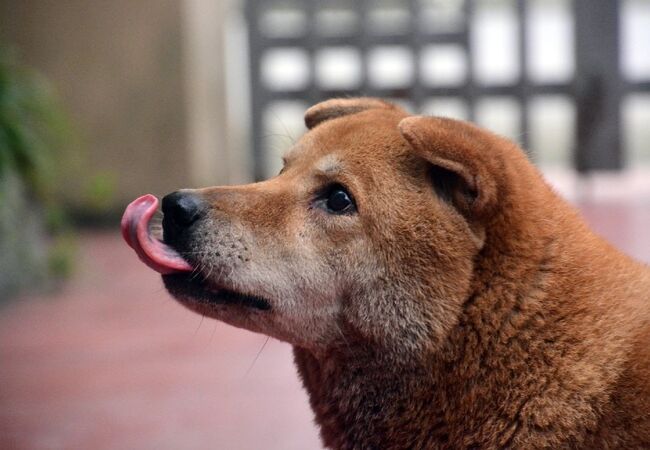
Have you ever caught your pup flicking its tongue at nothing, “licking the air”? In 2025, veterinarians understand this quirky behavior comes from various causes—some harmless, others concerning. Let’s dive into why dogs do it, how to distinguish normal from red‑flag licking, and what actionable steps you can take, guided by vet-approved advice.
1. Exploring Scents & the Vomeronasal Organ
One common and harmless reason is olfactory exploration. Licking air helps transfer scent to the Jacobson’s (vomeronasal) organ. Dogs may raise their head, flare nostrils, even show a “flehmen-like” response.
AKC’s Stephanie Gibeault notes dogs lick air when anticipating treats, pleasant activities, or savoring flavors like peanut butter.
2. Pleasure & Physical Comfort
Air licking often follows a delightful scratch or petting session. Dogs use it to express pleasure and self-soothe. It’s their way of relishing the moment.
3. Managing Heat or Thirst
Sometimes, it's about regulating body temperature or a dry mouth. Licking stimulates saliva production and helps with cooling.
4. Anxiety, Stress & Calming Signals
Dogs often lick the air when anxious—such as during vet visits, storms, or stressful situations. This behavior, combined with yawning or head turning, serves as a calming signal.
Reddit users have noted correspondence between air licking and nervousness or aging-induced anxiety.
5. Nausea & Digestive Upset
Stomach upset, nausea, acid reflux, or GI irritation often precede air‑licking. Dogs may lick their lips or air before vomiting or to soothe nausea.
If accompanied by vomiting, lethargy, diarrhea, loss of appetite, or abdominal pain—you should consult a vet.
6. Dental Pain or Foreign Objects
Pain in the mouth—from dental disease, abscesses, or lodged debris—may prompt air licking as an attempt to shift discomfort.
Sensations like tartar, broken teeth, or foreign pieces can drive this behavior—your vet should examine for dental needs.
7. Compulsive or Habitual Behaviors
Compulsive licking—where the pattern is repeated without physical triggers—may indicate a behavioral disorder, especially with anxiety or boredom.
Wag Walking adds that such behavior may accompany skin disorders and GI disease.
8. Seizures or Fly‑Biting Syndrome
“Air licking” may appear as part of a partial seizure or complex focal syndrome—sometimes called fly‑biting, where dogs lip‑smack, snap, or snap at air.
Episodes often include other signs: head jerks, facial twitching, glazed look. Veterinary neurologists may diagnose via EEG, MRI, and prescribe anticonvulsant medications.
9. Nasal Drip or Post-Nasal Discharge
Drainage from nasal or sinus issues may drip into the throat, leading dogs to lick air to clear it.
How to Spot Normal vs. Problem‑Driven Licking
- Occasional & Contextual: Licking air during pleasurable events or sniffing is normal.
- Combined with other body language: Yawning, head-turning, lip-licking—could signal anxiety or illness.
- Paired with other symptoms: Vomiting, diarrhea, drooling, lethargy, pawing mouth—indicates potential medical issue.
- Repetitive & compulsive: Frequent, contextless licking suggests behavioral or neurological concern.
Vet‑Recommended Steps for 2025
- Observe & log: Note timing, frequency, triggers, alongside other behaviors.
- Dental check: Rule out dental pain or foreign objects.
- GI assessment: For nausea, diet intolerance, or reflux.
- Stress support: Address anxiety triggers, calming routines, pheromones (Adaptil), mental enrichment.
- Neurological evaluation: For possible seizures or fly‑biting episodes—consider recording videos to share with your vet.
- Behavioral consultation: For compulsive patterns, a certified behaviorist may help.
- Monitor & review: Track changes and responses to interventions and vet treatment.
Reddit Insights
> “Usually a sign of … anxiety / nervousness. My dog used to always do this, and it got worse as he got older.” > “It could also be a sign of a health issue … cognitive dysfunction, etc. I would go to the vet …”
When to Worry & See Your Vet
- Licking is continuous or intrusive.
- Other symptoms appear—digestive, neurological, dental, behavioral.
- Behavior evolves or worsens.
Prompt veterinary assessment ensures timely intervention and peace of mind.
Ask A Vet, Woopf & Purrz Support 🧡
Need help tracking air-licking behaviors? Use the Ask A Vet app to log episodes, consult 24/7 with experts, and access tools like calming pheromone diffusers or enrichment toys via Woopf and Purrz.
2025 Owner Action Plan 📋
- 📸 Video and note when it happens.
- 🦷 Schedule a dental exam.
- 🩺 Monitor for nausea or digestive issues.
- 🧘♂️ Create calm environments, soothing routines.
- 🧠 Consult vet/neuro for possible seizure behavior.
- 📈 Use behaviorist if compulsive patterns appear.
- 📲 Track progress with the Ask A Vet app.
FAQs 💬
• My dog licks air with no other issues—is it okay?
Infrequent, context-linked licking is usually benign. If it’s persistent, see your vet.
• Will dental cleaning stop it?
If oral pain is the cause, dental treatment may resolve licking—but monitor afterward.
• Could this be fly‑biting syndrome?
Yes—it’s a neurological pattern related to seizures. Diagnosis requires neurologic evaluation.
• How can I reduce anxiety‑linked licking?
Use calming pheromones, routine, distraction during triggers, and behavior strategies.
Conclusion ❤️
Air licking in pups is multifaceted. In 2025, vets recognize it as scent exploration, pleasure, or, less often, medical or behavioral issue. Understanding the context, logging patterns, and seeking veterinary advice is vital. With the right steps and support from Ask A Vet, Woopf, and Purrz, you can ensure your dog stays healthy, happy, and understood. 🐾
Need help now? Visit AskAVet.com and download the Ask A Vet app for personalized guidance anytime.
