


Why Dogs Eat Dirt in 2025 – Vet-Approved Reasons & Solutions 🐶🌱
Dans cet article
Why Dogs Eat Dirt in 2025 – Vet‑Approved Reasons & Solutions 🐶🌱
By Dr. Duncan Houston BVSc
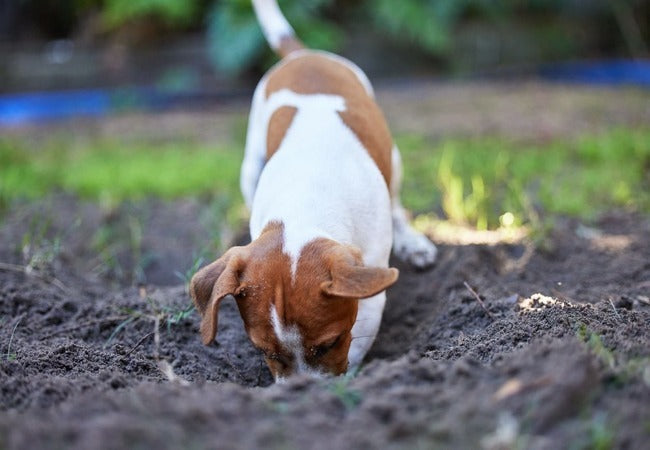
Noticed your dog munching on soil? In this 2025 vet‑supported guide, we’ll explore why dogs eat dirt—from pica to nutritional needs, boredom, and stomach upset—and share proven vet advice on how to address it safely using the Ask A Vet framework. Let’s get started! 🧠🐾
1. Geophagia: A Form of Pica
Eating non-food items (like dirt) is called pica, with the specific type for soil termed geophagia. It may be a one-off or a sign of compulsive behavior.
2. Nutritional or Mineral Deficiencies
Deficiencies in iron, calcium, zinc, or sodium can drive dirt-eating as dogs seek nutrients. Anemia is a common culprit. Always check diet quality and consider veterinary testing.
3. Digestive Upset & Upset Stomach
Like eating grass, dirt may help settle mild nausea by absorbing stomach acid. But frequent consumption means it’s time for a vet visit.
4. Behavioral: Boredom, Stress, or Anxiety
Puppies and unstimulated dogs may eat dirt out of curiosity or boredom. Stress or anxiety (e.g., separation anxiety) can also cause this habit.
5. Enjoyment of Taste or Scent
Some dogs simply like the smell or texture of certain soils—perhaps leftover food smells attract them.
6. Underlying Health Conditions
Geophagia may indicate deeper issues: anemia, liver shunts, parasites, gastritis—even pica secondary to disease.
❗ Health Risks of Eating Dirt
- Digestive blockage requiring surgery.
- Toxins from pesticides, fertilizers, or contaminated soil.
- Parasites like hookworms, roundworms, Giardia.
- Damage to teeth, mouth, or GI tract from sharp objects.
Signs to See Your Vet
If you notice:
- Frequent dirt eating
- Vomiting, diarrhea, lethargy
- Weight loss or inappetence
- Bloody stool or abdominal pain
Then schedule a visit for diagnostics—bloodwork, fecal testing, possibly imaging.
✅ Vet‑Backed Strategies to Stop Dirt‑Eating
- Rule out medical causes: Blood & fecal testing to check for anemia, parasites, GI disease.
- Improve nutrition: Feed high-quality, AAFCO- or WSAVA‑approved diets. Supplement per vet recommendations.
- Boost exercise and enrichment: Walks, play, puzzle toys reduce boredom/stress.
- Keep dogs supervised: On-leash in vulnerable areas or restrict access to dirt.
- Teach “leave it” or redirect: Offer a toy or treat when they go for dirt.
- Clean your environment: Block access to garden soil or indoor plant areas.
- Address stress: Use calming pheromones, secure zones, and, in some cases, anxiety treatments.
- Consult behaviorist: If dirt‑eating persists alongside other compulsive or anxiety behaviors.
🐶 Ask A Vet App Principles
Through the Ask A Vet app, you can:
- Upload videos showing dirt‑eating behaviors
- Get advice on diagnostic steps and diet quality
- Design exercise and training plans
- Coordinate with your vet to monitor changes
Empowering you with expert insight—from lab tests to behavior support—all within your reach. 📱❤️
🧩 Quick Reference Table
| Trigger | Signs | Action |
|---|---|---|
| Nutritional deficiency | Frequent dirt eating, pale gums | Diet review, bloodwork |
| GI upset | Occasional eating, gagging, licking lips | Digestive support, vet check |
| Boredom/anxiety | Digging, stress signs | Enrichment, training, calming aids |
| Parasites/medical | Vomiting, diarrhea, weight loss | Fecal tests, treat parasites |
❤️ Final Thoughts
While dogs eating dirt may seem odd, it often reflects an underlying need—nutritional, medical, or emotional. With veterinary guidance, quality nutrition, stimulation, and supportive training, this behavior can be addressed effectively. And remember—the Ask A Vet app is here to support you live, from initial concern to lasting resolution. 🐶🌿
Need personalized advice? Visit AskAVet.com or download the Ask A Vet app for 24/7 veterinary support.