


7 Common Bug Bites on Dogs: Vet‑Approved 2025 Guide to Identification & Care🩺🐶
Dans cet article
7 Common Bug Bites on Dogs: Vet‑Approved 2025 Guide to Identification & Care🩺🐶
By Dr. Duncan Houston BVSc
Bites and stings from everyday bugs can range from an itchy annoyance to a serious health concern. This vet‑approved guide helps you spot the 7 most common offenders—so you can treat them confidently and protect your pup. 🩺
1️⃣ Fleas
Tiny, jumping pests that leave flea dirt (black specks) on the skin—usually on the belly or groin. Cause intense itchiness, hot spots, and potentially transmit tapeworms.
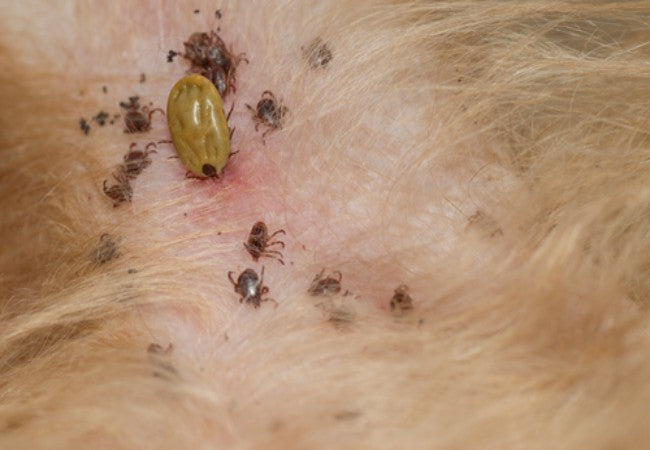
2️⃣ Ticks
Attach and feed—look like small brown dots, often on head, ears, groin. Transmit Lyme, ehrlichiosis, tick paralysis. Remove carefully with tweezers and test if illness is suspected.
3️⃣ Mosquitoes
Small raised welts, itchy and red, sometimes hives. Can transmit heartworm. Most bites resolve quickly, but persistent swelling or infection needs vet care.
4️⃣ Black Flies/Horse Flies
Bite in open areas (belly, thighs, ears); cause bullseye‑type rash, scabs, itchy red welts. Typically harmless, but allergic reactions are rare—watch for hives, swelling.
5️⃣ Bees, Wasps, Hornets
Stings cause immediate swelling, redness—often at paws, face. Can trigger anaphylaxis: facial swelling, vomiting, collapse—seek emergency care if this occurs.
6️⃣ Spiders
Bites are usually mild but bites from brown recluse or black widow cause severe local lesions, pain, weakness, vomiting, paralysis. Treat as urgent.
7️⃣ Ants (including Fire Ants)
Multiple red, painful stings—often on paws or belly. Can cause allergic swelling or breathing difficulty. Use cool compresses, Benadryl, or seek vet if severe.
📋 Symptoms to Watch For
- Localized: itchiness, redness, swelling, bump or welt
- Systemic: hives, lethargy, vomiting, difficulty breathing
- Ticks: tick still attached, fever, lame, swollen joints
- Spider sting: blister, necrosis, weakness
🛠️ Treatment & First Aid
- Gently clean the area with mild soap and cool water
- Apply a cool compress or ice pack
- Remove ticks fully with tweezers; save for testing
- Use vet-recommended antihistamines (e.g., Benadryl) and hydrocortisone if appropriate
- Watch for infection; vet care for systemic symptoms or severe swelling
🛡️ Prevention Tips
- Year-round flea & tick preventives (topicals, collars, oral meds)
- Heartworm meds also help reduce mosquito risks
- Keep lawns mowed; avoid known nests or hives
- Use pet-safe insect repellents containing permethrin or essential oils like cedar, catnip—not DEET
- Check your dog after outdoor time and wash off bugs
🔍 When to Call the Vet
- Signs of tick-borne illness (fever, lameness, lethargy)
- Anaphylaxis (swelling, vomiting, collapse, hives)
- Tick remains attached
- Spider bite with local necrosis or systemic signs
🔍 Final Thoughts
Bug bites are common but often minor. Swift identification, proper first aid, and preventive care—including flea/tick meds and safe repellents—will keep your dog safe in 2025 and beyond. For worrying reactions, always reach out to your vet. 🐾❤️
For personalized advice or treatment guidance, download the Ask A Vet app for 24/7 expert support. 📱🐶


