


A Vet’s Guide to Why Dogs Wag Their Tails 2025 🐕💬
Dans cet article
A Vet’s Guide to Why Dogs Wag Their Tails 2025 🐕💬
By Dr. Duncan Houston BVSc
Hello, I’m Dr Duncan Houston BVSc, veterinarian and founder of Ask A Vet. Tail wagging is one of the most recognizable—and most misunderstood—aspects of dog behavior. A wagging tail doesn’t always mean the dog is happy—it could signal nervousness, dominance, fear, or excitement. In this vet‑approved guide, we’ll explore why dogs wag, how to read direction, position, and speed, what each variation means, and how you can respond for a safer, healthier bond in 2025. 🩺🐾
1. Why Dogs Wag Their Tails
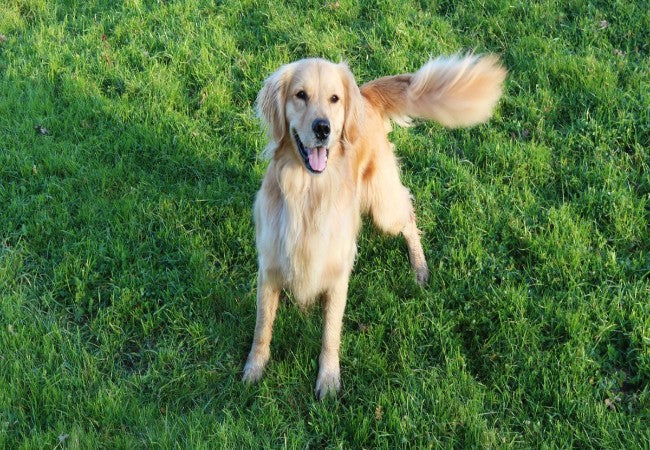
Tail wags function as a vital communication tool—part visual, part chemical, deeply social. Dogs convey inner emotions by shifting their tail’s position, speed, and direction. That wag you see? It's their way of “talking.”
2. Tail Position & Emotional Context
- High & stiff wag: alert, possibly dominant or aggressive
- High & loose wag: confident, positive engagement
- Neutral/mid-level wag: relaxed or attentive
- Low & slow wag: insecure, unsure, or possibly unwell
- Tucked between legs: fear, submission or stress
3. Speed of Wag & Meaning
- Fast & wide wag: high excitement, often friendly greeting
- Slow wag: uncertainty or potential conflict—slow = caution
- Helicopter wag (circular): extreme joy or happiness
4. Direction Matters—Right or Left?
Research shows a tail wag bias can indicate emotional valence:
- Right-biased wag: Positive emotions—owner, happy greeting
- Left-biased wag: Negative emotions—anxiety, threat, withdrawal
These biases reflect brain lateralization—dogs wag right when approaching positively, left when uncertain or afraid.
5. Chemical Communication Through Wagging
Wagging helps disperse scent from the violet gland and anal areas—rich in pheromones—female dogs and wolves did this in wild communication. Specifically, a relaxed wag often spreads friendly scent, while tucked or low wag keeps scent close.
6. Reading Tail Wags in Overall Body Language
Tail position must be interpreted alongside posture, ears, mouth, eyes, and vocalizations to assess intent :
- Tail high + stiff, ears forward, hard stare = potential threat
- Loose wag + relaxed mouth + soft eyes = friendly or playful
- Tail low + tucked + cowering posture = fear/submission
- Mid-wag + alert body + forward lean = cautious interest
Always look at the whole dog—not just the tail—to avoid misinterpretation.
7. Why Tail Wags Vary by Breed or Docking
Breed differences in tail length and carriage affect wag visibility and meaning. Docked tails limit expression—other body cues become more important to read.
8. Human Influence & Evolutionary Adaptation
Wagging became more pronounced in dogs than wolves during domestication, possibly because humans responded to rhythmic tail movements—and selection favored friendlier, communicative individuals.
9. Safe Interactions Based on Tail Language
- ➡️ Friendly wag, body relaxed = safe for greeting
- ⬇️ Slow/low wag + tense body = approach cautiously
- ⚠️ High and stiff wag + direct stare = avoid interaction
- 😨 Tucked tail = provide space, don’t force petting
10. Tools & Support for Behavior Monitoring
- Ask A Vet App: Upload a short video of your dog’s wag—vets can advise on anxiety, aggression, or communication cues
11. Case Study: Rex Learns New Signals
Case: Rex, a 4-year-old German Shepherd
Rex loved greeting visitors with a high, fast wag—initially interpreted as friendly. But his body stiffened when strangers leaned over him. After a telehealth session via Ask A Vet, his owners learned to read the stiff high tail as discomfort.feeders helped redirect his energy into focused play—reducing over-wagging and improving visitor comfort.
12. Tips to Improve Communication with Your Dog
- 🧐 Always assess tail-wag in context with the entire body language
- 📹 Record wags and share via Ask A Vet for personalized feedback
- ✅ Use enrichment tools when wags signal overstimulation or stress
- 🤝 Teach calm approach or cue (e.g., sit) before petting; reward relaxed tail wag
📌 Final Thoughts from a Vet
Tail wagging is a powerful and nuanced form of dog communication—far more than a sign of happiness. By observing position, speed, direction, and accompanying body cues, you can better interpret your dog’s feelings—from joy and confidence to fear or aggression. Using telehealth support through Ask A Vet, you can strengthen trust, reduce stress, and safely respond to your dog’s emotional messages. Here’s to using tail wags as a deeper language of canine connection! 🐾❤️


