


Best Recovery Collars & Cones for Dogs 2025: Vet Approved Comfort & Healing Tools 🐾
Dans cet article
Best Recovery Collars & Cones for Dogs 2025: Vet Approved Comfort & Healing Tools 🐾
By Dr. Duncan Houston BVSc
🛡️ Why You Need a Recovery Collar
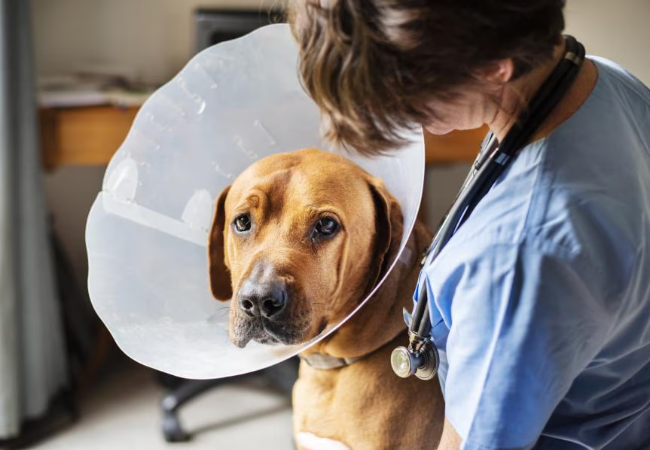
Recovery collars—or Elizabethan collars (“e‑collars”)—prevent dogs from licking, chewing, or scratching wounds, stitches, or irritated skin, which can delay healing, introduce infection, or cause self-trauma.
🌟 Types of Recovery Collars & Suits
1. Soft Fabric Cones
- Padded with foam-backed nylon, flexible edge lets dogs knock things without pain.
- Collapses slightly for eating or lying comfortably yet still blocks neck access.
- Best choice for calm, indoor dogs not prone to super-agile escape attempts.
2. Inflatable “Donut” Collars
- Resemble travel neck pillows—don’t block vision and allow easy eating/drinking.
- Comfortable for side-sleepers and less bumping—but may not protect paws or hindquarters.
- Recommend when dogs struggle with hard or soft cones and wounds are around the neck or upper body.
3. Traditional Hard Plastic Cones
- The gold standard for access prevention—rigid barrier blocks full reach to most injuries.
- Visibility options: clear cones preserve peripheral vision; opaque cones reduce anxiety in noise-sensitive dogs.
- Vital for aggressive chewers, paw licking, or tail/hip injuries.
4. Full-Body Recovery Suits & Sleeves
- Wrap surgical sites with lightweight fabric—good for skin irritation, hot spots, or post-spay neater care.
- Prevents licking while allowing complete freedom of movement.
- Combine with a collar if collar chewing occurs.
🧭 Choosing the Right Option
Your dog's size, energy, wound location, and personality determine the best recovery tool:
- Energy level: Inflatable or soft cones for low‑energy dogs; hard cones for escape artists.
- Wound location: Paws/tail/hindquarters often need hard cones; neck/chest wounds may suit donuts or suits.
- Comfort vs. protection: Soft cones and suits ease stress but may provide less coverage. Hard cones offer reliable protection.
- Dog temperament: Anxious or noise-sensitive pups may benefit from opaque or soft cones.
- Eat & drink: Inflatable collars facilitate meals; hard cones may need elevated bowls or timed removals.
✅ Fit & Comfort Tips
- Ensure snug neck fit (two fingers fit but collar doesn’t shift).
- Edges should be smooth or padded to avoid rubbing neck skin.
- Regularly check tension; adjust if loosens or causes chafing.
- Introduce collar before injury or surgery—supervise first 15 minutes for stress signs.
🕒 Wear Time & Daily Care
- Keep collar on 24/7 until vet clears—removing early risks reinjury.
- Provide breaks during meals, supervised play, grooming.
- Clean collars regularly—soft/ inflatable with soap and water; plastic with vet-recommended disinfectant.
- Ensure dogs can navigate stairs and rest comfortably— consider padded bedding or elevated bowl stands.
⏱️ Wear Duration
Typical collar needed for 7–14 days. Deep wounds, bite repairs, or major surgeries may require 3–4 weeks of protection—always follow your vet’s directions.
🐾 Real-Life Tips—From Vets & Pet Owners
> “Comfy Cone… collapses inward when your dog lays down… enough rigidity to keep them from getting at stitches.”
> “Get a surgical suit, much better than a cone.” —reddit user recommending inflatable collars and suits
📦 Top Dog Recovery Products for 2025
- Comfy Cone (soft cone): Vet-favorite for comfort and water resistance; collapses for resting.
- ZenPet ZenCone: Soft and flexible with visibility windows—Canadian design vet-approved.
- KONG Cloud Collar: Durable inflatable donut with high user reviews—non-blocking and washable.
- Calm Paws Calming E‑Collar: Traditional plastic cone infused with calming essential oils.
🗂️ Dr Houston’s Recovery Collar Checklist
- ✔️ Choose collar by wound location, activity level, comfort
- ✔️ Fit collar properly—snug, soft edges, no rubbing
- ✔️ Introduce collar calmly before use
- ✔️ Provide supervised breaks for eating and interaction
- ✔️ Clean and check collar daily
- ✔️ Use suits for skin issues; add collar if needed
- ✔️ Follow vet advice on wear duration and replacement
🌟 Final Thoughts
Choosing the right recovery collar helps your dog heal with less stress—while ensuring wounds stay clean and untouched. Comfort options like soft cones and inflatable collars increase compliance, but traditional plastic cones remain the most protective. Full-body suits are ideal for skin conditions. Combine proper fit, gradual introduction, and daily care to support healing smoothly and safely. 🐾❤️
Need personalized recovery collar advice or fit guidance? Visit AskAVet.com or download the Ask A Vet app—your 24/7 recovery support for your dog. 📱🐶


