


Can Dogs Feel Embarrassed? Vet‑Approved Insights for 2025 🩺🐶
Dans cet article
Can Dogs Feel Embarrassed? Vet‑Approved Insights for 2025 🩺🐶
By Dr. Duncan Houston BVSc
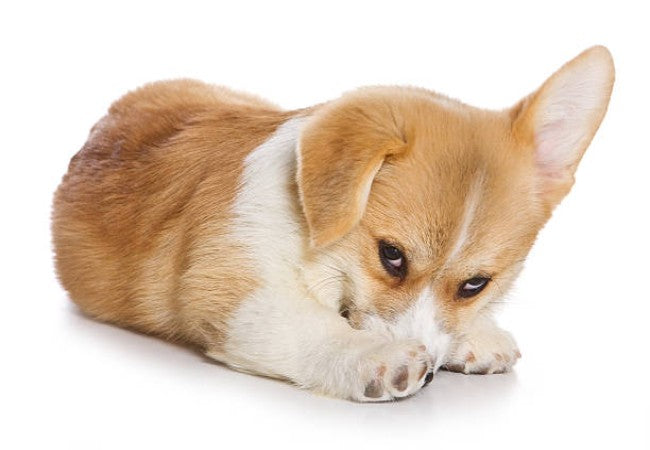
Ever caught your pup slinking away after tipping something over, and thought, “They look *so embarrassed*”? In truth, dogs don’t experience embarrassment like humans do—but they do show stress or appeasement through body language called calming signals. Let's explore what’s really going on.🩺
🧠 Dogs vs Humans: What Is Embarrassment?
Embarrassment in people comes from social norms, self-awareness, and fear of judgment. Dogs don’t understand those complex social rules, nor do they reflect on past actions as "wrong". So when they look “ashamed,” it’s really a reaction to your tone or body language—not regret over a mistake.
🔎 Signs Often Mistaken for Embarrassment
- 🐾 Ears pinned or tail tucked
(not because they feel shame, but to avoid conflict) - 😔 Bowed head, soft or “sad” eyes
- 😬 Avoiding eye contact or slinking away
- 😥 Yawning, lip-licking, or shying away
These are all part of calming signals—a dog's way to calm themselves or show you they’re not a threat.
🐶 What Your Dog Might Be Saying
- “I’m stressed”— yawning, pacing, or shying away
- “Please don’t be upset”— soft eyes, head-turn, tucked posture
- Not embarrassment, but appeasement: your dog doesn’t feel guilt—they just want to smooth things over
🤝 How to Respond Vet‑Approved Style
- Stay calm: Speak softly, avoid harsh tones or reprimands
- Ignore the behavior: Refrain from overtly reacting to 'cute shame,' which can reinforce it
- Reassure gently: Offer relaxed eye contact, belly rubs, or treats when safe
- Focus on prevention: Manage temptations (e.g. secure trash cans) so there’s less cause for uneasy moments
- Learn more: Study canine body language to understand their signals better.
📊 Quick Calm-Signal Guide
| Behavior | Meaning | Your Action |
|---|---|---|
| Yawning/Lip-licking | Self‑soothing | Pause & mellow tone |
| Tucked tail/head down | Appeasement | No punishment—stay neutral |
| Avoiding eye contact | Stress or uncertainty | Offer calm presence, let them approach |
| Pacing/hiding | Anxiety] | Remove stressor, create safe space |
🔍 Final Thoughts
While dogs don’t feel embarrassment in our human sense, their calming signals are meaningful—they communicate stress, uncertainty, and a desire for reassurance. By reading their cues and responding with calm, supportive behavior, you’ll deepen trust and emotional connection in 2025 and beyond. 🐾❤️
Want help understanding your dog’s emotions or easing their stress? Download the Ask A Vet app for expert guidance anytime. 📱🐕


