


Canine Enamel Malformation in 2025 Vet Guide: Causes, Care & Protection 🦷🐶
Dans cet article
Canine Enamel Malformation in 2025 Vet Guide: Causes, Care & Protection 🦷🐶
By Dr. Duncan Houston BVSc
Hello, attentive pet parents! I’m Dr Duncan Houston BVSc. In this 2025 veterinary update, we’re exploring enamel malformation in dogs—when tooth enamel develops with pits, discoloration, or thinning. Here’s a full overview—from what causes it to treatment, home care, and tools from Ask A Vet to support your pup’s dental health 😊.
1. What Is Enamel Malformation?
Enamel malformation (also called enamel hypoplasia or hypocalcification) occurs when the enamel fails to develop properly—resulting in rough, pitted, or thin teeth that may be stained or sensitive.
Dogs may have isolated affected teeth or generalized enamel defects across the mouth.
2. Causes & Risk Factors 🧬
Enamel develops between about 2 weeks and 3 months of age. Anything disrupting ameloblasts during this period may cause enamel defects:
- Systemic issues: high fever or infection (like canine distemper), malnutrition, metabolic problems, or toxin exposure.
- Local trauma: injury to baby teeth or jaw trauma near developing permanent teeth.
- Genetic conditions: rare disorders similar to amelogenesis imperfecta (seen in humans and mice) affecting enamel development at a cellular level.
3. Recognizing the Signs 🩺
Signs of enamel malformation include:
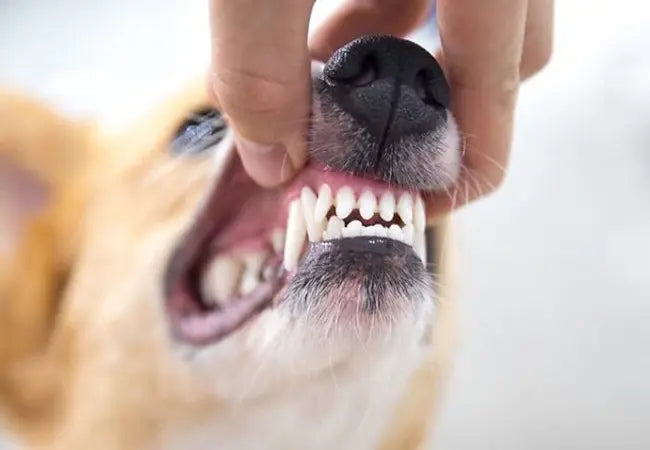
- Pitting, grooves, or rough enamel surfaces.
- Discoloration—yellow, brown, or tan areas where enamel is thin.
- Increased plaque and tartar due to rough enamel.
- Tooth sensitivity or reluctance to chew certain foods.
- Accelerated gum disease due to plaque accumulation.
4. Diagnostic Approach 🔎
- Physical/Oral Exam: Vet inspects teeth and looks for discoloration, pits, rough spots.
- Dental X‑rays: Assess root structure and pulp health—defective enamel may coincide with abnormal roots.
- Clinical history review: Puppy illness, shock, or trauma during early development.
5. Treatment Options 🦷
Intervention depends on enamel defect severity and whether pulp is exposed:
a) Sealants & Composite Restoration
For mild-to-moderate enamel defects without pulp involvement:
- Clean and smooth rough enamel by ultrasonic scaling.
- Apply dentin bonding agents and composite or resin to seal and smooth surfaces.
- Use fluoride varnishes to aid enamel remineralization.
b) Crowns
For critical functional teeth (canines, carnassials) or deeper defects:
- Apply metal or ceramic crowns to restore form and protect underlying dentin.
- Crowns help prevent fracture and slow wear.
c) Root Canal or Extraction
If enamel defect leads to pulp exposure (infection, abscess, pain):
- Root canal therapy to preserve tooth.
- Extraction if tooth is non-restorable.
6. Home & Ongoing Care 💚
- Daily brushing to manage plaque.
- Vet-approved dental chews and water additives to reduce tartar.
- Frequent professional dental cleanings (every 6–18 months).
- Monitor for wear, fractures, or discoloration.
- Nutrition: soft diet if sensitivity is present.
7. Prognosis & Long-Term Outlook
With timely treatment:
- Minor defects: excellent prognosis with sealants/composite—teeth can remain functional for life.
- Crowned teeth: robust protection, low complication risk.
- Root canal: excellent function post-treatment.
- Unaddressed cases: higher risk of sensitivity, fracture, gum disease, and tooth loss.
8. How Ask A Vet Support You 🛠️
- Ask A Vet: 24/7 guidance for early signs, medication trimming, and deciding if specialist referral is needed.
9. Prevention Strategies 🛡️
- Ensure timely puppy vaccinations to prevent febrile illness (e.g., distemper).
- Monitor for fevers and seek early vet care.
- Avoid trauma during puppyhood—supervise play and chew sessions.
- Proper nutrition: balanced puppy diet avoids nutritional deficiencies.
- Early dental exams at puppy visits to catch enamel issues early.
10. Emotional Support for You & Your Pup ❤️
Dental issues can be stressful—for both of you! Ask A Vet offers emotional support during decisions and care stages, while deliver the tools to make daily care smoother. Connect with online support groups—sharing experiences reduces stress. You're not alone in this journey 💗.
11. Final Thoughts
Enamel malformation in dogs is more than cosmetic—it affects comfort, function, and long-term dental health. With early diagnosis (exam and X‑rays), tailored restorative efforts (sealants, composites, crowns), and consistent home care, most dogs lead healthy, pain-free lives. Grease the wheels with expert help from Ask A Vet, so your pup's smile stays bright and functional 🌟.
— Dr Duncan Houston BVSc
For continued guidance, visit AskAVet.com and download the Ask A Vet app today!