


Do Dogs Smile? Vet Approved Guide to the Science Behind Canine Expressions (2025)🏊♂️🐶
Dans cet article
Do Dogs Smile? Vet Approved Guide to the Science Behind Canine Expressions (2025)🏊♂️🐶
By Dr. Duncan Houston BVSc
That wide, toothy grin. The relaxed tongue. The sparkling eyes. Dog lovers around the world swear their pups “smile”—but is that really what’s going on? Do dogs smile like humans, or are we just projecting our own emotions onto their expressions? 🐶
As a veterinarian and behavior expert, I can tell you that the answer is both fascinating and heartwarming. This guide explores the science behind canine smiles, what they really mean, and how to support emotional wellness with Ask A Vet,. 🧠
🧠 What Is a “Smile” in Canine Terms?
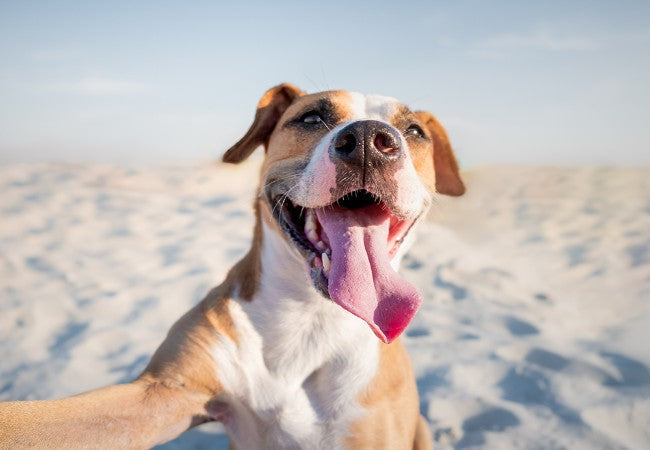
While dogs don’t “smile” for selfies, they do make facial expressions that closely mimic human smiles—especially when they’re feeling relaxed, joyful, or engaged. These expressions are part of their body language and emotional communication. 😄
Common “Smiling” Signs in Dogs:
- 🐾 Relaxed open mouth (slightly parted lips, visible teeth)
- 👅 Loose, lolling tongue
- 👁️ Soft, blinking or squinty eyes
- 🧠 Loose body posture with a gently wagging tail
These aren’t just random movements—they’re part of a whole-body signal that your dog feels safe and happy. 🐶💛
📚 The Science Behind Dog Smiles
Modern research confirms that dogs use facial muscles similarly to humans in social settings. In fact, studies show dogs are more likely to “smile” when interacting with humans than with other dogs. 📖
Key Findings:
- 🧬 Dogs evolved alongside humans—facial mimicry may aid bonding
- 🧠 Dogs recognize and respond to human facial cues
- 📷 Positive reinforcement increases facial expressiveness
This makes smiling not just a reflex, but a social behavior shaped by domestication. 🧬
😬 But Not All Smiles Are Happy
Sometimes dogs show their teeth or lift their lips in a way that looks like a smile—but actually signals discomfort, anxiety, or even aggression. It’s called a submissive grin or stress smile. ⚠️
Signs It’s a Stress Smile:
- 😳 Ears pinned back
- 😬 Lip licking, yawning, or averting eyes
- 💨 Tense body or low posture
If you’re unsure whether your dog is happy or stressed, contact Ask A Vet for behavior clarification. 📱
🎯 How to Encourage a Happy “Smile”
1. 🐾 Focus on Positive Body Language
- ✅ Look for tail wagging at mid-height, soft eyes, and floppy ears
- 🛑 Avoid interpreting bared teeth or stiff grins as true smiles
📸 Do Dogs “Smile” for Cameras?
Many dogs appear to grin when you pull out a camera—but often, it’s the anticipation of treats or attention that creates a happy expression. 📷
If your dog dislikes photos, respect their comfort zone—and never force facial poses. 🧡
📱 When to Ask A Vet
- 📉 If your dog “smiles” but shows signs of stress (yawning, shaking, lip licking)
- 🧠 If facial expressions change with age, illness, or pain
- 📋 For advice on confidence-building and enrichment routines
✅ Final Thoughts: Your Dog’s Smile Is More Than Just Cute
Whether it’s a relaxed tongue-out grin or a gentle tail wag with sparkly eyes, dogs have their own way of smiling—and they do it most when they feel safe, loved, and enriched. With help from Ask A Vet, you can create a life full of wag-worthy moments. 🐶💛
Quick Recap:
- 😄 Dogs do “smile”—it’s a sign of emotional wellbeing
- 📱 Use Ask A Vet to decode behavior or rule out pain
Want to see more real smiles? Start today with enrichment from, stress relief from, or expert help from AskAVet.com. 🐾