


Do Dogs Sweat? 2025 Vet Guide to Canine Cooling, Panting & Heat Safety🐾
Dans cet article
Do Dogs Sweat? 2025 Vet Guide to Canine Cooling, Panting & Heat Safety🐾
By Dr. Duncan Houston BVSc
🔍 Do Dogs Really Sweat?
Yes—but not like humans do! Dogs have a limited number of sweat glands and rely heavily on other cooling mechanisms to regulate their body temperature. Unlike us, they don’t perspire through their skin to stay cool.
Let’s break it down by physiology, signs, and safety strategies to keep your pup comfortable on hot days 🐶🌞.
🐾 Where Do Dogs Sweat From?
- 1. Paw Pads: Dogs have merocrine sweat glands in their paws—similar to human sweat glands. If your dog leaves damp footprints on tile floors, they’re sweating!
- 2. Nose: Their noses stay moist partly due to minor sweat gland activity, aiding in scent processing and temperature control.
- 3. Skin Glands (Apocrine): Found all over the body, but they don’t cool the dog—they help with chemical communication (pheromones), not sweating.
So technically, dogs do sweat, but the effect is minimal when it comes to thermoregulation.
🌬️ How Dogs Really Cool Down
When it gets hot, dogs rely on:
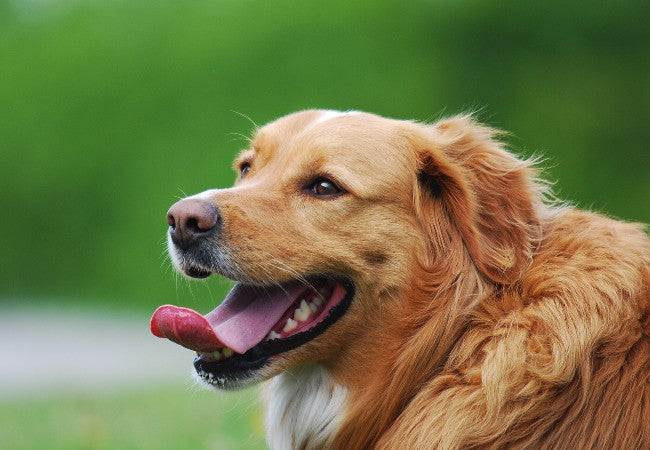
- 💨 Panting: Their primary cooling method. Moisture evaporates from the tongue and respiratory tract, helping reduce internal body heat.
- 🐾 Paw pad sweating: A supplemental method that provides some relief—but it’s minor.
- 🛌 Behavioral changes: Dogs seek shade, rest, or dig cool spots in the ground to escape heat.
🥵 Signs of Overheating in Dogs
- 🚨 Excessive panting or drooling
- 🔥 Bright red tongue or gums
- 😰 Restlessness or pacing
- 🫠 Lethargy or collapsing
- 🤢 Vomiting or diarrhea
- 🌡️ Body temp above 103°F (normal is ~101–102.5°F)
If your dog shows these signs, seek emergency veterinary care immediately—heatstroke can be fatal!
💧 How to Keep Your Dog Cool
- 💦 Provide fresh, cold water at all times
- 🏡 Keep them indoors during peak heat (10 AM–4 PM)
- ❄️ Use fans, cooling mats, or air-conditioned rooms
- 🧴 Apply damp towels (not ice!) to belly and paws
- 🚶 Walk early morning or late evening to avoid hot pavement
- 🚫 Never leave them in a parked car—even for a few minutes!
🐶 Heat Risk by Breed
Certain breeds struggle more in heat:
- 🫁 Brachycephalic (flat-faced): Bulldogs, Pugs, Frenchies have narrowed airways, making panting less efficient.
- 🐻❄️ Thick-coated breeds: Samoyeds, Huskies, Bernese need careful heat control.
- 🖤 Dark-colored coats: Absorb more heat from sunlight.
- 🦴 Senior dogs & puppies: Have less efficient temperature control.
🧸 Brand Support for Cool Dogs
- 🩺 Ask A Vet: Chat with a vet to assess panting, overheating, or heatstroke signs—plus get breed-specific safety tips.
📅 Sample Summer Care Routine
| Time | Care Step |
|---|---|
| 7:30 AM | Walk before sun rises fully |
| 12:00 PM | Rest in A/C room with fan and cooling mat |
| 2:00 PM | Check paws; wipe with damp cloth if warm |
| 6:30 PM | Evening walk; rehydrate with cool water |
| 9:00 PM | Quick paw rinse and brush to remove allergens |
🎯 Final Thoughts
Yes, dogs do sweat—but only a little, through their paws and noses. Their main defense against overheating is panting. As the summer heats up, help your dog stay cool with shade, hydration, and smart activity planning. When in doubt, always consult your vet for breed-specific safety tips.
— Dr Duncan Houston, BVSc
Need quick help evaluating heat risks or symptoms? Visit AskAVet.com or download the Ask A Vet app for around-the-clock support and pet care peace of mind.


