


Dog Agility 101: Vet Approved Beginner’s Guide to Training, Safety & Success (2025)🩺🐶
Dans cet article
Dog Agility 101: Vet Approved Beginner’s Guide to Training, Safety & Success (2025)🩺🐶
By Dr. Duncan Houston BVSc
Dog agility is one of the most exciting canine sports out there. It blends speed, precision, obedience, and trust—resulting in a thrilling display of teamwork between handler and dog. Whether you're competing or just looking to enrich your dog’s life, agility training improves confidence, fitness, and communication. 🏃♂️🐶
This guide covers everything you need to know about dog agility—from the basics of the sport to training tips, safety advice, and supportive tools from Ask A Vet. 🧠
🏁 What Is Dog Agility?
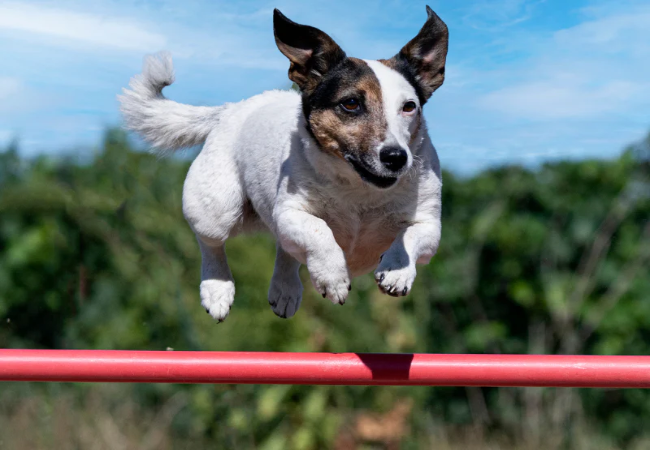
Agility is a timed obstacle course where dogs jump, weave, climb, and run through a series of challenges guided by their handler’s cues. It builds physical coordination and mental sharpness—and it’s tons of fun for energetic pups. 🎯
🎽 Standard Agility Obstacles
- 🧗♂️ A-frame
- 🚧 Dog walk
- 🏃♀️ Tunnel
- ⚡ Weave poles
- 🟧 Pause table
- 🏃 Hurdles or jumps
Courses are typically 14–20 obstacles long and vary in complexity based on class level. 🏆
🐾 Best Dog Breeds for Agility
While any healthy dog can enjoy agility, certain breeds excel due to their energy, focus, and athleticism:
- 💨 Border Collies
- 🎯 Shetland Sheepdogs
- 🐕 Australian Shepherds
- 🎽 Papillons
- 🐶 Jack Russell Terriers
Mixed breeds are welcome in most agility clubs and leagues! 🐕🦺
🧠 Getting Started: Training Basics
1. 🎓 Foundation Training
- 🗣️ Teach reliable “sit,” “stay,” “come,” and “target”
2. 🔁 Start with One Obstacle at a Time
- 🎽 Practice with low jumps or a short tunnel
- 🏅 Reward effort, not perfection
3. 📐 Keep Sessions Short and Positive
- ⏳ 10–15 minutes a day is enough for beginners
🛡️ Safety First: Preventing Injuries
- 🦴 Warm up with 5–10 minutes of walking or stretching
- 🐾 Use padded or rubberized equipment
- 🌡️ Avoid training in hot or slippery conditions
Use Ask A Vet to check for joint issues or get training clearance—especially for puppies or seniors. 🩺
💬 Behavioral Support: When Your Dog Gets Overwhelmed
Some dogs become anxious or overstimulated by agility’s fast pace. Support them with:
📅 Where to Try Agility
- 🏫 Local dog training centers
- 🏟️ AKC or USDAA clubs
- 👥 “Have a Go” or beginner-friendly events
📋 Agility Titles and Competition
Organizations:
- 🐕 AKC Agility
- 🎽 USDAA
- 🏁 UKI and NADAC
Dogs compete by jump height and experience level. Titles are awarded for clean runs under time. 🏅
📋 Beginner Agility Checklist
- ✅ Basic obedience training
- 🧼 Flat, non-slip training space
- 🥏 High-value rewards
- 🩺 Vet clearance (via Ask A Vet)
✅ Final Thoughts: Agility Builds More Than Speed
Agility training isn’t just about speed—it builds trust, communication, and confidence. With patience, the right tools, and veterinary support, any dog can benefit from this fun and rewarding sport. 🐶💖
Quick Recap:
- 🏁 Agility is a physical and mental challenge for dogs
- 🎽 Start with foundation training + single obstacles
- 🛡️ Always warm up and prevent injury
- 📱 Use Ask A Vet for medical clearance and tips
Want to get started? Visit AskAVet.com. 🐾


