


Dog Anal Glands: Vet‑Approved Guide to Function, Issues & Care for 2025 🩺🐶
Dans cet article
Dog Anal Glands: Vet‑Approved Guide to Function, Issues & Care for 2025 🩺🐶
By Dr. Duncan Houston BVSc
Anal glands (also called anal sacs) are small pouches located at the 4 o’clock and 8 o’clock positions just under your dog’s anus. They release a strong-smelling fluid during bowel movements or when your dog is nervous—used for scent marking and communication.
⚙️ 1. How Anal Glands Normally Work
- Each gland is about the size of a pea to grape, opening into small ducts near the anus.
- They naturally empty when stool presses on them during defecation—or when your dog feels excited or fearful.
🚩 2. Common Anal Gland Problems
- Impaction: Glands fail to empty and become clogged, swollen, or painful.
- Anal sacculitis/infection: Bacterial overgrowth leads to inflammation, redness, and discomfort.
- Abscess or rupture: Severe infections can form pockets of pus, causing swelling, pain, and discharge.
- Rarely, cancer: Anal sac adenocarcinoma is malignant and usually seen in older dogs; early veterinary diagnosis is critical.
👀 3. Signs to Watch For
- Scooting their bottom across the floor.
- Frequent licking or biting around the anus.
- Pain when sitting or visible discomfort during bowel movements.
- Fishy or foul odor, reddish or dark brown discharge.
- Swelling, warmth, or redness around the rear or tailbase.
🩺 4. Diagnosis & Treatment
Vets diagnose issues using a physical or rectal exam, possibly collecting fluid samples to evaluate for infection, inflammation, or cancer. Treatment includes:
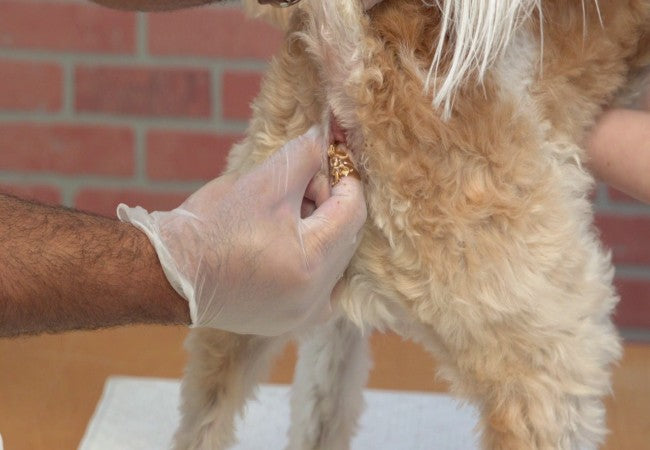
- Manual expression of impacted glands;
- Flushing and antibiotics or anti‑inflammatory medications for infections/abscesses ;
- Drainage and intensive care for abscesses;
- Surgical removal and/or further diagnostics in cases of cancer.
🛡️ 5. Prevention & Home Care
- High-fiber diet: Adds bulk to stool—supports natural gland expression. Consider supplementation like canned pumpkin, green beans, or fiber-rich foods.
- Maintain healthy weight & activity: Prevents obesity, which can block natural gland function.
- Hydration: Ensures stool consistency for gland emptying.
- Probiotic/digestive support: Can aid stool quality and gland health.
- Avoid over-expression: Only express glands when truly needed, per vet guidance.
📅 6. Frequency of Veterinary Check-Ups
Regular back-end checks (every 6 months or during wellness visits) help detect issues early, especially for breeds prone to gland problems.
🔍 7. When to See the Vet Immediately
- Persistent scooting, swelling, pain, or discharge
- Fever, lethargy, or signs of infection
- Suspected abscess or gland rupture (obvious swelling/drainage)
- Recurrent issues despite diet and care—may need further diagnostics
🔍 Final Thoughts
Proper anal gland care is about balance. Most dogs only need occasional vet check-ups and support with diet and hydration. Intervene manually only under medical guidance. With early detection, healthy stools, and routine monitoring, you can help prevent painful complications and ensure your dog’s comfort in 2025 and beyond. 🐾❤️
Need help assessing symptoms, diet planning, or choosing supplements? Download the Ask A Vet app for instant guidance from a certified veterinarian. 📱🐶


