


Healthy vs Unhealthy Dog Gums: A Vet’s Complete Guide (2025) 🦷🐶
Dans cet article
Healthy vs Unhealthy Dog Gums: A Vet’s Complete Guide (2025) 🦷🐶
By Dr. Duncan Houston BVSc
Hello—I’m Dr Duncan Houston BVSc, veterinarian and Ask A Vet founder. Your dog’s gums offer vital clues about their health. In this vet‑approved guide, you’ll learn:
- ✅ What healthy dog gums look and feel like
- ⚠️ Warning signs to watch for
- 🦠 Common gum conditions
- 🧼 Prevention and home care
1. Healthy Dog Gums 🟩
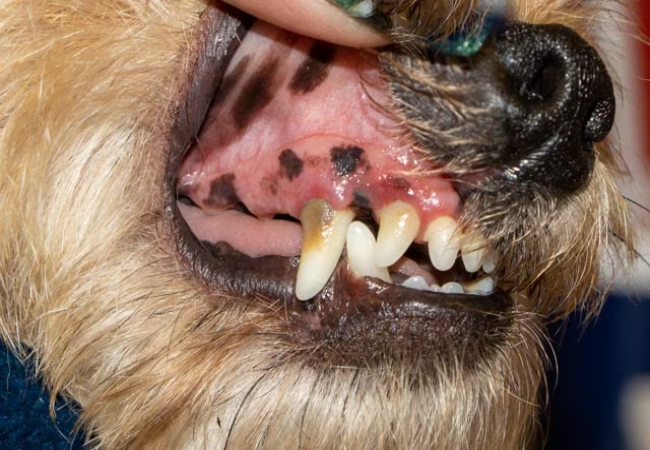
Normal gums are bubble‑gum or salmon‑pink, moist, smooth, and firm. Some breeds—for instance, Labradors or Dalmatians—may have pigmented or spotted gums, which is still normal if the texture and hydration are good.
Check capillary refill time (CRT): press gently on a gum spot until it blanches white, then release—color should return within 2 seconds.
2. Signs of Unhealthy Gums ⚠️
2.1 Dry or Sticky Gums
If gums feel tacky and stay dry after drinking or resting, it may signal dehydration or illness—alongside signs like lethargy, vomiting, or lack of appetite.
2.2 Bright Red Gums
Cherry‑red gums can indicate heatstroke, poisoning, hypertension, or shock. A red line along the gumline often indicates gingivitis.
2.3 Pale or White Gums
Pale gums (pallor) may indicate anemia, internal bleeding, shock, or cardiovascular disease—urgent veterinary evaluation is needed.
2.4 Yellow Gums
Yellow gums suggest jaundice, possibly due to liver disease or hemolytic anemia. Vet attention is recommended.
2.5 Blue or Gray Gums
These colors often point to low oxygen or poor circulation—seen in respiratory or heart conditions; seek immediate care.
2.6 Swollen or Bleeding Gums
Signs of gingivitis or periodontal disease include red, inflamed, tender, or bleeding gums—often due to plaque buildup.
2.7 Gum Growths
Noncancerous growths (such as epulides) can appear on gums; these should be examined and removed if they affect eating or possibly involve malignancy.
3. Why Gum Health Matters
- Poor gum health—gingivitis or periodontal disease—causes pain, loose or lost teeth, and chronic bad breath.
- Untreated dental disease can lead to bacteria spreading systemically—affecting the heart, liver, and kidneys.
- Severe disease may even fracture jaws in small breeds.
4. Preventing Gum Disease
- 😊 Brush your dog’s teeth daily with vet-approved toothpaste (soft-bristled brushes are safe).
- 🦷 Offer dental chews or VOHC‑approved diets to help slow plaque buildup.
- 🎯 Schedule regular veterinary dental cleanings (with full mouth x-rays) to treat issues early.
- ✅ Monitor gum color monthly to catch changes early.
5. When to See the Vet
- If gums are red, pale, yellow, blue, or show bleeding/swelling—book a vet visit.
- If CRT is >2 seconds or gum texture is sticky or odd, seek assessment.
- Persistent bad breath, loose teeth, mouth discomfort, or refusing food also warrants veterinary care.
6. How Ask A Vet,
- Ask A Vet App: Share photos or video of your dog’s mouth, get advice on whether the issue needs urgent care or home management.
📌 Final Thoughts from a Vet
Healthy gums are more than aesthetic—they’re essential to your dog’s comfort and overall well-being. Pink, moist, firm gum tissue is ideal; anything from dryness to abnormal color or growths merits attention. Simple prevention—daily brushing, dental chews, vet cleanings—can help your dog enjoy a healthy, pain-free mouth. And, whenever you’re unsure, Ask A Vet is here to help. 🐾❤️


