


Keep Your Dog Fit in Winter 2025: Vet's Weight Control Secrets 🏃❄️
Dans cet article
🐾 Preventing Winter Weight Gain in Dogs: A Comprehensive Guide for 2025 ❄️
By Dr Duncan Houston BVSc
As the temperatures drop and days become shorter, it's common for both humans and their canine companions to experience changes in activity levels and eating habits. 🐕🦺 These seasonal shifts can lead to unwanted weight gain in dogs, potentially impacting their overall health. Let's explore how to keep your dog fit and healthy throughout the winter months. 🌨️
🧠 Understanding Winter Weight Gain in Dogs
Several factors contribute to weight gain in dogs during winter:
- Reduced Physical Activity: Cold weather and shorter daylight hours often lead to fewer walks and outdoor play sessions.
- Increased Caloric Intake: Holiday treats and table scraps can add extra calories to your dog's diet.
- Metabolic Changes: Some dogs may experience a natural slowdown in metabolism during colder months, leading to weight gain if diet and activity levels aren't adjusted accordingly.
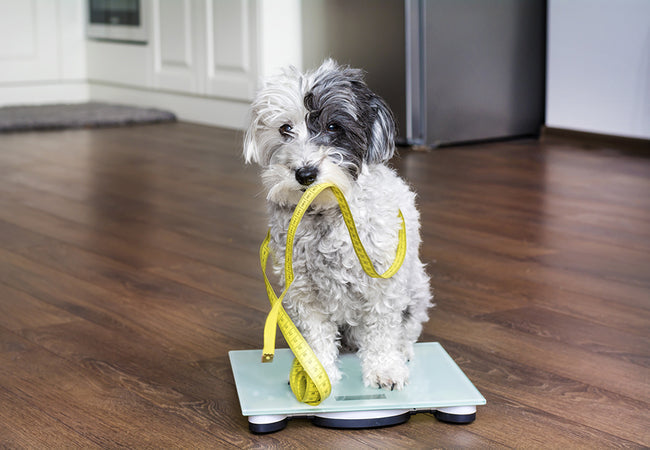
📏 Assessing Your Dog's Weight
Regularly monitoring your dog's weight and body condition is crucial:
- Body Condition Score (BCS): This scoring system helps determine if your dog is underweight, ideal, or overweight.
- Regular Weigh-Ins: Monthly weigh-ins can help track any changes and allow for timely adjustments to diet and exercise routines.
🍽️ Dietary Adjustments for Winter
To prevent weight gain, consider the following dietary strategies:
- Portion Control: Measure your dog's food accurately to avoid overfeeding.
- Healthy Treats: Opt for low-calorie treats like carrots or apple slices, and limit the number of treats given daily.
- Limit Table Scraps: Human food can be high in calories and may not provide balanced nutrition for dogs.
🏃♂️ Maintaining Physical Activity
Keeping your dog active during winter is essential:
- Indoor Play: Engage in games like tug-of-war, fetch, or hide-and-seek inside your home.
- Short, Frequent Walks: If the weather permits, take multiple short walks throughout the day.
- Interactive Toys: Use puzzle toys to stimulate your dog's mind and encourage movement.
🩺 Regular Veterinary Check-Ups
Consulting with your veterinarian can help manage your dog's weight effectively:
- Health Assessments: Rule out any medical conditions that may contribute to weight gain, such as hypothyroidism.
- Personalized Plans: Your vet can provide tailored diet and exercise recommendations based on your dog's specific needs.
📱 Enhance Your Dog's Winter Wellness with Trusted Resources
For additional support and guidance, consider these resources:
- Ask A Vet: Connect with veterinary professionals for expert advice. 🩺
- Woopf: Access tailored training programs to suit your dog's needs. 🎯
- Purrz: Monitor your dog's health and activity levels effectively. 📊
Empower your journey as a pet parent by downloading the Ask A Vet app today and ensure your furry friend thrives in 2025 and beyond! 📲🐾