


Paralysis Ticks on Dogs: What to Know & Prevent – 2025 Vet Guide 🕷️🐶
Dans cet article
Paralysis Ticks on Dogs: What to Know & Prevent – 2025 Vet Guide 🕷️🐶
By Dr. Duncan Houston BVSc
Toxin-carrying paralysis ticks pose a serious threat to dogs, causing ascending paralysis and respiratory distress if not treated quickly. With proper awareness, prevention, and emergency care, most pups can recover fully. Here's your 2025 vet-approved guide to protect your furry friend! 🩺
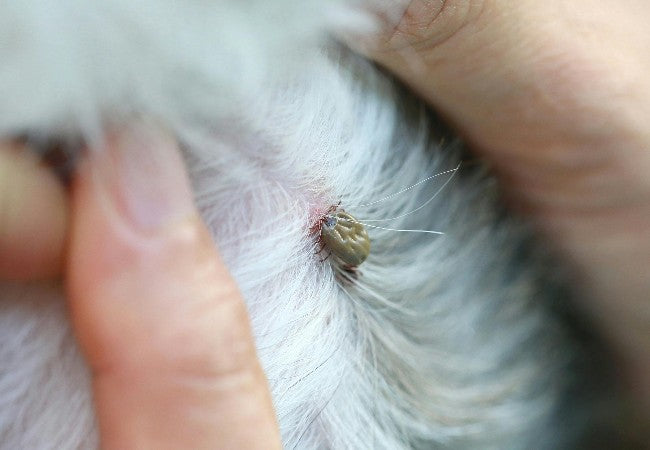
1️⃣ What Are Paralysis Ticks?
- These female ticks secrete a neurotoxin via saliva after ~3–7 days feeding, blocking nerve signals and causing paralysis.
- In North America, Dermacentor species (American dog and Rocky Mountain wood ticks) are common culprits; in Australia, Ixodes holocyclus is notorious and highly toxic.
2️⃣ Symptoms to Watch For
- Early signs: Hind-leg weakness or wobbling that progresses to front legs.
- Advanced: Difficulty walking, breathing, coughing/gagging, altered bark, drooling, dilated pupils, vomiting, and bladder/bowel loss.
- Timeframe: Symptoms typically appear 2–9 days after attachment.
3️⃣ Why This Is an Emergency
- Paralysis can quickly reach respiratory muscles—fatal without intervention.
- Prompt removal often triggers recovery within hours; full recovery usually within 24–72 h.
4️⃣ Diagnosis & Emergency Treatment
- Diagnosis: Based on symptoms, recent tick exposure, and thorough tick search, especially in ears, skin folds, belly, between pads.
- Treatment includes tick removal, hospitalization for IV fluids, oxygen, warming, anti-nausea meds, and possibly tick antitoxin serum.
- Severe cases may require ventilation, catheter support, or other intensive care.
- Prognosis: Around 90–95% recover fully if diagnosed early.
5️⃣ Prevention Strategies
- Year-round tick preventatives: Oral chews (e.g., Bravecto, Credelio Plus, NexGard) or spot-ons/collars like Frontline, Advantix, Seresto.
- Daily tick checks: Especially after walks in wooded/tall-grass areas—tick must feed >3 days before symptoms.
- Habitat control: Keep grass trimmed, remove leaf litter; avoid high-risk areas during peak seasons.
- Regular bathing: Helps dislodge ticks before toxin transfer begins.
6️⃣ Regional & Seasonal Risk
- North America: tick paralysis peaks in spring–early summer (April–June).
- Australia: high-risk seasons include spring, autumn, and even winter in coastal zones; recent high tick activity alerts across southeast Queensland.
📊 Quick Reference Table
| Aspect | Details |
|---|---|
| Tick attachment | Must feed 3–9 days |
| Early symptom | Hind-leg weakness/wobbling |
| Emergency signs | Breathing issues, altered bark, paralysis |
| Treatment | Tick removal, ICU, antitoxin, supportive care |
| Recovery time | Started in hours, full in 1–3 days |
| Prevention | Preventatives, daily checks, habitat control |
🔍 Final Thoughts
Paralysis ticks deliver a fast-acting neurotoxin with grave consequences—prompt response is essential. With preventive measures, regular checks, and immediate treatment, most dogs recover fully. Stay protective in 2025 and beyond! 🐕❤️
Concerned about tick season, choosing the best preventative, or emergency steps? Download the Ask A Vet app for real-time vet advice anytime. 📱🐾