


Perianal Fistula in Dogs 2025: Vet Guide to Diagnosis & Treatment 🐶🩺
Dans cet article
Perianal Fistula in Dogs 2025: Vet Guide to Diagnosis & Treatment 🐶🩺
By Dr. Duncan Houston BVSc
Perianal fistula—also called anal furunculosis—is a painful, chronic condition that often affects dogs (especially German Shepherds). As your veterinarian, I’ll explain what it is, how to spot it, and how today’s medical, surgical, and advanced options—like stem-cell and light therapy—can restore your dog’s comfort and mobility.
🔍 1. What Is a Perianal Fistula?
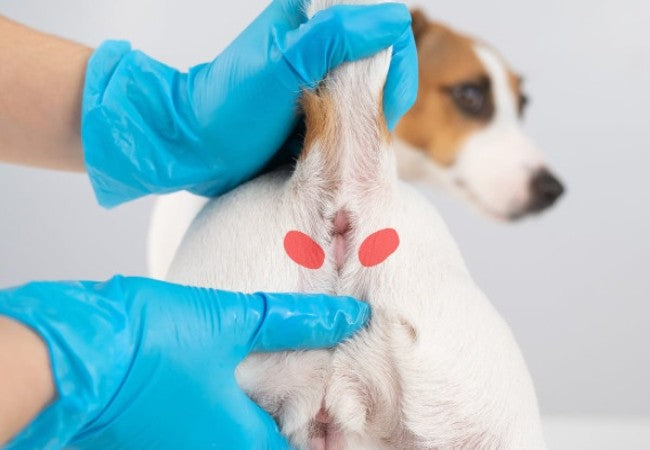
A perianal fistula is a tunnel or “tract” forming near or into the anus, often ulcerated and draining pus or blood. It may be one opening or multiple deep ulcers circling the anus, causing severe pain during sitting, defecation, or tail-wagging.
This chronic lesion requires veterinary attention—these don’t heal on their own.
🩺 2. Who Is Most at Risk?
German Shepherds make up roughly 80–84% of cases—including mixed breeds with shepherd ancestry. Middle-aged, intact males are most affected.
Other breeds like Irish Setters, Labradors, Beagles, and Spaniels can also develop it—but genetic, immune, and tail carriage factors (poor ventilation) contribute to disease onset.
⚠️ 3. Why It Happens – Immune-Mediated Origins
Perianal fistula is caused by an overactive immune process that destroys healthy tissue near the anus. Anal sac infection and poor airflow worsen it, but it is fundamentally autoimmune.
Conditions like colitis, food allergy (common in shepherds), and tail carriage patterns intensify disease risk. Ongoing inflammatory cytokines—similar to Crohn’s fistulas—suggest deeper immune dysregulation.
🔔 4. Signs to Watch For
- Draining tracts, ulcers, or pus-like discharge near the anus
- Painful defecation, scooting, tail-carriage avoidance
- Blood or mucus in stools, fecal incontinence or straining
- Persistent licking, biting of the area, aggression when touched
- Loss of appetite, depression or behavior change from chronic pain
🧪 5. Diagnosing Fistulas Accurately
- Physical and digital rectal exam—sedation needed if painful
- Rule out abscesses, tumors, impacted anal sacs, infections
- Anal sac cytology/culture if infection suspected
- Blood tests to check overall health and medication safety
- Biopsy rarely—but may be needed to rule out cancer (e.g., anal sac adenocarcinoma)
💊 6. Medical Treatment – Immunosuppressive Therapy
Cyclosporine is the gold standard—given orally (2–10 mg/kg daily), with most dogs responding in 8–12 weeks. Higher doses generally work faster but carry greater risk. Often combined with ketoconazole to reduce cost and dose.
Azathioprine is used when cyclosporine isn’t enough—often with metronidazole. It requires careful monitoring due to bone marrow and liver side effects.
Prednisone helps some, but side effects (thirst, appetite, weight gain) can limit use—response is variable.
🧴 7. Topical Therapy: Tacrolimus
Applied directly as a 0.1% ointment, tacrolimus reduces immune reaction locally and avoids systemic immunosuppression. About 50% of dogs benefit—often used in combination during maintenance.
🔦 8. Advanced & Adjunct Therapies
- Fluorescent Light Energy (FLE): Weekly photobiomodulation showed >90% lesion improvement in a small study—less scratching, pain, and inflammation.
- Mesenchymal Stem Cells: Cryopreserved allogeneic stem-cells injected into lesions led to full closure in 14 refractory cases—with few relapses over 12–48 months.
🛠️ 9. Surgical Options—When Medical Fails
Today, surgery is reserved for dogs not responding to meds or with anal sac involvement. Options:
- En bloc excision – removal of diseased tissue; risk of fecal incontinence
- Cryosurgery/laser therapy – tissue destruction, healing by secondary intention
- Anal sacculectomy – removal of infected sac when sac is involved
- Tail amputation – rare, but improves airflow and healing in recurrent cases
Surgery demands strict aftercare—daily cleaning, stool softeners, e-collars—to prevent complications like strictures, incontinence, or recurrence.
🏡 10. Ongoing Care & Quality of Life
- Maintain anti-inflammatory meds at the lowest effective dose
- Apply tacrolimus to reduce flare-ups
- Clean perianal area with recommended antiseptics—ask your vet for instructions
- Use stool softeners like lactulose to ease pain during defecation
- Monitor for flare-ups and pain—consistent follow-up is key to control
🥗 11. Diet & Digestive Support
- Use hypoallergenic or novel-protein diets—often linked to fistula development
- Increase fiber to improve stool firmness and reduce anal strain
🐾 12. Breed-Specific & Age Considerations
- German Shepherds: High risk—especially intact males. Consider early screening if signs appear.
- Seniors or comorbid dogs: Handle medications carefully due to organ function changes.
- Puppies: Rare but severe—treat aggressively and monitor expertly.
🚨 13. When to Contact Your Vet
- New draining tracts, ulcer spread, increased bleeding or pain
- Straining or constipation for >24 hours
- Change in appetite, weight loss, lethargy
- Side effects from meds—vomiting, diarrhea, lethargy
Persistent fever, infection, or flare-ups require prompt veterinary care and medication adjustment.
🛍️ 14. Vet-Recommended Tools & Support
- Ask A Vet App: quick help when flare-ups or complications arise
- Protective Door Lounge or Cot: helps desensitize the area and ease sitting pain
📌 15. Final Takeaways
- Perianal fistulas are painful, immune-driven lesions—typically requiring lifelong management
- Early diagnosis and aggressive treatment—starting with cyclosporine and topical tacrolimus—improve outcomes
- Emerging therapies like light energy and stem cells may help refractory cases
- Surgery is last resort—requires comprehensive aftercare
- Diet, hygiene, and stress-reduction strategies support healing and prevent recurrence
- Frequent vet monitoring ensures quality of life and long-term comfort


