


Pomeranian Guide 2025: Vet Approved History & Care ✅🐾
Dans cet article
Pomeranian Guide 2025: Vet Approved History & Care ✅🐾
By Dr. Duncan Houston BVSc
Introduction
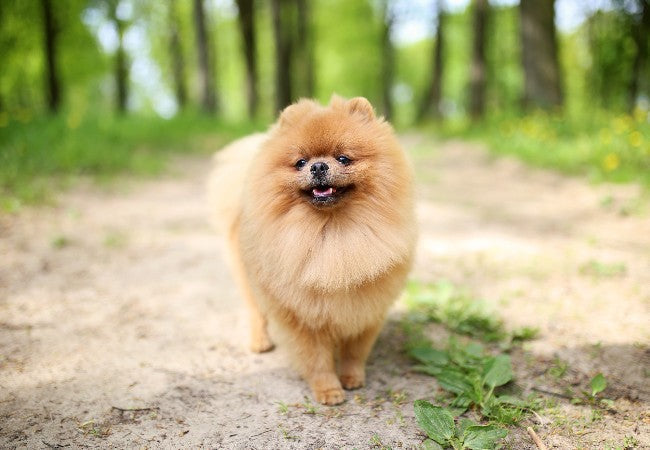
The Pomeranian is a spirited toy spitz known for its fluffy double coat, foxlike face, and confident swagger. Weighing just 3–7 lb and standing 6–7 in, this charismatic breed is one part lap companion, one part watchdog—filled with charm, intelligence, and boldness.
Breed Origins & History 🏰
Descended from larger Arctic spitz breeds like the German Spitz, Pomeranians were downsized in 19th-century Pomerania (now northern Poland/Germany). A surge in popularity came when Queen Victoria favored a tiny red Pom, prompting breeders to develop smaller versions in the late 1800s. Royal owners also included Marie Antoinette and Mozart, and two Pomeranians even survived the Titanic!
Physical Characteristics
- Size: 6–7 in tall; 3–7 lb
- Coat: Thick double coat with profuse ruff and plume; high-maintenance grooming
- Colors: Over 20 combinations—common are orange/red, cream, black, sable, and merle
- Lifespan: Typically 12–16 years
Temperament & Personality 🎭
Poms are affectionate, bright, and bold—often bonding closely with one person. They’re alert barkers and make loyal watchdogs, though their small size means training is key to curbing their loudness. Bring lively energy and sass—these dogs thrive on attention and mental engagement.
Exercise & Enrichment
Though small, Poms need at least 60 minutes of daily activity: walks, indoor games, and puzzle toys. Their double coat makes them intolerant of heat—limit outdoor play in warm weather and supervise near predators like birds.
Grooming & Coat Care ✂️
- Brushing: 3–4× weekly, daily during seasonal shedding
- Bathing: Every 4–6 weeks
- Teeth: Brush daily to combat dental disease
- Ears: Clean weekly
- Nails: Trim monthly
- Anal glands: Express if needed during baths
Nutrition & Feeding 🍽️
Feed high-quality small-breed formula, with measured meals twice daily. Avoid high-calorie treats to prevent obesity. Monitor weight carefully—Pom weight can plateau or rise unexpectedly.
Work with Ask A Vet to tailor a diet plan for coat, dental, and metabolic health.
Health & Genetic Concerns 🧬
Pomeranians are durable, but prone to:
- Collapsed Trachea: Walk with harness—not collars
- Patellar Luxation: Kneecap instability common in toy breeds
- Hypoglycemia: Especially in puppies—regular feeding helps prevent lows
- Dental Disease: Frequent in Poms; daily brushing essential
- Skin Conditions: Alopecia X, “black skin disease,” and allergies are common
- Eye Problems: Cataracts and tear-staining—annual checks are important
- Hypothyroidism & Cushing’s: Reported in older Poms
Annual vet exams, OFA patella screening, dental check-ups, and thyroid bloodwork are recommended.
Training & Behavior
Use positive reinforcement and short sessions to curb stubbornness and excessive barking. Early socialization helps. Harness your Pom’s cleverness with interactive toys and obedience training.
Living Environment & Compatibility 🏡
Pomeranians are ideal for apartments or homes with secure yards. They do well with calm children and other pets if introduced properly. Avoid rough handling due to their tiny frames. Regular exposure improves sociability and reduces anxiety.
Travel & Daily Life 🧳
Poms excel as travel companions—use secure car harnesses and provide shaded carriers. Their thick coat needs protection in heat; in winter, a small coat helps retain warmth. Supervise play in open spaces to avoid overheating or injury.
Dr Houston’s Pom Wellness Checklist ✅
- 📅 Annual exam with dental, respiratory, joint, and thyroid checks
- 🦷 Daily teeth brushing and dental chews
- 🥣 Measured diet, safe treats, weight monitoring
- 🏃♂️ 1 hour daily of walking, play, and enrichment
- 🧼 Regular grooming, especially around season changes
- 📱 Use Ask A Vet for tailored guidance on health concerns
Conclusion 🌟
The Pomeranian is a bold, affectionate, and intelligent companion wrapped in a tiny, fluffy package. With consistent care, grooming, training, and health monitoring, Poms bring warmth, personality, and longevity to loving homes worldwide.
Need expert advice for your Pom? Visit AskAVet.com or download the Ask A Vet app for personalized health and training support anytime. 🐾


