


Puppy Care (6–12 Months): Expert Vet Tips for Heart, Behavior & Growth (2025) 🐶
Dans cet article
Puppy Care (6–12 Months): Expert Vet Tips for Heart, Behavior & Growth (2025) 🐶
By Dr. Duncan Houston BVSc
🔍 Why 6–12 Months Is a Critical Phase
Puppies aged 6–12 months enter adolescence—rapid growth slows, permanent teeth arrive by ~6–7 months, and behavior challenges peak. This period requires tailored care for nutrition, training reinforcement, health planning, and emotional well-being.
📏 Physical and Behavioral Development
- Growth milestones: Weight gain slows; growth plates start closing. Giant breeds may continue growing past 12 months.
- Teeth: By ~6–7 months, adult teeth should be in—maintain dental checks for any misalignment or retained puppies.
- Adolescent behaviors: Expect boundary testing, increased energy, mounting, marking, and occasional stubbornness.
🍽️ Nutrition & Feeding Schedule
Your adolescent pup still needs growth-formulated nutrition:
- Switch to adult food at ~9–12 months for small breeds; large breeds may remain on puppy diet up to 12–18 months.
- Feed 2–3 meals daily; spacing meals by no more than 12 hrs reduces the risk of bilious vomiting.
- Using food-restricted meals helps avoid overweight issues and supports optimal body condition.
- Consult portion guides based on breed, weight, energy levels—labels and vet advice are key.
🏋️ Safe Exercise & Lifestyle
- Short bursts of play and walks—maximize sniffing and exploring, but avoid high-impact activities until growth plates close.
- Mentally stimulating games—puzzles, training drills, and scent work to balance energy.
🎓 Training Refresher & Social Life
- Reinforce basic obedience: sit, stay, recall—use positive reinforcement to maintain response amidst distractions.
- Continue socialization: exposure to diverse environments, sounds, and people maintains confidence.
- Address adolescent behaviors—redirect mounting or marking with consistent responses and training.
- If you haven't already, enroll in reinforcement training or adolescent obedience classes for structure.
💉 Health & Preventive Care
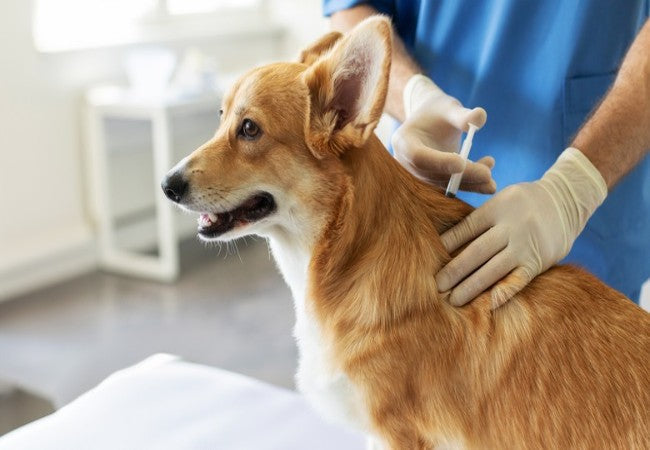
- Your pup should be fully vaccinated by now; discuss rabies and lifestyle-tailored boosters with your vet.
- 6‑ and 12‑month vet checks—including growth, skin, dental, and joint assessments—are essential.
- Spay/neuter timing: small breeds often by 6‑9 months; large/giant breeds may benefit from delayed procedures (~12–18 months) to support orthopedics; consult your vet.
- Continue year-round parasite prevention—including heartworm, ticks, fleas—even during colder months.
🦷 Dental Care & Teething Follow-Up
- Brush teeth regularly; check for retained baby teeth or misalignment.
- Provide chew toys to help satisfy chewing urges and support jaw strength.
📅 Dr Houston’s Adolescent Puppy Checklist
- ✔️ Monitor growth and dental development monthly
- ✔️ Feed balanced diet, adjusting portions & frequency
- ✔️ Maintain safe play & mental stimulation routines
- ✔️ Reinforce training & manage adolescent behavior
- ✔️ Schedule 6‑ and 12‑month wellness exams
- ✔️ Discuss spay/neuter timing with your vet
- ✔️ Keep up with vaccination and prevention routines
- ✔️ Continue dental care and provide chew enrichment
- 📱 Ask A Vet is available for real-time adolescent support
🌟 Final Thoughts
The 6–12 month journey is a transformative phase—your pup bridges childhood into adulthood. Thoughtful feeding, appropriate exercise, ongoing training, wellness visits, and emotional support will shape a balanced, healthy adult dog. If you ever need tailored advice on growth, behavior, or health concerns, Ask A Vet is just a message away. 🐾❤️
Need personalized guidance for your growing teenager pup? Visit AskAVet.com or download the Ask A Vet app—veterinary support anytime, anywhere! 📱🐶


