


Spring Pet Hazards 2025 : 19 Vet-Confirmed Dangers 🌷⚠️
Dans cet article
🌸 19 Spring Dangers That Could Harm Your Pet in 2025 🐾
By Dr Duncan Houston BVSc
As the days grow longer and nature awakens, spring offers a refreshing change for both humans and pets. However, this season also introduces various hazards that can pose risks to your furry companions. Here's a comprehensive guide to 20 springtime dangers and how to protect your pets:
1. 🐾 Weekend Warrior Syndrome
Overview: After a sedentary winter, sudden intense activity can lead to injuries.
Prevention Tips:
- Gradually increase your pet's activity levels.
- Start with short walks and light play sessions.
- Monitor for signs of fatigue or discomfort.
2. 🍫 Easter Treats
Overview: Chocolate and artificial grass in Easter baskets are toxic to pets.
Prevention Tips:
- Keep Easter baskets out of reach.
- Educate children about not sharing treats with pets.
- Dispose of wrappers and decorations promptly.
3. 🌼 Toxic Spring Plants
Overview: Plants like lilies, daffodils, and tulips can be harmful if ingested.
Prevention Tips:
- Research pet-safe plants before gardening.
- Keep toxic plants out of your pet's environment.
- Consult your vet if ingestion is suspected.
4. 🐝 Insect Stings
Overview: Bees and wasps become more active, posing a sting risks.
Prevention Tips:
- Supervise outdoor playtime.
- Keep your yard free of nests.
- Seek veterinary care if a sting occurs.
5. 🌾 Seasonal Allergies
Overview: Pollen and mold can trigger allergic reactions in pets.
Prevention Tips:
- Wipe your pet's paws after walks.
- Keep windows closed during high pollen days.
- Consult your vet for allergy management options.
6. 🧴 Lawn Chemicals
Overview: Fertilizers and pesticides can be toxic if ingested or contacted.
Prevention Tips:
- Use pet-safe lawn products.
- Keep pets off treated areas until safe.
- Store chemicals securely.
7. 🧹 Spring Cleaning Products
Overview: Cleaning agents may contain harmful chemicals.
Prevention Tips:
- Use pet-friendly cleaning products.
- Store cleaners out of reach.
- Ensure areas are dry before allowing pet access.
8. 🐜 Parasites
Overview: Fleas, ticks, and mosquitoes become more prevalent.
Prevention Tips:
- Maintain regular parasite prevention treatments.
- Check your pet for ticks after outdoor activities.
- Keep your yard tidy to reduce breeding grounds.
9. 🐍 Wildlife Encounters
Overview: Increased outdoor activity can lead to encounters with snakes or other wildlife.
Prevention Tips:
- Keep your pet on a leash during walks.
- Avoid areas known for wildlife activity.
- Train your pet to avoid wildlife.
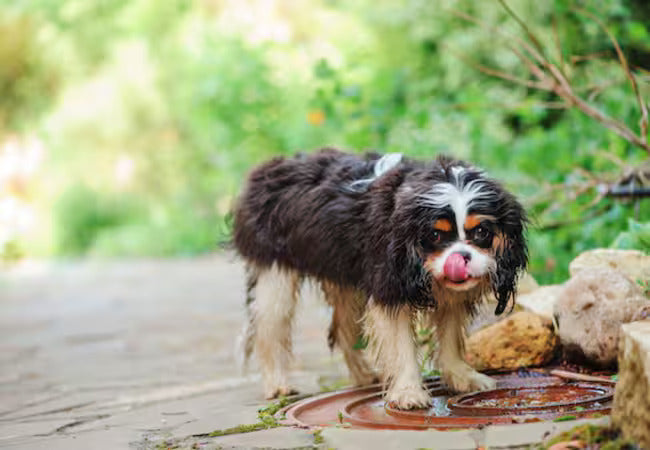
10. 💧 Standing Water
Overview: Puddles and stagnant water can harbor bacteria and parasites.
Prevention Tips:
- Prevent your pet from drinking from unknown water sources.
- Provide fresh water during outings.
- Keep your yard free of standing water.
11. 🐾 Hot Pavement
Overview: As temperatures rise, pavement can become too hot for paws.
Prevention Tips:
- Walk your pet during cooler parts of the day.
- Test pavement temperature with your hand.
- Consider protective booties for your pet.
12. 🐶 Unfamiliar Visitors
Overview: Increased social gatherings may introduce new people and pets.
Prevention Tips:
- Monitor your pet's interactions.
- Provide a safe space for your pet to retreat.
- Ensure your pet is comfortable with guests.
13. 🚗 Travel Stress
Overview: Spring vacations can disrupt routines and cause anxiety.
Prevention Tips:
- Maintain a consistent routine when possible.
- Use calming aids if necessary.
- Ensure your pet is comfortable during travel.
14. 🐕 Off-Leash Risks
Overview: Letting pets off-leash in unfamiliar areas can lead to accidents.
Prevention Tips:
- Use a leash in new environments.
- Train recall commands.
- Supervise your pet closely.
15. 🧸 Small Toys
Overview: Spring-themed toys may pose choking hazards.
Prevention Tips:
- Choose appropriate toys for your pet's size.
- Supervise playtime.
- Regularly inspect toys for damage.
16. 🐾 Shedding and Grooming
Overview: Seasonal shedding increases, requiring more grooming.
Prevention Tips:
- Brush your pet regularly.
- Schedule professional grooming if needed.
- Monitor for skin issues.
17. 🐕 Mating Season
Overview: Spring is a common mating season, leading to behavioral changes.
Prevention Tips:
- Consider spaying or neutering your pet.
- Supervise interactions with other animals.
- Be aware of roaming tendencies.
18. 🐾 Increased Outdoor Activity
Overview: More time outside increases exposure to various risks.
Prevention Tips:
- Ensure your yard is secure.
- Provide shade and water during outdoor time.
- Monitor for signs of overheating.
19. 🧼 Grooming Products
Overview: Some grooming products may cause allergic reactions.
Prevention Tips:
- Use products formulated for pets.
- Test new products on a small area first.
- Consult your vet for recommendations.