


Ultimate Guide to Crate Sizing for Dogs (2025): Vet Approved Tips for Comfort & Safety 🐶📏
Dans cet article
Ultimate Guide to Crate Sizing for Dogs (2025): Vet Approved Tips for Comfort & Safety 🐶📏
By Dr. Duncan Houston BVSc
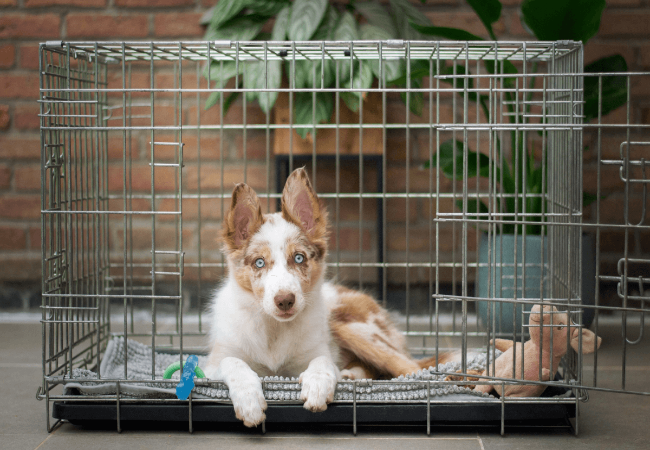
Choosing the right crate size is more than just a shopping decision—it’s about your dog’s comfort, safety, and emotional well-being. As a veterinarian, I’m here to help you pick, customize, and optimize a crate that fits your dog now and as they grow. This guide covers measuring correctly, using dividers, travel vs. home crates, breed and age considerations, crate furnishings, training, and much more. Let’s dive deep! 🐾
① Why Crate Size Matters
Dogs instinctively seek out cozy spots—they’re known as “den animals.” A well-sized crate becomes their sanctuary, helping with:
- Training & housebreaking—they avoid soiling areas where they eat and sleep
- Safe confinement when unsupervised
- Stress relief during thunder, storms, vet visits, or travel
Too small, and your dog will be cramped; too large, and they’ll use part as a bathroom—undermining the crate’s effectiveness.
② How to Measure Your Dog Correctly 🪡
Weight is a rough guide—measurements are essential for a true fit:
- Length: From the base of the tail (rump) to tip of nose
- Height: While standing, top of head or tallest ear
- ➕ Add at least 2–4 in (5–10 cm) above height and length for comfort and bedding
③ Crate Size Chart—General Guidelines
| Crate Size (in) | Dog Size | Length | Height | Examples |
|---|---|---|---|---|
| 18×12×14 | Up to 6 lb | ≤10" | ≤10" | Toy breeds |
| 22×14×16 | Up to 12 lb | ≤16" | ≤12" | Chihuahua, Yorkie |
| 24×18×20 | 13–25 lb | ≤18" | ≤14" | Shih Tzu, Bichon |
| 30×20×23 | 26–40 lb | ≤24" | ≤18" | Beagle, Frenchie |
| 36×24×26 | 41–70 lb | ≤30" | ≤20" | Lab, Corgi |
| 42×28×30 | 71–90 lb | ≤36" | ≤24" | Boxer, Shepherd |
| 48×30×32 | 90–110 lb | ≤42" | ≤26" | Great Dane, Mastiff |
Always size up if between sizes—your dog should stand, turn, stretch, and lie down comfortably.
④ Using Dividers for Puppies 🧩
A divider lets you buy one crate that grows with your puppy:
- Start with the divider close to the door—just enough space for the puppy to stand and lie down comfortably
- Move back as they grow—helps maintain house-training instincts by preventing “bathroom corners”
For crates without dividers, use rolled towels or sturdy barriers safely—but typically, a wire crate with a divider is best.
⑤ Crate Types & Size Considerations
- Wire crates: Great ventilation, adjustable dividers, easy to fold
- Plastic travel crates: Airline-approved, durable, but bulkier and less breathable
- Soft-sided: Lightweight, indoor cozy—avoid when your dog chews or escapes often
- Furniture-style wooden crates: Stylish and functional, good for home lounge use—measure to match décor and dog needs
- Hybrid/alloy crates: Strong, often heavy; good for rugged breeds or healing musculoskeletal pets
⑥ Breed & Special Needs Considerations
- Brachycephalic breeds: Pugs, Bulldogs—require good airflow; avoid fully enclosed crates during travel
- Senior or arthritic dogs: Extra height helps standing safely; orthopedic bedding enhances comfort
- Escape artists/chewers: Heavy-duty wire or hybrid with secure locks work best
- Travel safe crates: Follow IATA airline regulations—measure exactly and test for sturdiness
⑦ Bedding & Accessories
Comfort matters—but accessories affect sizing:
- KONGs or slow feeders keep your pup occupied safely
- Crate covers can create den vibes—ensure proper ventilation
- Removable tops assist in grooming curly or shedding breeds
⑧ Crate Placement & Setup Tips
Where you put the crate matters:
- Start in the room where the family spends time—gradually move to a quiet, low-traffic space
- Avoid direct sunlight or drafts—temperature comfort is key
- Remove collars/harnesses before crating to prevent injuries
- Overnight crate covers can reduce noise distractions
⑨ Crate Training & Maximum Time Limits
- Puppies should not remain crated more than age in months + 1 = hours max (e.g. 3-month-old = 4 hr max)
- Adults: 6–8 hrs max, with potty breaks—crating more than 12 hrs harms health
- Always combine crate time with exercise, bathroom breaks, and enrichment (puzzles, chew toys)
⑩ Troubleshooting Common Crate Issues
Dog seems cramped:
Likely too small—measure again and consider next size upBathroom accidents:
Too big, or crate time too long—move divider or shorten sessionsChewing/digging crate:
Use sturdy alternatives, chew toys, or a muzzle (supervised)Reluctant to enter:
Make crate fun—treats, toys, short sessionsOverheating/breathing fast:
Improve airflow, move out of sun; watch closely with flat-nosed breeds⑪ Long-Term Care & Ageing Adjustments
- Adjust crate size and padding as dogs age—support joints, ease standing and lying
- Consider crates with low-entry side doors for less mobile pups
- Insert night mats or softer bedding for comfort—especially for older dogs with arthritis
⑫ When to Replace or Upgrade
- The dog outgrows the measured size
- Visible wear/weak locking mechanisms
- Behavior changes—escape attempts or anxiety signs
- Moving to a new setting (e.g. travel, child in home)—consider style or sturdiness needs
🛍️ Recommended Crate Accessories
- Ask A Vet App: help with crate sizing questions, behavior issues
📌 Final Takeaways
- Proper crate size = stand comfortably, stretch, turn around
- Measure your dog, not rely on weight/breed alone
- Use dividers for growing pups; keep bedding, toys in mind
- Choose crate style based on purpose & dog’s habits
- Limit crate time; pair with potty, play, training
- Adjust for aging dogs and replace when needed


