


Vet Approved Guide: Aspiration Pneumonia in Dogs – Causes, Symptoms & 2025 Treatment Strategies 🐶🐾
Dans cet article
Vet Approved Guide: Aspiration Pneumonia in Dogs – Causes, Symptoms & 2025 Treatment Strategies 🐶🐾
By Dr. Duncan Houston BVSc
Aspiration pneumonia occurs when food, vomit, liquid, or medication is inhaled into a dog’s lungs, causing inflammation, infection, and airway blockage, making it one of the most common and serious lung infections in dogs. Prompt veterinary care can help your dog recover and thrive. 🛡️
🔍 What Causes It?
- Inhaling food or vomit due to disrupted swallowing reflexes during vomiting or regurgitation
- Risks include laryngeal paralysis, megaesophagus, neurologic disorders, sedation/general anesthesia, force-feeding, and brachycephalic breeds
⚠️ Warning Signs
- Coughing (wet or dry), wheezing, nasal discharge, labored or rapid breathing
- Fever, lethargy, loss of appetite, exercise intolerance
- Blue or pale gums in severe cases
- Altered mood, difficulty swallowing, repeated regurgitation (“silent aspiration”)
🩺 How Vets Diagnose It
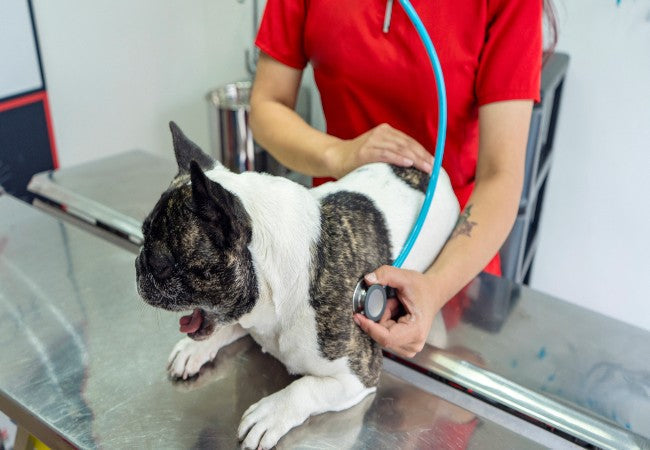
- Physical exam and stethoscope auscultation
- Bloodwork to check for infection and oxygen status
- Chest X‑rays or ultrasound reveal lung changes
- Tracheal or bronchoalveolar lavage for culture and cytology to guide antibiotic selection
🛠️ 2025 Treatment Plan
🏥 Hospital-Grade Care
- Oxygen therapy for breathing support
- IV fluids to maintain hydration, dilute mucus, and support circulation
- Bronchodilators, nebulization, and coupage to clear airways
💊 Medications
- Targeted antibiotics based on lung culture—typically broad-spectrum and continued for 2–8 weeks
- NSAIDs for fever and airway inflammation
- Anti-nausea drugs and motility agents to prevent relapse
🏠 Home Recovery
- Strict rest, limited activity to reduce stress on lungs
- Encourage hydration and nutritious, easily swallowed meals
- Use steaming baths or humidifiers to ease breathing
- Follow-up X‑rays to ensure resolution before stopping antibiotics
📈 Prognosis
With timely diagnosis and complete treatment, 75–85% of dogs recover well. However, underlying conditions like megaesophagus or laryngeal paralysis may increase risk of recurrence. Lung abscesses and prolonged illness occur in more severe or delayed cases.
🛡️ Preventing Recurrence
- Manage underlying issues: use Bailey chair for megaesophagus; treat laryngeal paralysis—possibly surgically
- Avoid force-feeding, maintain safe feeding positions
- Reduce acid reflux, especially post-anesthesia or in brachycephalic breeds
- Keep dogs upright for 10 minutes after meals
📱 Vet‑Approved Support Tools
- Ask A Vet: 24/7 help with respiratory monitoring, treatment plans, and follow-ups 🩺
🎯 Final Thoughts
Aspiration pneumonia demands swift veterinary action. Early recognition, aggressive hospital care, and complete at-home recovery make a big difference. With the right approach, most dogs bounce back in weeks—but addressing root causes is key to avoiding relapse. See your vet promptly if your dog coughs or struggles to breathe after eating, vomiting, or anesthesia. 🐾
For expert guidance and peace of mind, download the Ask A Vet app today. 📲🐶