


Vet Guide to 2025: Bordetella (Kennel Cough) Vaccine for Dogs — Protection, Schedule & Smart Monitoring 🐶🩺
Dans cet article
Vet Guide to 2025: Bordetella (Kennel Cough) Vaccine for Dogs — Protection, Schedule & Smart Monitoring 🐶🩺
By Dr. Duncan Houston BVSc
Bordetella bronchiseptica—the leading cause of kennel cough—is highly contagious among dogs that socialize. I’m Dr Duncan Houston BVSc, here to explain why the Bordetella vaccine (non‑core) matters, when and how it’s given, what to expect afterward, and how Ask A Vet.✨
1. What is Bordetella & Kennel Cough?
- Bordetella bronchiseptica is a bacterium that inflames the trachea and bronchial tubes—leading to the typical “honking cough” in kennel cough.
- Often part of the canine infectious respiratory disease complex (CIRDC), alongside parainfluenza, adenovirus, and coronavirus.
- Highly transmissible in kennels, dog parks, grooming, daycare, and daycare settings.
2. Who Needs the Vaccine?
- Any dog with exposure to communal environments should receive it.
- Required annually—or every 6 months in high-risk areas—by most boarding, daycare, and grooming facilities.
- Non-social or home-only dogs might skip it, but vets may still recommend yearly boosters.
3. Vaccine Options & Schedule
- Intranasal spray: Live vaccine delivered to the respiratory mucosa; fast protection and often preferred.
- Oral (buccal pouch): Needle‑free, local live vaccine; convenient for anxious dogs.
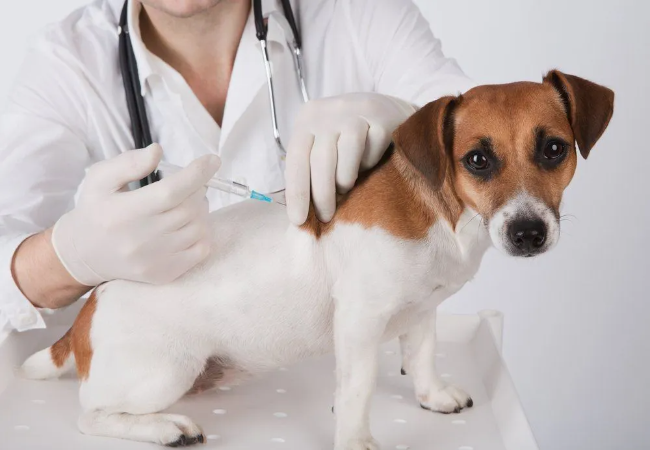
- Injectable (killed bacterium): Given under the skin for dogs that can’t tolerate face sprays.
Puppy schedule:
- First intranasal as early as 6–8 weeks; booster 2–4 weeks later.
- Injectable begins at 6–8 weeks, second dose around 10–12 weeks.
Adult dog schedule:
- One intranasal dose suffices annually, or every 6 months in high‑risk environments.
- Injectable requires initial two doses 2–4 weeks apart, followed by annual boosters.
4. How Well Does It Work?
- About 70 % effective in preventing Bordetella bronchiseptica.
- Local immunity (IgA) from intranasal and oral routes offers quicker and stronger protection.
- Helps reduce symptom severity and transmission, even if it doesn’t fully prevent infection.
5. Common Side Effects
- Mild cough, sneezing, runny nose—esp. intranasal; resolves within 1–2 days.
- Lethargy, low-grade fever, decreased appetite—signs of immune response, typically short-lived.
- Swelling or lump at injection site—common with injectable form, monitor for infection.
- Rare severe reactions (vomiting, hives, breathing issues)—contact vet immediately.
6. Safety, Costs & Considerations
- Generally safe; avoid vaccinating sick or immunocompromised dogs or pregnant dogs.
- Annual cost ranges from \$15–\$40, typically lower than treatment costs for kennel cough.
- Non-core vaccine—recommended based on risk profile and lifestyle.
7. Integrate with Ask A Vet
- Ask A Vet App: Log vaccine type & date, set booster reminders, monitor side effects, and message your vet post-vaccination.
8. FAQs
- Can vaccinated dogs still get kennel cough?
- Yes—other pathogens (e.g., parainfluenza, adenovirus) can cause it; the Bordetella vaccine reduces severity and spread.
- Which is best: intranasal, oral, or injectable?
- Intranasal or oral live vaccines provide better mucosal immunity; use injectable if the dog objects to face sprays.
- My dog sneezes post‑vaccine—is this normal?
- Yep—mild nasal symptoms after intranasal vaccine are expected and usually resolve in 1–2 days.
- How often should boosters occur?
- Annual booster for most; every 6 months if high exposure (boarding, daycare, dog shows).
Conclusion 💡
The Bordetella vaccine is a vital defense for socially active dogs against kennel cough. With tailored scheduling based on lifestyle, selection of the best administration route, and awareness of mild side effects, vaccination is both safe and effective. Using Ask A Vet. Protect your pup and fellow canines—stay updated and boost respiratory wellness! 🐾❤️


