


Vet Guide to 2025 Cold‑Weather Dog Breeds: Best Winter Dogs & Care Tips 🐶🩺
Dans cet article
Vet Guide to 2025 Cold‑Weather Dog Breeds: Best Winter Dogs & Care Tips 🐶🩺
By Dr. Duncan Houston BVSc
Winter wonderlands are made for breeds that thrive in snow, ice, and colder temps. In this comprehensive guide, Dr Duncan Houston BVSc explores the top winter-ready dog breeds—what makes them cold-hardy, how to care for them in colder seasons, and medical support via Ask A Vet. Whether you live in Seattle snow or simply love chilly morning walks, this article equips you with everything you need to choose and care for a cold-weather companion. 🌨️🐾
1. What Makes a Dog Excellent in Cold Weather (≈300 words)
Certain physical traits allow some dogs to flourish in cold climates:
- 🧥 Double coats – thick undercoats trap body heat, while coarse outer coats repel snow and moisture.
- 🐾 Padded and furry paws – act like snowshoes to distribute weight and protect against frostbite.
- ❄️ Streamlined ears and bushy tails – small ears reduce heat loss, while bushy tails warm the face when curled up.
- ⚙️ Robust metabolism – adapted to converting food into energy and body heat efficiently.
That said, even the hardiest breeds need balanced care: limited outdoor time during extreme cold, regular vet checks, and smart grooming are essential to prevent frozen skin, frostbite, and dehydration. That's where Ask A Vet support shines—get personalized advice if you’re unsure about conditions or behavior.
2. Top Cold-Weather Dog Breeds (≈600 words)
These breeds are built for winter—let’s look at their traits, temperaments, and care requirements:
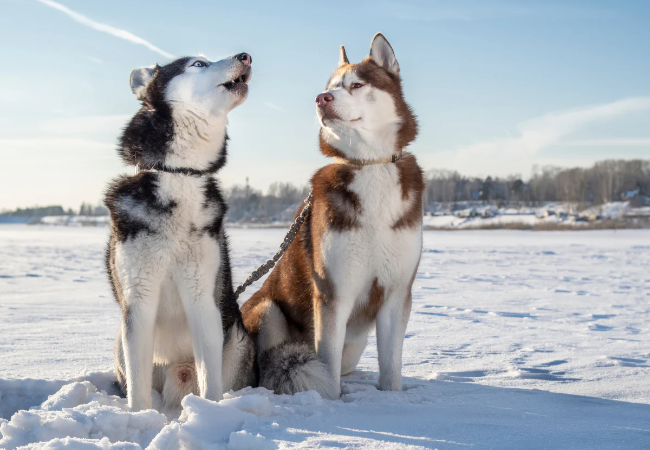
- Siberian Husky
- - Medium-sized, striking blue/bi-eyed spitz with a thick double coat. Originated in Arctic regions for sled-pulling.
- Temperament: energetic, pack-oriented, escapes if bored. Requires vigorous exercise.
- Alaskan Malamute
- - Strong, heavy-set sled breed with plush undercoat and snowshoe paws.
- Temperament: friendly, durable, suited for hauling, but needs proper social training.
- Samoyed
- - Known for the “Sammy smile” and white fluffy coat—ears and tail curl to conserve warmth.
- Temperament: affectionate, alert, heavy shedder—grooming essential.
- Bernese Mountain Dog
- - Swiss Alps draft dog with tri-color double coat and long fur.
- Temperament: gentle, great with families, carting-capable.
- Newfoundland
- - Big and powerfully built, bred for water rescue with a dense coat.
- Temperament: calm, child-friendly, strong swimmer.
- Saint Bernard
- - Famous Alpine rescue dogs with heavy coats.
- Temperament: affectionate giants, slower metabolisms, heat-intolerant in summer.
- Akita
- - Large Japanese spitz with thick double coat, small ears, bear-like structure.
- Temperament: loyal, dignified, independent—requires firm training.
- Norwegian Elkhound
- - Spitz scent hound from Scandinavia with tight, waterproof double coat.
- Temperament: alert, agile, needs regular exercise.
3. Caring for Cold‑Weather Dogs in Winter (≈400 words)
- 🧴 Paw care: Hot water rinse after walks,
- 🪞 Coat maintenance: Deshed weekly; never shave a double coat.
- 💧 Hydration: Offer tepid water—cold slows intake and hydration.
- ⏱️ Timed activity: Stick to mid-day outdoor walks (11 am–2 pm) during freezing temps.
- ⚠️ Watch for warning signs: Shivering, lethargy, limping—contact Ask A Vet immediately.
4. Grooming & Double-Coat Best Practices (≈300 words)
- 🖐️ Brush thick coats 2–3 times weekly to remove tangles and prevent mats.
- ❄️ Dry thoroughly after water or snow exposure to prevent chills.
- 🔍 Check dewclaws and fur between toes—ice clogs can cause lameness.
- 🛁 Bathe sparingly—use moisturizing shampoo to retain natural oils.
5. Exercise & Activities in Winter (≈300 words)
- 🏂 Sledding, skijoring, snow hikes—great outlets for high-energy breeds like Huskies and Malamutes.
- 📏 Limit walk duration based on breed/size—smaller dogs in layers need shorter outings.
- 🎽 Indoor training—if temps drop below breed tolerance, practice trick training with Ask A Vet expert guidance.
6. Choosing the Right Winter Breed for You (≈300 words)
Match your lifestyle to the breed’s traits:
- 💨 High energy + outdoor lifestyle? Consider a Siberian Husky or an Alaskan Malamute.
- 👨👩👧 Family-friendly gentle giant? Go for Bernese or Newfoundland.
- 🐕 Independent, loyal breed? The Akita may suit—but needs dedicated training.
- 🐶 Smaller spitz? Norwegian Elkhound is compact but hardy.
- ⚠️ Thin-coated toys? Opt for winter-proof layers, but note cold tolerance is naturally low.
Unsure? Get advice from Ask A Vet via video to evaluate compatibility and living environment.
7. When Cold Becomes Risky (≈200 words)
- 🚨 Frostbite signs: pale or blue skin on paws, ears—seek vet support immediately.
- 🩹 Hypothermia: lethargy, shivering, slowed heart rate—call Ask A Vet and warm gently.
- ⏱️ Keep pets indoors during prolonged extremes; use thermal beds and heating pads.
8. Quick Winter-Prep Checklist
- ✔️ Double coat intact, weekly brushing
- ✔️ Paw balm, booties, salt-free walk paths
- ✔️ Ask A Vet seasonal check-ups and urgent help
Conclusion
Choosing a cold-weather breed is a big decision—one that pairs physical traits with your lifestyle and commitment to care. With thick coats, sturdy builds, and smart support from Ask A Vet, your winter adventures can be safe, fun, and fulfilling. 🐾🌨️ Ready to find your next frosty companion?


