


Vet Guide to Cleft Palate in Dogs 2025 🐶👄
Dans cet article
Vet Guide to Cleft Palate in Dogs 2025 🐶👄
By Dr. Duncan Houston BVSc
Cleft palate—an opening between the mouth and nasal cavity—is a serious congenital (or occasionally acquired) defect affecting a puppy's ability to eat, breathe, and thrive. In this veterinarian guide, I’ll explain causes, clinical signs, diagnostic work‑up, feeding tips, and surgical repair pathways to help pet parents manage this condition effectively. 💊
🔍 What Is a Cleft Palate?
A cleft palate occurs when the roof of the mouth (hard and/or soft palate) fails to fuse properly during fetal development, or is damaged later, creating a gap between the mouth and the nasal passages. This allows food, fluids, and air to leak into the nose or lungs.
📍 Causes & Risk Factors
- Congenital/genetic: Often inherited, especially in brachycephalic breeds like Bulldogs, Boxers, and Pugs.
- Maternal factors: Nutritional imbalances (excess vitamin A, low folic acid), medications (e.g., steroids), or viral exposure during days 25–28 of gestation.
- Acquired: Trauma, burns, tumors or periodontal disease can cause secondary defects.
⚠️ Signs & Clinical Presentation
- Difficulty nursing; milk often exits the nose or the puppy coughs/gags when nursing.
- Poor weight gain or failure to thrive; malnourished despite effort.
- Respiratory issues: sneezing, nasal discharge (food/water), aspiration pneumonia.
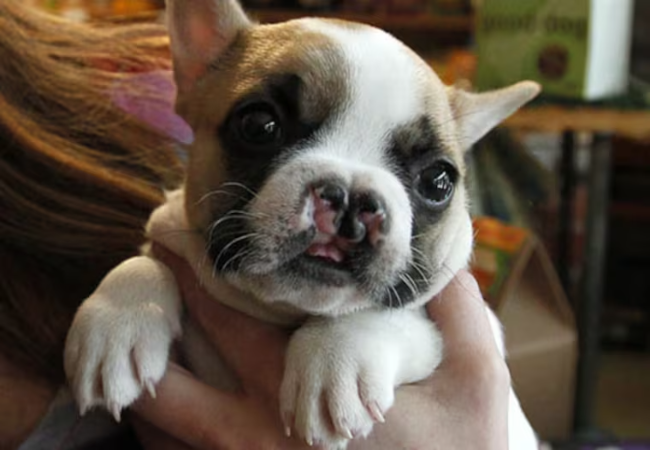
- Visible split in palate—may include cleft lip, malformed nostrils or protruding teeth.
🔬 Diagnostic Approach
- Physical exam: Visual inspection of the roof of the mouth; sedation needed for deeper assessment.
- Advanced imaging: Skull X-rays, CT/MRI to evaluate the extent and rule out pneumonia or ear disease.
- Thoracic imaging: Check for aspiration pneumonia if coughing or breathing issues present.
💡 Pre‑Surgical Management
- Tube‑feeding: Essential until puppy is ≥3–4 months old or ≥2–3 kg—reduces aspiration risk and supports growth.
- Soft diets: Meatball-size food to minimize nasal reflux and gagging.
- Manage infections: Antibiotics for aspiration pneumonia; e‑collars to prevent self-trauma.
🛠️ Surgical Repair Options
- Palatal flap surgery: Preferred method using tissue from the mouth to close defect.
- Minor clefts may resolve with single repair; extensive defects might need multi-stage surgeries, prostheses, or grafts.
- Surgery typically scheduled when the puppy is ≥12–16 weeks old to allow sufficient growth & easier anesthesia.
🛡️ Post‑Op Care & Complications
- Soft, puree-like diets or tube feeding for 2–4 weeks post‑surgery.
- Soft chew toys or muzzle to prevent trauma during healing; e‑collars recommended.
- Watch for dehiscence (suture breakdown), nasal discharge, or sneezing; follow-up visits every 2–4 weeks.
📈 Prognosis
- Puppies with small clefts typically have excellent outcomes post-surgery.
- Large or complex defects may require additional procedures; residual respiratory signs could persist. Lifelong follow-up may be required.
- Puppies euthanized early often suffer from aspiration pneumonia and malnutrition.
📊 Summary Table
| Aspect | Detail | Action |
|---|---|---|
| Diagnosis | Physical and imaging exams | Plan tube-feeding & surgery |
| Pre-Surgery | Tube-feed soft diet, treat pneumonia | Support growth & airway health |
| Surgery | Palatal flap ± graft | Repair around 3–4 months |
| Post-Op | Soft food, e‑collar, monitor healing | Prevent dehiscence, manage infection |
✅ Vet Tips by Dr Duncan Houston BVSc
- 🎯 Diagnose cleft palate early—check all newborn pups.
- 🍼 Plan tube‑feeding schedules to avoid malnutrition or aspiration.
- 🕒 Time surgery for optimal growth and minimal risk.
- 🔁 Monitor post‑op closely and address complications promptly.
- 🚫 Avoid breeding affected puppies due to hereditary risk.
If your puppy struggles to nurse, coughs, or has nasal discharge, contact us via the AskAVet.com app for immediate veterinary advice. With timely intervention and good care, many puppies with cleft palates go on to live happy, healthy lives. 🐾❤️