


Vet Guide to Tracheal Collapse in Dogs 2025 🐶📉
Dans cet article
Vet Guide to Tracheal Collapse in Dogs 2025 🐶📉
By Dr. Duncan Houston BVSc
Tracheal collapse occurs when the cartilage rings that keep the windpipe open weaken, leading to a narrowed airway. Common in middle-aged small breeds like Yorkies, Pomeranians, Chihuahuas, Poodles, and Pugs, dogs may develop a chronic “goose‑honk” cough, respiratory distress, and exercise intolerance. This guide covers causes, symptoms, diagnosis, medical management, surgical options, and prevention strategies. 💊
📍 Causes & Risk Factors
- Weakening of tracheal cartilage due to congenital or genetic factors.
- Exacerbated by obesity, stress, environmental pollutants, heat, and respiratory infections.
- Pressured by collars instead of harnesses.
⚠️ Signs & Symptoms
- Chronic dry “goose‑honk” cough, often worsened by excitement, pressure on the neck, eating, and heat.
- Noisy breathing (stridor), retching, gagging, exercise intolerance.
- Severe cases may show cyanosis (blue gums), collapse, respiratory distress.
🔬 Diagnostic Approach
- Physical exam: Gentle tracheal palpation may trigger a cough.
- Imaging: chest X-rays & fluoroscopy detect dynamic collapse.
- Bronchoscopy/tracheoscopy: gold standard for grading collapse and assessing infections or secondary disease.
💊 Medical Management
- Maintain lean body weight and use harnesses instead of collars.
- Cough suppressants (hydrocodone, butorphanol), bronchodilators, mild steroids, and sedatives to reduce coughing.
- Treat secondary infections with antibiotics like doxycycline or amoxicillin–clavulanate.
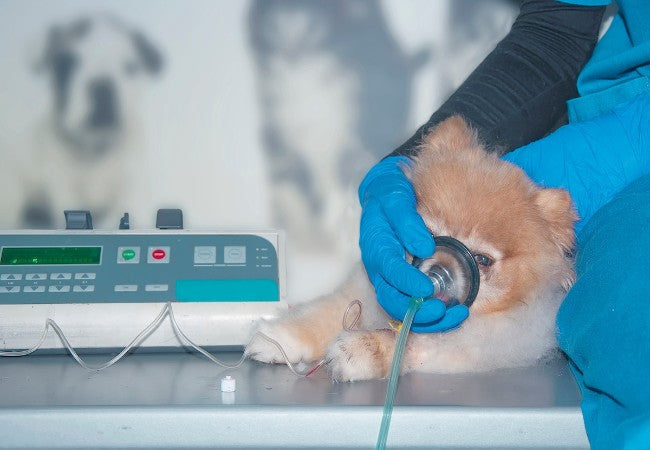
- Provide oxygen and mild sedation during flare-ups or panic episodes.
🔧 Surgical & Interventional Options
- Extraluminal rings: prosthetic rings applied around the trachea—best for neck collapse.
- Intraluminal stents: self-expanding metal stents (e.g., nitinol) to support the trachea—used for severe intrathoracic collapse.
- Both require specialist care; complications are possible (migration, fracture, infection)—usually alongside ongoing medical therapy.
📈 Prognosis & Long‑Term Care
- Medical care controls symptoms in ~70% of cases.
- Progressive disease may require stenting or ring placement for improved function.
- Preventative measures: weight management, harnesses, indoor air quality, and avoiding heat/excitement.
- Regular checkups to monitor response and adjust therapy as needed.
📊 Summary Table
| Stage | Signs | Action |
|---|---|---|
| Mild | Goose‑honk cough | Weight loss, harness, meds |
| Moderate | Cough + exercise intolerance | Add antibiotics, bronchodilators |
| Severe | Respiratory distress, cyanosis | Oxygen + consider stent/rings |
✅ Vet Tips by Dr Duncan Houston BVSc
- 🎯 Switch to a harness to reduce neck pressure.
- ⚖️ Keep dogs lean—obesity worsens symptoms.
- 🏠 Avoid triggers like heat, stress, smoky or dusty environments.
- 🛑 If collapse episode occurs, provide calm, oxygen support, and a vet visit.