


Vet’s 2025 Guide to Hepatoportal Microvascular Dysplasia (MVD) in Dogs – Tiny Vessels, Big Impact🐾
Dans cet article
Vet’s 2025 Guide to Hepatoportal Microvascular Dysplasia (MVD) in Dogs – Tiny Vessels, Big Impact🐾
By Dr. Duncan Houston BVSc
💡 What Is Hepatoportal Microvascular Dysplasia (MVD)?
Hepatoportal microvascular dysplasia (MVD) is a congenital liver condition in dogs where microscopic portal veins are underdeveloped, causing blood to bypass the liver's filtering system. This results in toxin accumulation and metabolic disturbances—even in the absence of visible shunts.
🧬 Breeds & Age at Risk
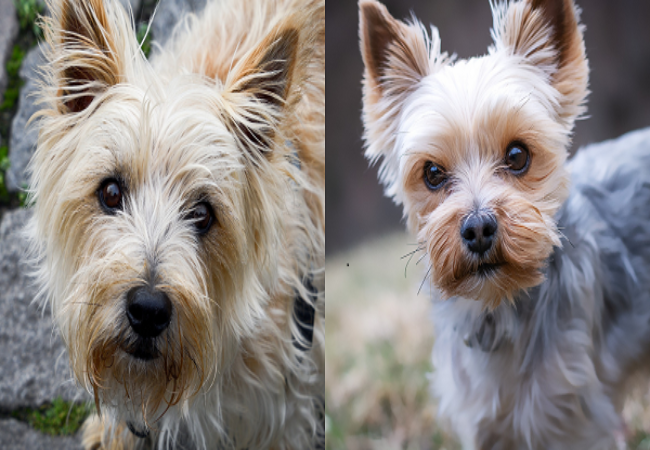
- Breeds: Yorkshire Terriers, Maltese, Cairn Terriers, Shih-Tzus, Pugs, Chihuahuas, Bichons, and several terrier types.
- Age: Detected as early as 4–6 months, but many cases present between 1–4 years.
🩺 Symptoms to Watch For
- Vomiting and diarrhea
- Reduced appetite or picky eating
- Poor weight gain or muscle mass
- Neurologic signs: confusion, tremors, seizures, "wobbly" gait
- Bladder stones or frequent urinary tract infections
🔬 Diagnostic Steps
- Bile acid testing: Pre- and post-meal bile acid levels—elevated values suggest reduced liver processing.
- Bloodwork: Mildly abnormal liver enzymes, low albumin, low cholesterol, or low BUN.
- Ultrasound: Small liver size and reduced portal vein visibility; Doppler can assess blood flow.
- Liver biopsy: Confirmatory test showing underdeveloped microvessels without a macro shunt.
💊 Treatment & Management
- Prescription diet: Moderate-protein, low-fat, highly digestible (e.g., Hill’s L/D or Royal Canin Hepatic).
- Lactulose: Helps trap and eliminate ammonia in the colon.
- Antibiotics: For dogs with signs of hepatic encephalopathy or recurrent infections.
- Supplements: SAMe, milk thistle, zinc, and Vitamin E for hepatic support.
- Avoid hepatotoxic drugs and ensure all medications are dosed appropriately for liver-impaired dogs.
📈 Prognosis
Most dogs with MVD can live normal lives with dietary management and regular monitoring. Severe neurologic or metabolic complications are rare with proper care. Lifelong follow-ups are necessary to maintain wellness and adjust treatment as needed.
📆 Monitoring Schedule
- Bile acids every 6–12 months
- Routine blood panels and urinalysis
- Periodic liver ultrasound in moderate/severe cases
🛡️ Preventive Advice
- Screen high-risk breeds with bile acid tests before 1 year old
- Avoid breeding dogs with confirmed MVD or elevated bile acids
- Use hypoallergenic, easily digestible treats—like Purrz!
📲 Helpful Tools for Owners
- Ask A Vet: Real-time support for liver symptoms, diagnostics, and treatment planning
🌟 Case Study
Case: Bella, a 10-month-old Maltese, began vomiting intermittently and