


Vet’s 2025 Guide to Luxating Patella in Dogs 🩺🐾
Dans cet article
Vet’s 2025 Guide to Luxating Patella in Dogs 🩺🐾
By Dr. Duncan Houston BVSc
Luxating patella—or a dislocated kneecap—is common in dogs, especially small breeds. It causes intermittent limping or a “skip” gait and may progress to persistent arthritis or cruciate injury over time. This comprehensive 2025 guide explains its causes, grades, treatment options, rehab, and long-term care strategies.
1️⃣ What Is Luxating Patella?
The patella normally slides in a groove at the femur’s end. In luxation, it pops out medially (more common) or laterally, causing intermittent skipping or a limp.
2️⃣ Causes & Breeds at Risk
- Congenital/developmental: Shallow trochlear groove, limb misalignment, malformed femur or tibia.
- Genetic predisposition: Especially in toy/small breeds (Maltese, Chihuahua, Pomeranian, Toy Poodle) and some larger breeds like Akitas, Great Danes.
- Trauma: Knee injuries may lead to luxation.
- Obesity Adds pressure and worsens arthritis development.
3️⃣ Grading the Severity
Luxation severity is graded I–IV:
- Grade I: Manual luxation only; spontaneously returns.
- Grade II: Pops out occasionally; self-corrects or manually replaced.
- Grade III: Mostly luxated; needs manual replacement.
- Grade IV: Permanently luxated, no repositioning possible.
4️⃣ Signs & Diagnosis
- Intermittent hindlimb skip, hopping, bunny‑hopping, or sudden limp.
- Cracking or clicking sounds, pain on palpation.
- Bow-legged stance or difficulty extending the knee.
- Physical exam by vet allows grading; X‑rays or CT used for detailed assessment.
5️⃣ Treatment Approach
🐾 Medical Management
- For Grades I–II with minimal symptoms: weight control, NSAIDs (carprofen, Galliprant), joint supplements with glucosamine, MSM, chondroitin.
- Exercise restrictions—no jumping or stairs—to prevent further displacement.
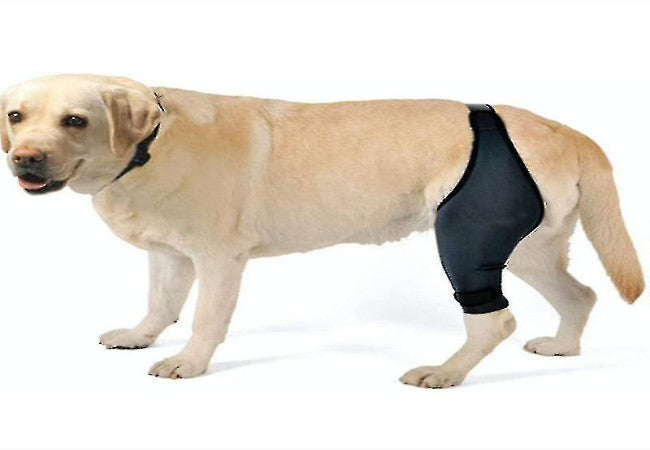
- Physiotherapy and custom knee braces to strengthen muscles and support stabilization.
✂️ Surgical Correction
Recommended for Grades II–IV if symptomatic or recurrent limp. Surgical steps include:
- Sulcoplasty: Deepening the trochlear groove.
- Tibial tuberosity transposition: Realigning tendon attachment.
- Lateral/medial imbrication: Tightening capsule to stabilize the patella.
- Addressing bone deformities in severe Grade IV cases.
6️⃣ Post-Operative Recovery
- Strict rest (crate rest) 6–8 weeks; pain control and NSAIDs essential.
- Controlled physiotherapy afterward to rebuild strength.
- Monitor for complications: implant issues, re-luxation, arthritis, infection.
7️⃣ Long-Term Outlook
- Grade I–II managed medically can do well for years, but arthritis may still develop.
- Post-surgery, prognosis is generally good—especially when performed early—but arthritis may still occur.
- Large/obese breeds with multiple limb deformities have more guarded outcomes.
8️⃣ Prevention & Wellness Tips
- Don't breed dogs known to have luxating patella.
- Maintain an ideal weight to limit stress on joints.
- Prevent trauma with leashing, ramps, and safe floors.
- Routine check-ups, including physical exams and imaging for early detection.
9️⃣ Support During Rehabilitation
- Telehealth via Ask A Vet for in-home follow-up on rehab, meds, and weight management.
- Physiotherapy labs and hydrotherapy can speed up GP regain and joint health.
🔟 When to Call the Vet
- Recurring skipping or limping >3 episodes/month.
- Visible pain when bending the knee or weight-bearing changes.
- No improvement after 4–6 weeks of medical management.
- Post-surgical swelling, discharge, or inability to use the leg.
- Noticeable arthritis, difficulty rising, or multiple joint issues.
🏁 Final Thoughts
Luxating patella is common and manageable. With early recognition, appropriate grading, tailored treatment, and rehabilitation, most dogs live active, pain-free lives. Modern support via Ask A Vet, thoughtful post-op tools, and weight/joint care ensure the best outcome in 2025 and beyond. 🐾