


Vet’s 2025 Guide to Respiratory Parasites in Dogs 🩺 Lungworm, Capillaria & More
Dans cet article
Vet’s 2025 Guide to Respiratory Parasites in Dogs 🩺 Lungworm, Capillaria & More
By Dr. Duncan Houston BVSc
💡 Introduction
Parasitic infestations of the respiratory tract—such as lungworm, Capillaria, Angiostrongylus, Oslerus and more—are an often overlooked but serious cause of coughing, wheezing, sneezing, and even pneumonia in dogs. In 2025, veterinarians will rely on advanced diagnostics and targeted therapies to treat and prevent these infections. This guide walks you through the parasites, clinical signs, diagnostics, treatment, prevention, and how Ask A Vet supports your dog's respiratory health. 🐾🌬️
1. What Are Respiratory Parasites?
These include metastrongyloid nematodes—lungworms that live in airways—or other parasites migrating through respiratory tissue. Common culprits:
- Eucoleus aerophilus (Capillaria aerophila): direct life-cycle, infects trachea & bronchi.
- Oslerus osleri: forms fibrous nodules in trachea/bronchi.
- Crenosoma vulpis: common “fox lungworm” causing chronic cough.
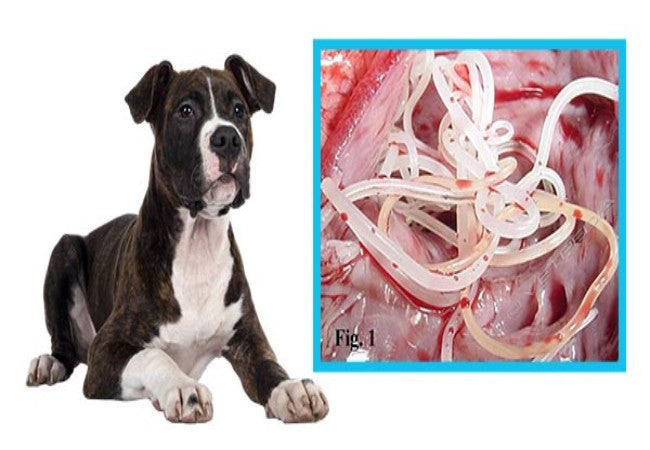
- Angiostrongylus vasorum: “French heartworm” affecting lungs & heart.
- Paragonimus spp.: lung fluke from crayfish ingestion.
2. Who Is at Risk?
- Dogs in rural, wooded, wet regions—foxes, snails, and slugs are common.
- Carnivores or scavenge-feeders ingesting slugs, frogs, crayfish.
- Young, outdoor, hunting or off-leash dogs.
- No breed is immune—rural or suburban pets are at risk too.
3. Clinical Signs ⚠️
Symptoms vary from mild to severe:
- Dry/non-productive cough, sneezing, wheezing, runny or bloody nose.
- Exercise intolerance, fast breathing, harsh lung sounds.
- In advanced cases, pneumonia, dyspnea, behavioral signs if parasites migrate ↔ brain.
- Radiographs may show patchy interstitial or alveolar patterns.
4. Diagnostic Approach in 2025 🧪
4.1 Physical Exam & History
Careful auscultation, cough reproduction, environment, and geographic exposure assessment.
4.2 Fecal & Airway Testing
- Baermann test: detects first-stage larvae from lungworms.
- Fecal flotation: Capillaria eggs.
- Tracheal wash/spit cytology: larvae or eggs for Oslerus, Paragonimus.
4.3 Radiographs & Blood Work
- Chest X-rays: patchy lung patterns visible.
- CBC: eosinophilia suggests parasitic infection.
4.4 Advanced Imaging & Endoscopy
CT or bronchoscopy reveals nodules in Oslerus infections.
5. Treatment Protocols ❤️
- Fenbendazole: 50 mg/kg PO for 10–14 days—broad-spectrum.
- Ivermectin: alternative for Capillaria and Angiostrongylus.
- Praziquantel: for lung flukes (Paragonimus).
- Steroids/NSAIDs: for severe inflammation.
- Antibiotics: for secondary bacterial pneumonia.
6. Supportive Care & Monitoring
- Oxygen, fluids, and nutrients are needed if in respiratory distress.
- Monitor symptoms with Ask A Vet—track breathing, cough, and energy.
- Follow-up fecal tests and repeat imaging to confirm clearance.
7. Prevention Strategies 🔒
- Monthly broad-spectrum dewormers covering lungworms.
- Limit exposure to slugs/snails, crayfish, and frogs (avoid stagnant water).
- Secure outdoor environments with barriers & remove wildlife feces.
- Use repellents safe for dogs to deter gastropods.
8. Prognosis & Long-Term Outlook
- Early cases: full recovery common.
- Severe or chronic cases may cause lasting lung damage or require prolonged therapy.
- Oslerus nodules may persist—endoscopic removal sometimes needed.
9. Ask A Vet—Your Breathing Buddy 🩺
- Track daily cough frequency, breathing changes & appetite.
- Medication reminders ensure full course completion.
- Upload images or videos for respiratory scoring.
- Alerts if severe symptoms develop—access to vet triage anytime.
🔍 Summary Takeaways
- Respiratory parasites—from lungworms to Capillaria—cause cough, wheeze, and pneumonia.
- Diagnosis via fecal/airway testing, imaging, and eosinophilia.
- Treat with fenbendazole, ivermectin, praziquantel, plus supportive care.
- Prevent with dewormers, environment control, and monitoring.
- Ask A Vet offers ongoing respiratory monitoring, medication management, and vet advice.
🩺 Conclusion ❤️
Canine respiratory parasites pose an under-recognized health risk, but with 2025’s diagnostics and treatment options, most dogs recover well. Prevention and proactive monitoring are key. With expert help and Ask A Vet support, you can breathe easier knowing your pup’s lungs are protected. 🐶✨
Dr Duncan Houston BVSc – guiding your dog's respiratory health with science, clarity, and compassion.
Learn more at AskAVet.com and download the Ask A Vet app for tailored management of respiratory parasites, medication reminders, and 24/7 advice. ❤️