


Veterinary Guide to Canine Aspergillosis (Fungal Infection) (2025)🐶
Dans cet article
Veterinary Guide to Canine Aspergillosis (Fungal Infection) (2025)🐶
By Dr. Duncan Houston BVSc
🔍 What Is Aspergillosis?
Aspergillosis is a fungal infection caused primarily by Aspergillus fumigatus. It can occur as:
- Nasal aspergillosis: typically affects sinuses and nasal passages in long-nosed breeds like Collies, Greyhounds, German Shepherds; invades bone and cartilage.
- Disseminated aspergillosis: spreads to lungs, bones, CNS—most common in immune-compromised or German Shepherd dogs.
🔍 Key Signs & Risk Factors
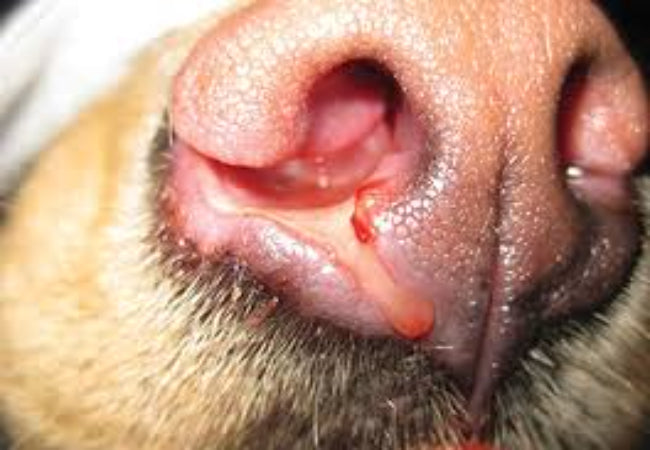
- Nasal form: chronic purulent/bloody discharge, sneezing, nasal pain/swelling, depigmentation, ulcers, occasional epistaxis.
- Systemic form: weight loss, fever, lethargy, lameness, respiratory signs, neurological deficits.
- Predisposed breeds: long-muzzled and immune-labile dogs; nasally affected even if systemically healthy.
🔬 Diagnostic Approach
- Imaging (CT, MRI, radiographs): identify nasal turbinate destruction and check cribriform plate integrity.
- Rhinoscopy/endoscopy: enables direct visualization and fungal plaque sampling.
- Cytology, biopsy, culture: confirm fungal elements from nasal passages.
- Serology and antigen tests (urine/blood galactomannan): useful in systemic forms.
🛠 Treatment Options
🌀 Nasal Aspergillosis
- Topical infusion: Clotrimazole or enilconazole infused under anesthesia into sinuses via nares or trephination using Foley catheters/repeated endoscopic catheter approach; rotates dog to maximize contact.
- Success rates: ~80–90%. May require multiple treatments; visual debridement improves outcomes.
- Follow-up CT and rhinoscopy/cultures ensure resolution; some dogs need retreatment if plaques persist.
🌍 Systemic Aspergillosis or Cribriform Invasion
- Oral antifungals: itraconazole (5–10 mg/kg q24h), fluconazole, voriconazole (3–6 mg/kg q24h), posaconazole, amphotericin B—treat for months to years.
- Combination therapy may include terbinafine; monitor liver enzymes due to hepatotoxicity risk.
- Prognosis: nasal forms are moderate to good; systemic forms carry a guarded to poor prognosis.
📈 Prognosis & Follow‑Up
- Post-treatment nasal improvement is often seen within ~2 weeks; complete cure confirmed by culture/endoscopy.
- Nasal relapse possible, especially if bone destruction extensive.
- Systemic disease: long-term survival rare; some live >1 year with intense treatment.
🛡 Prevention & Supportive Care
- Reduce exposure—avoid dusty, moldy environments; maintain nasal health in at-risk breeds.
- Supportive care: pain control, manage secondary infections, hydration, nutritional support.
- Serious cases with bone erosion may benefit from referral to specialist vet for combined topical/systemic therapy.
🔧 Owner Tools & Support Services
- Ask A Vet App: 24/7 help for nasal signs, treatment decisions, and monitoring protocols 📱
✅ Final Thoughts
Aspergillosis in dogs ranges from treatable nasal infections to serious systemic disease. Nasal forms respond well to topical treatment, while systemic cases need prolonged antifungals with careful monitoring. With early detection, imaging guidance, and owner vigilance using Ask A Vet, many dogs in 2025 can recover or live longer with better quality of life. 🐾❤️
Download the Ask A Vet app today for expert guidance on diagnosis, antifungal therapy, and follow‑up tracking. 📱💡