


Veterinary Guide to Canine Ventricular Tachycardia 2025 🩺🐶
Dans cet article
Veterinary Guide to Canine Ventricular Tachycardia 2025 🩺🐶
By Dr. Duncan Houston BVSc
🧬 What Is Ventricular Tachycardia?
Ventricular tachycardia (VT) is a rapid heart rhythm originating in the ventricles, characterized by ≥3 consecutive ventricular premature complexes at >120‒150 bpm. VT can be non‑sustained (<30 sec) or sustained (>30 sec), and may escalate into ventricular fibrillation or sudden death.
👥 Who Is Affected & Common Causes
- Breeds predisposed: Boxers (ARVC/Boxer cardiomyopathy), Boston Terriers, German Shepherds (juvenile VT), Dobermans, Bulldogs.
- Underlying heart diseases: ARVC, DCM, chronic valvular disease, myocarditis, congenital or acquired structural abnormalities.
- Systemic or metabolic triggers: electrolyte imbalances (K⁺, Mg²⁺), GDV, pancreatitis, toxins, hypoxia.
👀 Clinical Signs
- Syncope or fainting episodes due to poor cerebral perfusion.
- Weakness, exercise intolerance, collapse.
- Signs of CHF (if underlying cardiomyopathy): panting, ascites, coughing.
- Occasionally, asymptomatic VT is found on screening or a Holter.
🔍 Diagnosing VT
- Physical exam & history: intermittent tachycardia, pulse deficits, collapse.
- ECG: confirm VT pattern, rate, morphology (monomorphic vs polymorphic).
- Holter monitoring: 24-hour ECG to measure VT burden and treatment response.
- Echo & thoracic imaging: evaluate heart structure/function, signs of CHF.
- Bloodwork: CBC, chem panel, electrolytes (K, Mg), thyroid testing.
- Advanced imaging: MRI/CT for masses; consider heart biopsy in select cases.
🚨 Emergency Treatment for VT
- IV lidocaine: 2–4 mg/kg slow bolus, repeat every 5–10 min until rhythm stabilizes. Follow with CRI due to short half-life.
- Correct reversible causes: electrolyte correction, oxygen therapy, and treat GDV/pancreatitis.
- Consider electrical cardioversion or defibrillation in unstable cases turning into fibrillation.
- Monitor with continuous ECG and supportive care in the ICU.
🛠️ Chronic VT Management
Antiarrhythmic Medications
- Sotalol: K⁺-K-channel blocker with β‑blocker effects; often first-line in Boxers, 0.5–3 mg/kg BID.
- Mexitil (mexiletine): Sodium-channel blocker, often combined with sotalol or atenolol in refractory VT.
- Atenolol: β-blocker; useful especially with concurrent structural heart disease.
- Amiodarone: For refractory VT; loading dose 8–10 mg/kg BID → maintenance 4–6 mg/kg SID; monitor liver TFTs.
- Amiodarone & sotalol: Both safe and effective in a recent study.
Non‑Drug Options & Adjuncts
- Fish oil & omega‑3 supplements: Antiarrhythmic benefits in ARVC.
- Device therapy: Pacemakers for brady-arrhythmias; ICDs are rare in vet med.
- Consider catheter ablation in refractory human-style persistent VT—an emerging veterinary option.
📈 Monitoring & Prognosis
- Recheck ECG or Holter 2–4 weeks after starting treatment, then every 6–12 months.
- Target ≥85% reduction in VT burden on Holter—correlates with fewer events.
- Prognosis varies: Boxers ARVC—guarded, but manageable; German Shepherd puppies may resolve after 2 years.
- Overall survival: ~50% mortality in untreated VT; with treatment, many live months–years.
🏡 Home Care & Owner Guidance
- Administer medications exactly as prescribed, don’t skip sotalol or mexiletine doses.
- Monitor for side effects: lethargy, GI upset, weakness, signs of CHF.
- Keep a diary of fainting episodes, exercise tolerance, and appetite.
- Avoid strenuous activity until the rhythm is stable and approved by your vet.
📱 Ask A Vet Telehealth Support
- 📷 Upload video/audio of abnormal heart sounds or fainting events for remote assessment.
- 📆 Med reminders: sotalol, mexiletine, fish‑oil supplements, follow-ups.
- ❤️🩹 Integrated Holter scheduling: reminders for ECG reevaluation every 6–12 months.
🎓 Case Spotlight: “Tyson” the Boxer
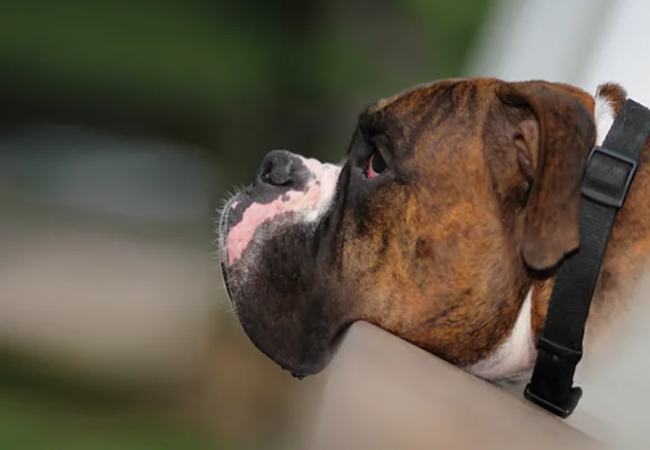
Tyson, a 6-year-old boxer, collapsed three times during play. ECG showed sustained VT at 300 bpm with frequent VPCs—diagnosed with ARVC. He received IV lidocaine in the hospital, then started on sotalol and fish oil. With ≥90% reduction in VT by 4 weeks and no further syncope episodes, Tyson continues on sotalol and dietary management, monitored semi-annually. Ask A Vet alerts keep his heart checks on schedule. 🐕💓
🔚 Key Takeaways
- VT is potentially life-threatening—identifiable by ECG or Holter.
- Emergency treatment with IV lidocaine saves vital minutes.
- Chronic management relies on antiarrhythmics—sotalol, mexiletine, atenolol, or amiodarone.
- Holter follow-up and ≥85% VT reduction correlate with better outcomes.
- Ask A Vet telehealth provides rhythm monitoring, medication support, and dietary advice for long-term success. 🩺
Dr Duncan Houston BVSc, founder of Ask A Vet. Download the Ask A Vet app today for expert telehealth guidance—assessment of syncope, medication tracking, rhythm reviews, and heart-healthy diet support to protect your dog from sudden arrhythmias 🐶📲