


Veterinary Guide to Hydronephrosis in Dogs (2025)🐶
Dans cet article
Veterinary Guide to Hydronephrosis in Dogs (2025)🐶
By Dr. Duncan Houston BVSc
🔍 What Is Hydronephrosis?
Hydronephrosis refers to dilation and swelling of the renal pelvis (and possibly ureter) due to urine buildup caused by partial or complete urinary obstruction. It most commonly affects one kidney, but in rare cases both can be involved, leading to serious complications. 🩺
💡 Causes & Risk Factors
- Obstructive causes: kidney stones, ureteral strictures or ectopic ureters, tumors (renal or trigonal), strictures, fibrosis, perineal hernia, retroperitoneal mass, misplaced ligation during spay/ectopic-ureter surgery.
- Congenital defects: ectopic ureter or ureteral atresia/hypoplasia. Puppies are rarely affected.
- Bilateral hydronephrosis: uncommon; typically due to lower urinary tract issues like prostate enlargement or bladder outlet obstructions.
🚨 Clinical Signs
- Reduced appetite, lethargy, vomiting, diarrhea, weight loss, bad breath, mouth sores.
- Increased thirst and urination (polydipsia/polyuria); occasional urinary incontinence.
- Abdominal or flank pain; palpable distended kidney or bladder.
- Blood in urine (hematuria), uremic signs and electrolyte imbalances in advanced or bilateral cases.
🔬 Diagnosis & Imaging
- Physical exam and history focusing on urinary changes and pain.
- Baseline bloodwork (CBC, chemistry), urinalysis, and urine culture to detect infections, azotemia, hyperkalemia.
- Abdominal X-rays to identify stones, masses, tract anomalies.
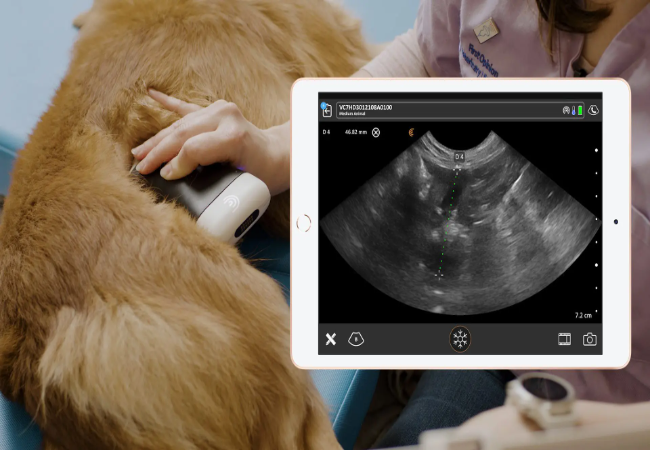
- Ultrasound: gold standard for detecting dilation of renal pelvis/ureter, measuring severity, and identifying obstruction cause.
- Advanced imaging (excretory urography, CT, cystoscopy) for surgical planning or ectopic ureter diagnosis.
🛠 Immediate Management
- Stabilize with IV fluids and correct electrolyte imbalances/electrolyte derangements like hyperkalemia.
- Provide pain relief and treat any concurrent infection with antibiotics guided by culture.
- Relieve urinary obstruction quickly through catheterization, cystocentesis, or cystostomy.
🔧 Definitive Treatment
- Surgery: remove causes such as stones, masses; nephrectomy if kidney is nonfunctional or infected/cancerous; reconstruct congenital tract issues.
- Shock-wave lithotripsy: alternative for breaking up stones.
- Ureteral stenting or pyeloplasty: to restore urine flow in ureter obstruction cases.
📈 Prognosis & Follow-Up
- Recovery depends on duration/severity, kidney function, and cause. Unilateral cases with early intervention have fair to good prognosis.
- Chronic/longstanding cases may sustain irreversible damage even post-obstruction relief.
- Monitor post-treatment every 2–4 weeks: repeat bloodwork, imaging, urine analysis to confirm resolution or detect complications.
🛡 Prevention & Owner Tips
- Manage and prevent urinary stones through diet and hydration.
- Careful surgical technique to avoid ureter damage during spays or ureter surgery.
- Regular checks for urinary signs in at-risk dogs (e.g., those with known ectopic ureters or bladder masses).
- Maintain routine exams and early imaging for persistent urinary symptoms.
🔧 Tools & Support Services
- Ask A Vet App: 24/7 support on signs, emergency stabilization, imaging interpretation 📱
✅ Final Thoughts
Hydronephrosis in dogs signals significant urinary tract obstruction that, if untreated, can cause lasting kidney damage. Early diagnosis with imaging, prompt stabilization, and definitive treatment are essential. Using Ask A Vet,guide timely care and monitoring to preserve kidney health in 2025 and beyond. 🐾❤️
Download the Ask A Vet app today for expert advice on urinary emergencies, imaging decisions, stone prevention, and ongoing kidney care. 📱💡