


Veterinary Guide to Malassezia Dermatitis in Dogs (2025)🐶
Dans cet article
Veterinary Guide to Malassezia Dermatitis in Dogs (2025)🐶
By Dr. Duncan Houston BVSc
🔍 What Is Malassezia Dermatitis?
Malassezia dermatitis is a common skin and ear condition caused by the overgrowth of the yeast Malassezia pachydermatis, which normally lives on canine skin. When skin balance is disrupted—due to allergies, moisture, folds, endocrine issues—this yeast proliferates and triggers inflammation. 🧬
💡 Risk Factors & Predisposed Breeds
- Underlying allergies (atopic, food, flea‑bite)—yeast often secondary to allergic skin disease
- Warm, moist skin environments—skin folds, oily skin, humid climates
- Endocrine disorders like hypothyroidism or hyperadrenocorticism
- Breed predisposition: Poodles, Basset Hounds, West Highland White Terriers, Cocker Spaniels, Dachshunds, breeds with folds
🚨 Clinical Signs
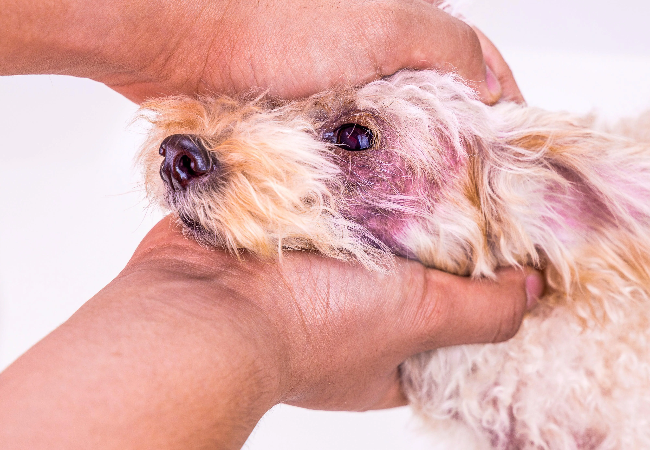
- Itching, redness, greasy or scaly skin, thickened “elephant‑skin” texture, odor, hyperpigmentation
- Commonly affects paws, ears, skin folds (axillae, groin, lips)
- Yeasty smell and frequent ear infections (otitis externa)
🔬 Diagnosis
- Cytology via adhesive tape impression—yeast cells seen under oil immersion confirm the diagnosis
- Culture or biopsy informs deeper or recurrent disease
- Cytological yeast counts vary by breed and site; clinical signs guide treatment decisions
🛠 Treatment Strategies
🌿 Topical Therapy (1st line)
- Medicated shampoos (2% miconazole + 2% chlorhexidine) twice weekly, with ≥10 min contact time
- Alternatives: 3% chlorhexidine shampoo, climbazole mousse—use as directed
- Otic treatments (clotrimazole, terbinafine/betamethasone composite like Duotic) for ear involvement
💊 Systemic Therapy (if needed)
- Ketoconazole or itraconazole: 5–10 mg/kg daily or pulse dosing
- Fluconazole 5–10 mg/kg daily or terbinafine 30 mg/kg daily—often paired with antibiotics if concurrent pyoderma present
📈 Monitoring & Prognosis
- Signs often improve within days; full remission may need 3–6 weeks of consistent treatment
- Recurrence is common—addressing underlying allergies, endocrine issues, and moisture is critical
- For chronic or relapsing cases, periodic cytology ensures ongoing control
🛡 Prevention & Owner Tips
- Frequent bathing with medicated products in at-risk dogs
- Keep skin folds, paws, and ears dry and clean
- Manage allergies or endocrine conditions to prevent flare‑ups
- Use fatty acid supplements (omega‑3/6) to support skin barrier health
🔧 Owner Tools & Support Services
- Ask A Vet App: 24/7 assistance with cytology interpretation, topical regimen advice, and identifying underlying causes 📱
✅ Final Thoughts
Malassezia dermatitis is a common but manageable skin condition in dogs. Early diagnosis via cytology, combined with topical therapy (and oral meds when needed), can bring relief quickly. Long‑term success depends on identifying and managing underlying issues, maintaining dry skin, and regular monitoring. With the support of Ask A Vet, owners in 2025 can confidently control and prevent recurrence of this bothersome condition. 🐾❤️
Download the Ask A Vet app today for real‑time help with yeast diagnosis, treatment decisions, and care routines. 📱💡