


Why Dogs Lick You in 2025: Vet Reviewed Insights into Canine Tongue Behavior 🐶👅
Dans cet article
Why Dogs Lick You in 2025: Vet Reviewed Insights into Canine Tongue Behavior 🐶👅
By Dr. Duncan Houston BVSc
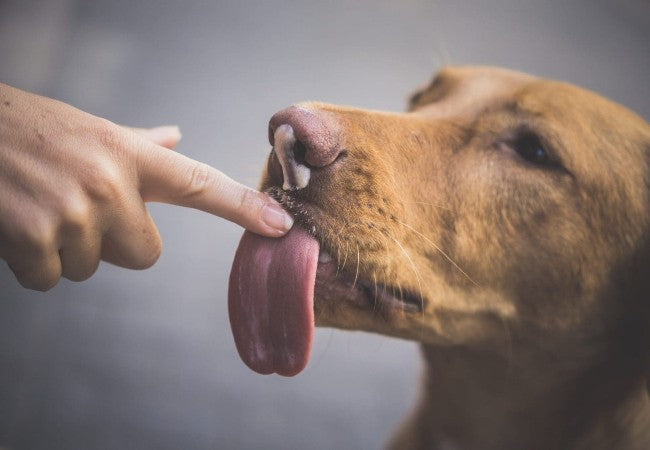
Licking is one of the most common and charming canine behaviors—but why do dogs lick people? From showing love and grooming instincts to calming signals or medical concerns, licking serves multiple roles. As a veterinarian, I'm here to help you understand what’s behind that wet nose-to-skin contact, when it's healthy or worrisome, and how to respond confidently. Let’s explore the science and emotion packed into every lick. 🧠
1. 🐾 Learned Instincts from Puppyhood
Dogs start licking from the moment they're born. Mother dogs lick their pups to clean them and stimulate elimination—establishing licking as a vital tool for care and communication.
- It’s comforting, familiar, and linked to early bonding
- Puppies lick littermates to soothe them or gain approval
2. 💞 Love, Bonding & Pack Behavior
Licking often acts as “dog kisses” 🥰:
- A sign of affection and acceptance—grooming each other to reinforce bonds
- A submission gesture—some dogs lick to publicly accept your leadership
- Pack behavior transferred to humans: wolves lick to greet and appease
3. 👃 Taste & Smell Exploration
Dogs explore the world with their tongues and noses:
- The salt and scent of your skin, sweat, lotions, or food residue can be irresistible
- It’s a multisensory way to learn about you—taste + smell combined
4. 🧼 Grooming, Hygiene & Care
Beyond affection, licking serves grooming purposes:
- Allogrooming—licking to clean coats, fur, or skin—caring as a family gesture
- Wound licking may have antibacterial benefits—but can cause infection if excessive
5. 🧘 Calming & Appeasement Signals
Licking often doubles as a calming signal, aimed at pacifying stress:
- Lip or air licking during new situations shows soothed intent
- Appeasement licking helps defuse conflict or expresses anxiety
6. ✅ Attention-Seeking Behavior
“Look at me!” Licking can be a strategy to gain engagement:
- Dogs learn that licking prompts petting, praise, or play
- They’ll increase the behavior if it's rewarded—positive feedback matters
7. 🍽️ Hunger or Food Requests
Sometimes licking is a mealtime reminder:
- Inherited from puppyhood—licking mothers to stimulate food delivery
- They may lick your hand to ask for treats or show meal readiness
8. 🆘 Boredom, Anxiety & Stress Licking
While occasional licking is normal, compulsive licking may signal issues:
- Bored or stressed dogs release endorphins when licking
- May escalate to self-licking wounds, known as lick granulomas
- Often linked to medical conditions like allergies or digestive upset
9. 🩺 Potential Medical Warning Signs
Excessive licking can also hint at pain, discomfort, or illness:
- Paw licking may suggest irritation, allergies, or injury
- Body licking or overgrooming might signal skin issues or anxiety
- Licking furniture can be redirected discomfort or displacement behavior
- Lip licking can indicate nausea or oral pain
🔎 When to See Your Vet
- Redness, swelling, hair loss or scabs at licking sites
- Licking continues despite environmental or training changes
- Licking disrupts daily life—meals, sleep, play
- Paw licking with limping or chewing wounds
- Licking accompanied by behavior changes—withdrawal, aggression, anxiety
If licking fits these patterns, consult a veterinarian or behaviorist for diagnosis and targeted care.
📋 How to Respond to Different Licking Types
Affectionate licking:
- Enjoy it—it's bonding! Offer gentle petting but set limits if it's too much
Attention-seeking licking:
- Ignore the behavior; praise them when they stop
- Use toys and training to re-channel their need for attention
Stress or calming-licking:
- Provide a calm environment with cues like pheromone sprays
- Give gentle training and confidence-building games
Medical licking:
- Have your vet examine the issue
- Use topical treatments, boots, or cones to prevent injury
- Provide enrichment to reduce compulsive focus
🛍️ Vet-Recommended Tools & Support
- Ask A Vet App: instant access to behaviorists and quick-advice vets
- Protective Booties or Cones: to safely manage licking-related wounds
📌 Key Takeaways
- Licking has many meanings: love, grooming, calming, attention-seeking, or medical alert
- Learn your dog’s context—ask “why now?” when they lick
- Embrace affectionate licking, redirect attention-seeking, and monitor medical signs
- Intervene with care—not punishment; training and environment shape their behavior
- Collaborate with Ask A Vet for persistent, harmful, or confusing licking problems


