


What Is Natural Dog Food? A Vet’s Complete Guide for 2025 🌿🐶
Dans cet article
What Is Natural Dog Food? A Vet’s Complete Guide for 2025 🌿🐶
By Dr. Duncan Houston BVSc
🌱 1. Introduction
The term **natural dog food** often grabs attention on bags and adverts—but what does “natural” really imply in 2025? As your caring veterinarian, I’ll clarify FDA and AAFCO definitions, benefits and limitations, label comparisons, homemade options, shopping advice, plus real-world examples. Let’s explore with compassion and science—no fluff.
2. Defining “Natural” in Dog Food
According to PetMD and AAFCO, “natural” means ingredients come from plant, animal, or mineral sources—unprocessed or minimally processed—without artificial flavoring, coloring, or synthetic preservatives. Trace added vitamins/minerals are allowed to meet nutritional standards, but nothing chemically synthesized.
- Natural: Derived from natural sources, minimal processing, no artificial additives.
- Organic: USDA‑certified; ≥ 95% organic ingredients, grown without synthetic pesticides.
- Holistic: A marketing term without a legal definition or regulation.
3. Is “Natural” Better? Vet Perspective
🍽️ Ingredient simplicity
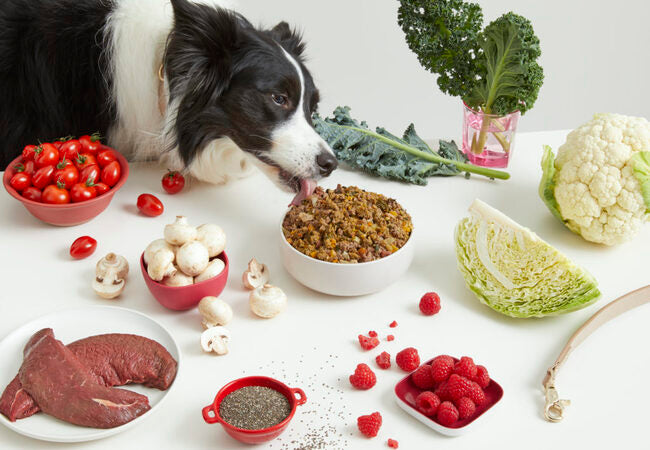
Many families value natural foods for their recognizable ingredients and minimal processing. Some brands even include probiotics or whole foods like pumpkin to support digestion.
⚠️ Nutrition & balance
The key is the AAFCO statement: any food—natural, organic, or conventional—must state “complete and balanced” for life stage, verified by feeding trials or nutrient profiles.
🔬 Scientific evidence
Solid studies comparing natural vs conventional diets in dogs are limited. Some reports suggest higher phytonutrient content in natural diets, but overall health outcomes don’t differ significantly when nutritional needs are met.
4. Benefits & Limitations
| 👍 Benefits | 👎 Limitations |
|---|---|
| Minimal artificial additives, more transparency | “Natural” isn’t tightly regulated—ingredients vary widely |
| Potential improved digestion & skin health | Can still include synthetic vitamins for balance |
| Includes whole-food ingredients and probiotics | Often costlier than standard kibble |
AAFCO compliance remains essential. Without it, natural foods may lack crucial nutrients.
5. Label Scenarios: What to Watch For
- “All‑natural” or “natural”: Acceptable if backed by AAFCO statement.
- “No artificial additives”: Good, but what about preservatives or fillers?
- “Holistic”: Marketing term—dig deeper into ingredients.
- “Organic natural”: If also USDA‑certified, it meets higher standards.
Always read the ingredient list: major items should be named meats or grains. Avoid vague “meat meals,” “animal digest,” or unspecified by-products.
6. Store‑Bought Natural Dog Food: Vet Picks
Vet-recommended brands often combine natural sourcing with AAFCO compliance—they may include organic or non-GMO ingredients but always list full ingredient panels.
- FreshPet Vital – choupets prefer its soft texture & real ingredients.
- Fromm Family Naturals – trusted kibble with named proteins.
- Nutro Natural Choice – budget-friendly with minimal additives.
Look for similar traits: human-grade, named proteins, no synthetic colors, AAFCO statement.
7. Homemade Natural Meals
🍲 Cooked homemade
Naturally-sourced whole foods can be healthier—but require careful formulation. Studies highlight common deficiencies in calcium, vitamin D, E, zinc, and iodine.
🥩 Raw/BARF diets
Raw diets fit the natural ideal, avoiding processing—but come with bacterial risks (e.g., Salmonella, zoonosis) and nutrient imbalances.
✅ Vet guidance essential
Use balanced recipes validated by board-certified nutritionists (e.g., BalanceIT, veterinary formulas) to ensure completeness and safety.
8. Practical Shopping Tips
- ✅ Must have AAFCO “complete and balanced” for your dog’s life stage.
- ✅ Ingredient clarity: named meats, minimal fillers/additives.
- ✅ Check packaging: shelf-stable dry kibble vs refrigerated fresh meals.
- ✅ Vet-formulated or nutritionist-reviewed = quality assurance.
- ✅ Trial small bag: monitor stool, coat, energy over 4–6 weeks.
If helpful, you can supplement natural kibble with organic toppers—broths, fruits, veggies—always watching portion and calories to maintain balance.
9. Real‑World Case Study: Daisy the Dalmatian
Daisy, a 4-year-old Dalmatian with skin allergies, did well on natural kibble with named turkey and oatmeal. She switched gradually to a balanced batch-cooked diet with vet guidance, adding calcium and fish oil. Over eight weeks, she showed better skin, less itching, and healthier stools.
10. Summary Comparison
| Aspect | Natural Food | Conventional Food |
|---|---|---|
| Processing | Minimal, no artificial additives | May include synthetic preservatives/colors |
| Nutrition | Must be AAFCO complete | Also AAFCO complete |
| Cost | Usually higher | Often more affordable |
| Label transparency | Named ingredients, clean list | Variable, sometimes vague |
11. Ask A Vet Support & Resources
- 📱 Ask A Vet App: Connect instantly for personalized food advice, evaluation of labels, and portion guidance.
- 🎓 Nutrition Webinars: Learn how to select or prepare balanced diets, recognize additives, and understand labels.
- 🛠️ Woopf & Purrz Enrichment Toppers™: Vet-formulated boosters—organic broths, freeze-dried proteins for picky eaters.
12. Final Thoughts
Choosing natural dog food in 2025 can reflect your desire for simplicity, transparency, and fewer additives—but it should still meet nutritional standards. Whether you shop natural kibble or cook at home, ensure it's **AAFCO-complete**, monitor your dog’s health, and consult your vet. Real nourishment comes from balanced nutrition, loving care, and informed choices.
Want personalized help? Head over to AskAVet.com or download our app for expert vet guidance available anytime—because every dog deserves wholesome, science-backed care. 🐾💚