


Why Organic Dog Food Matters in 2025: A Vet’s Deep Dive 🐕🌿
Dans cet article
Why Organic Dog Food Matters in 2025: A Vet’s Deep Dive 🐕🌿
By Dr. Duncan Houston BVSc
🌱 Introduction
In recent years, pet owners have become increasingly interested in organic diets for dogs. But what does “organic” truly mean in 2025, and is it right for your pup? As a professional veterinarian, I’ll walk you through certified labels, nutritional science, pros and cons, cost, homemade options, and how to choose wisely—without soundbite hype.
1. Understanding "Organic" in Dog Food
Unlike unregulated buzzwords like “natural” or “holistic,” USDA-certified organic dog food must comply with National Organic Program guidelines. It must contain at least 95% certified organic ingredients to carry the USDA seal, including meat, grains, and produce.
- Natural: no artificial additives, but doesn’t guarantee organic sourcing.
- Organic: regulated by USDA, certified ingredients, minimal synthetic chemicals.
- Holistic: no legal definition—often used for marketing.
2. Nutritional & Health Claims: Myth vs. Vet Facts
🥦 Nutritional content
Though organic foods can have fewer synthetic pesticides, studies show nutrient levels between organic and conventional pet foods are often similar when diet is “complete and balanced”. Pet food manufacturers design formulas to meet AAFCO standards regardless of organic status.
🛡️ Risk of chemical exposure
While organic crops are allowed pesticide-free farming, they may still use naturally-derived pesticides, which aren’t guaranteed safer.
🐾 Digestibility & sensitivities
Some dogs with sensitivities react better to minimally processed organic foods, but this varies by individual.
3. Pros & Cons of Feeding Organic
| 👍 Pros | 👎 Cons |
|---|---|
| Fewer synthetic additives, the potential for better taste | Much higher cost—often 2–3× non‑organic |
| USDA seal ensures stricter standards | Limited brands & product range |
| May benefit dogs with dietary sensitivities | No major proven health advantage when a balanced diet provided |
4. Cost, Budget & Sustainability
In 2025, premium organic pet foods can run 50–100% more expensive per pound. But cost-per-nutrient may compare more closely over time, especially if dogs eat less due to higher digestibility.
If budget is tight, a high-quality conventional “complete” diet offers well-being without breaking the bank. The British Veterinary Association stresses affordability and nutritional adequacy over price alone.
5. Homemade & Raw Organic Diets
🍽️ Organic homemade meals
Home cooking offers ingredient control, but requires balanced formulations with vitamins and minerals. Nutrient gaps are common if not professionally designed—especially calcium, vitamin D.
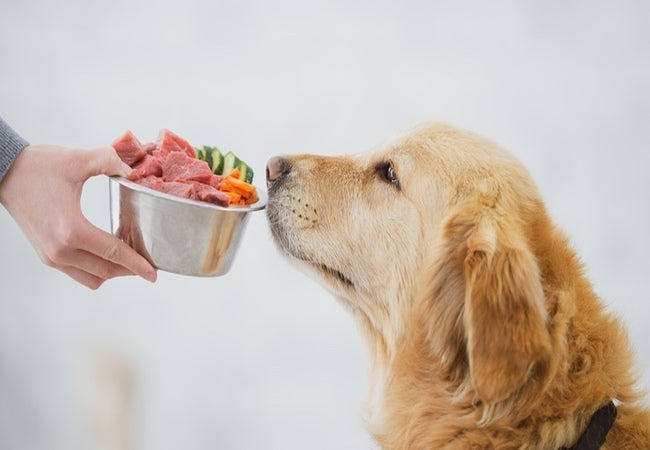
🥩 Organic raw diets
Raw pet feeding may preserve enzymes and improve coat or dental health, but carries significant risks (bacteria like Salmonella, nutritional imbalance). Scientific consensus advises caution.
6. Choosing the Right Organic Dog Food
- Look for a USDA‑organic seal.
- Check the AAFCO statement to ensure food is “complete & balanced.”
- Review ingredient list: recognizable, whole-food items; limited additives.
- Consult your vet. Every dog has unique needs—age, breed, sensitivities, and activity levels.
- Monitor stool, coat, energy, and weight after the switch to assess tolerance and digestibility.
Transition gradually over 7–10 days to avoid stomach upset.
7. FAQs from Pet Parents
Is organic food safer?
It may reduce certain synthetic residues, but balanced conventional diets still meet stringent nutritional and safety standards.
Will my dog live longer with organic food?
No strong evidence links organic-only diets to extended lifespan—overall diet quality, vet care, exercise, and genetics matter more.
Can I mix organic toppers with regular kibble?
Yes! Adding organic bone broth or veggies is a great way to upgrade nutrition affordably.
8. Vet Recommendations & Case Study
Example: Lucas, a 6-year-old Labrador with mild allergies. After switching to USDA-organic kibble plus organic turkey broth, his coat improved, his stool firmed, and itchiness reduced. The transition was slow, with vet-guided testing and rechecks over 6 weeks.
9. Ask A Vet Tools & Support
- 📱 Ask A Vet App: Connect instantly for personalized approvals when switching diets or diagnosing sensitivities.
- 🧩 Training & Nutrition Webinars: Learn to balance homemade meals, understand labels, and calculate portion sizes.
- 🍽️ Woopf & Purrz Organic Toppers™: Vet-formulated organic broths, powders, and bite boosts to complement diets.
10. Practical Checklist for Switching
- ✔️ Confirm USDA seal + AAFCO completeness
- ✔️ Review Ingredients & allergens
- ✔️ Transition slowly with monitoring
- ✔️ Log appetite, stool, coat condition, energy
- ✔️ Vet follow-up in 4–6 weeks
Conclusion
Organic dog food in 2025 offers peace of mind for pet parents seeking natural sourcing and minimal additives—but does not guarantee superior nutrition. A balanced, AAFCO-approved diet—organic or conventional—paired with regular vet care, enrichment, and mindful portions is what truly supports lifelong health. If you choose organic, stay informed, stay balanced, and always consult your vet. 🩺🌿
For personalized guidance and vet-reviewed nutrition plans, head to AskAVet.com or download our app anytime—because your dog deserves care that’s as natural as it is science-backed.