


2025 Vet Guide: Dog Scooting – Why They Drag Their Bottom, Health Causes & What to Do 🐶🏁
Dans cet article
2025 Vet Guide: Dog Scooting – Why They Drag Their Bottom, Health Causes & What to Do 🐶🏁
By Dr. Duncan Houston BVSc
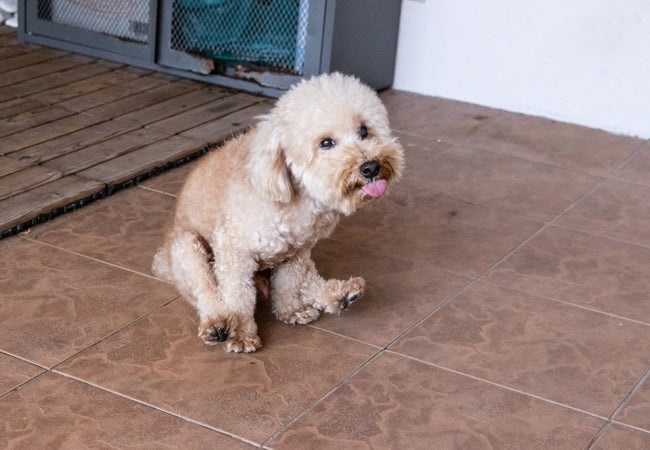
Scooting—or dragging their bottom on the floor—often looks funny, but it's a sign of discomfort around your dog’s rear. In this guide, we’ll explore common causes, red‑flags, and practical care strategies to resolve the behavior swiftly. 🔍
⚠️ 1. What Is Scooting?
Scooting means your dog lowers its rear end and shuffles across the ground—often due to irritation, itchiness, or discomfort in the anus area.
🍂 2. Most Common Causes
- Anal sac/gland problems: Impacted, infected, or abscessed glands are the #1 reason dogs scoot.
- Parasites: Worms (especially tapeworm segments irritating the anus) or fleas may trigger scooting.
- Allergies & skin irritation: Atopic or food allergies can inflame the area; grooming residue may also contribute.
- Foreign bodies or matting: Stuck feces, debris, or hair mats can itch or press against the skin.
- Other causes: Conditions like perianal fistula, tumors, or rectal/anal canal disease, though less common, require attention.
🔍 3. Signs It’s More Serious
Beyond scooting, watch for these red flags:
- Frequent licking or biting of the rear end
- Foul/fishy odor or swelling
- Blood, pus, or discharge
- Pain during defecation or refusal to sit
- Lethargy, loss of appetite, weight loss
Scooting accompanied by any of those signs suggests infection, abscess, or tumor—and needs prompt veterinary care.
🩺 4. Veterinary Check-Up & Diagnostics
- Full history and physical, including rectal exam for gland expression
- Fecal analysis to check for worms
- Skin or allergy testing if inflammation is widespread
- Imaging (X-ray/ultrasound) for masses or fistulas
🛠️ 5. Treatment & Relief
- Anal gland expression: Manual (guided by a vet or trained groomer) to relieve impaction.
- Infection management: Warm compresses, antibiotics, pain meds; severe cases may need surgery.
- Parasite control: Deworming as needed.
- Allergy support: Hypoallergenic diets, omega‑3s, medicated baths.
- Hygiene & grooming: Keep the area clean—regular baths, trimming hair, remove debris.
- Surgical options: Consider anal sac removal or fistula surgery for chronic issues.
🏡 6. Home Care & Prevention
- Clean rear end regularly with warm water or pet wipes
- Offer high‑fiber diet or supplements to ensure firm stools for gland expression.
- Maintain parasite prevention schedule
- Monitor weight and skin condition to reduce gland impaction risk
- Only express glands under veterinary instruction—incorrect attempts can worsen problems.
📱 7. Tools for Monitoring & Support
- Ask A Vet: Use remote triage to determine whether scooting is urgent.
- Woopf: Track episodes, grooming, diet, meds, vet visits.
- Purrz: Log symptoms—scooting frequency, discharge, weight, skin health.
📚 FAQs
Q: My dog scoots occasionally—should I worry?
Occasional grooming scoots aren’t usually serious, but persistent scooting or accompanying symptoms should prompt a vet visit.
Q: Can I express their anal glands myself?
Only if taught and authorized by your vet—improper expression can cause pain or infection.
Q: How often should anal glands be expressed?
Only as needed—most dogs express naturally. High-fiber diet and firm stools often prevent issues; chronic cases may need periodic assistance.
💬 Owner Insight
> “We worried our pug was scooting constantly. After deworming and switching to a fiber‑rich food, she stopped—and we even avoided gland expression!”
🏁 Final Thoughts from Dr Houston
Scooting may seem silly, but it’s your dog’s way of saying “Something doesn’t feel right back there.” In most cases it's manageable with gland care, diet, hygiene, and vet support. More serious causes require prompt diagnosis and treatment. With tools like Ask A Vet, Woopf, and Purrz, you can rapidly identify triggers, track changes, and support your dog’s comfort all year round. 💙🐕🦺
Download the Ask A Vet app for instant scooting triage, hygiene reminders, and expert veterinary advice. 📱
AskAVet.com – Helping dogs feel comfortable from nose to tail.