


Vet‑Approved 2025 Guide: How to Check & Care for Pet Stitches After Surgery 🐶🐱💉
Dans cet article
Vet‑Approved 2025 Guide: How to Check & Care for Pet Stitches After Surgery 🐶🐱💉
By Dr. Duncan Houston BVSc
Post-surgical care can feel overwhelming—but proper monitoring of stitches and incisions is vital for a smooth recovery. In this comprehensive guide by Dr. Duncan Houston BVSc, we cover how to check incisions, recognize normal healing vs. warning signs, manage cones and activity, and enhance recovery using Ask A Vet, support. All the essentials in one continuous, SEO‑ready section with emojis for engagement 😊🏥
🔍 Why Monitor Incisions?
Surgical wounds normally follow a healing progression—from inflammation to proliferation and remodeling. Consistent daily checks help detect issues early, such as infection, wound opening, or suture complications.
🗓️ How Often to Check
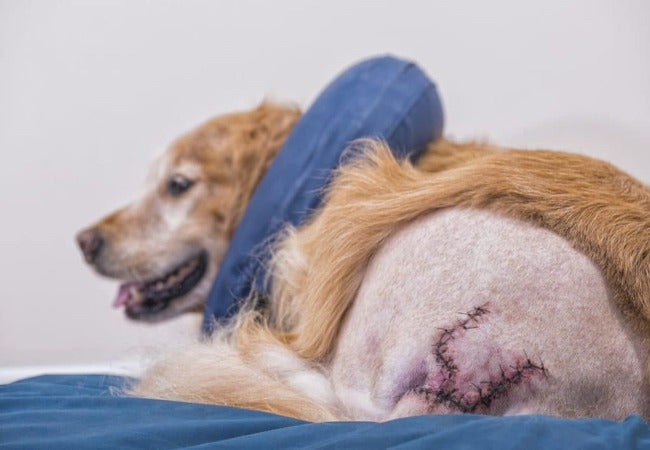
Inspect the incision morning and night for the first 7–14 days. Begin immediately after surgery to establish a baseline, and be extra vigilant if your pet licks or scratches the area. Monitoring the color, swelling, discharge, odor, and temperature is imperative.
✅ What Normal Healing Looks Like
- Days 1–3 (Inflammation): Slight redness, pink edges, mild swelling, possible small bloody spots—edges should remain together.
- Days 4–7 (Proliferation): Pinkness fades, mild scabbing forms, and gentle new skin appears. Some itchiness can lead to licking.
- Day 7+ (Remodeling): Stitches hold well, most redness resolved, scab may drop—but support until sutures are removed.
⚠️ Warning Signs & When to Act
- Worsening redness, especially spreading beyond the incision.
- Moderate to heavy swelling or a raised bump (seroma or infection).
- Pus or foul-smelling discharge—not just clear or light red fluid.
- Sutures loosening, cutting into skin, or unraveling.
- Wound opening or edges pulling apart.
- Fever, lethargy, appetite loss, vomiting or diarrhea alongside incision issues.
If you notice any of these, contact your veterinarian or Ask A Vet immediately.
🔧 Safe Checking Routine
- Choose a calm, well-lit space. Approach gently—your pet may be tender.
- Photograph the incision early (to compare over time).
- Gently part the surrounding hair to examine the skin and sutures.
- Assess color, swelling, warmth, discharge, and stitch integrity.
- Note any changes and compare them with baseline photos or descriptions.
🧼 Cleaning & Dressings
Keep the site clean and dry. Avoid hydrogen peroxide or alcohol—these damage new tissue. Dab around the area with sterile saline or boiled-cool water only if soiled. Dressings are often unnecessary unless directed by your vet.
⏳ Suture & Staple Care
Internal absorbable sutures won't need removal, but external stitches, staples, or tension-relief sutures typically come out at 10–14 days—your vet will advise timing.
🛡️ Preventing Licking & Injury
Hard cones (plastic), soft cones, or recovery suits prevent licking—don’t skip them! Even if your pet ignores the wound, licking introduces bacteria. For more comfort, consider soft options: elastic, padded, inflatable, or bodysuits.
🚶♀️ Activity & Environment
- No off-leash, jumping, or rough play for 7–14 days—longer for larger incisions.
- On-leash walks only, use a crate or a calm environment if active.
- Avoid bathing or soaking until stitches are removed, and dry any accidental moisture thoroughly.
- Prevent slippery surfaces—use mats or carpets to avoid stress on the wound.
🏥 Infection & Fluid Buildup
Seromas (fluid pockets) are common in the first week—a soft lump is okay, but consult your vet if it grows or becomes painful. Signs of infection include swelling, heat, bad smell, discharge, lethargy, or appetite loss—seek veterinary care promptly.
😊 Comfort & Support Tools
- Ask A Vet: Send incision photos, discuss subtle signs, or let us review concerns remotely.
📞 When to Reach Out to Your Vet
- Incision worsens or pets remove stitches.
- Fever, vomiting, lethargy with incision concerns.
- Persistent swelling, seroma, or redness.
- Difficulty moving or clear pain around the wound.
It’s better to ask early—your vet or Ask A Vet can help decide if in-person care is needed.
🏁 Final Thoughts
Careful monitoring of stitches and healing is the foundation of a smooth recovery. With frequent checks, gentle cleaning, proper activity limits, and supportive care—especially with comfort tools from Ask A Vet —most pets heal beautifully. And if you ever worry, we're just a message away. 💖🐾