Bloat in Dogs (GDV): Vet-Approved Causes, Symptoms & Treatments (2025 Guide) 🩺🐾🩸
在本文中
Bloat in Dogs (GDV): Vet-Approved Causes, Symptoms & Treatments (2025 Guide) 🩺🐾🩸
By Dr. Duncan Houston BVSc
As a veterinarian, I occasionally encounter cases of bloat in dogs, a condition that can rapidly become life-threatening. Understanding this condition is crucial for early detection and effective treatment. This comprehensive guide aims to educate pet owners on the causes, symptoms, and treatment options for bloat in dogs.
🧬 What Is Bloat (Gastric Dilatation-Volvulus) in Dogs?
Bloat, medically known as gastric dilatation-volvulus (GDV), occurs when a dog's stomach fills with gas, food, or fluid, causing it to expand. In severe cases, the stomach twists on itself, cutting off blood flow and trapping contents inside. This condition can lead to shock and is fatal if not treated promptly.
⚠️ Symptoms of Bloat in Dogs
Recognizing the signs of bloat early can save your dog's life. Symptoms include:
- 🤢 Retching: Attempting to vomit without producing anything, sometimes with white foam.
- 📈 Abdominal Distension: Noticeable swelling of the abdomen.
- 😟 Restlessness: Pacing, anxiety, or inability to get comfortable.
- 💨 Rapid Breathing: Panting or difficulty breathing.
- 💓 Increased Heart Rate: Elevated pulse.
- 🛌 Collapse: Weakness or inability to stand.
If you observe any of these symptoms, seek emergency veterinary care immediately.
🐾 Causes and Risk Factors
While the exact cause of bloat is unknown, several factors increase the risk:
- 🐕 Breed: Large, deep-chested breeds like Great Danes, German Shepherds, and Standard Poodles are more susceptible.
- 🍽️ Eating Habits: Eating rapidly or consuming large meals.
- 🏃 Exercise: Vigorous activity immediately before or after eating.
- 🧬 Genetics: Family history of bloat.
- 🧓 Age: Older dogs are at higher risk.
🩺 Diagnosing Bloat
Veterinarians diagnose bloat through:
- 🖼️ X-rays: To detect stomach distension and twisting.
- 🧪 Blood Tests: Assessing organ function and electrolyte levels.
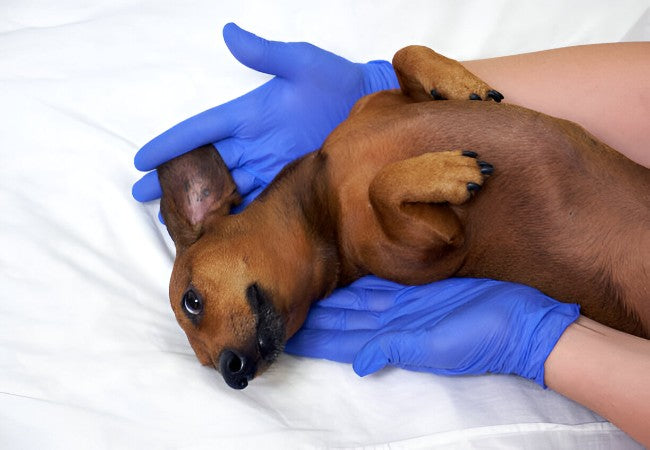
- 🩺 Physical Examination: Checking for abdominal pain and distension.
💊 Treatment Options
Immediate treatment is critical. Options include:
- 💉 Stabilization: Intravenous fluids and medications to manage shock.
- 🧪 Decompression: Relieving pressure in the stomach using a tube or needle.
- 🔪 Surgery: Correcting the stomach's position and removing any damaged tissue. A procedure called gastropexy may be performed to prevent recurrence.
🛡️ Preventing Bloat
While not all cases are preventable, you can reduce the risk by:
- 🍽️ Feeding Smaller Meals: Divide daily food into multiple smaller portions.
- 🐢 Slowing Eating: Use slow-feed bowls to prevent rapid consumption.
- 🛑 Limiting Exercise: Avoid vigorous activity immediately before and after meals.
- 🩺 Preventive Surgery: Discussing gastropexy with your vet, especially for high-risk breeds.
📱 Support and Resources
If you suspect your dog has bloat, seek emergency veterinary care immediately. For additional support:
- Ask A Vet: Access professional veterinary advice through the Ask A Vet platform.
- Download the Ask A Vet App: For quick access to veterinary support, download the Ask A Vet app.
Early diagnosis and appropriate treatment can significantly improve your dog's quality of life.
🐾 For more expert advice and pet care tips, visit AskAVet.com.