


Splenectomy in Dogs 2025: Veterinary Guide 🩺🐾
在本文中
Splenectomy in Dogs 2025: Veterinary Guide 🩺🐾
By Dr. Duncan Houston BVSc
Greetings! I'm Dr Duncan Houston BVSc, veterinarian and founder of Ask A Vet. When a dog’s spleen is severely injured, twisted, bleeding, or affected by a tumor, a splenectomy—removal of the spleen—can be lifesaving. In 2025, this is a routine yet significant surgical procedure requiring careful planning, skilled anesthesia, post-op care, and follow-up. In this guide, we’ll explore when it’s necessary, types, surgical steps, complications, recovery, costs, and long-term outlook—plus how Ask A Vet enhances outcomes. And yes, many dogs live full, healthy lives without their spleen thanks to the body's compensation! 🐶💙
1. 🎯 Why and When Is Splenectomy Needed?
- Splenic tumors (common): benign hemangiomas to malignant hemangiosarcomas; removal prevents rupture or spread.
- Trauma, torsion, rupture: life-threatening bleeding—often emergency surgery.
- Rare reasons: abscesses, severe splenomegaly, and immune hematologic disorders unresponsive to treatment.
Splenectomy can be elective or emergency. Diagnostic imaging and bloodwork guide the decision-making process.
2. 🧠 Types of Splenectomy
- Total splenectomy: full organ removal, most common and safest for hemorrhage control.
- Partial splenectomy: only a portion is removed; rare and indicated when lesions are focal.
Laparoscopic splenectomy may be an option for elective cases, whereas trauma or large masses usually require open surgery.
3. 🏥 Pre-Op Workup & Preparation
- Stabilization: IV fluids, blood transfusion if needed, to secure hemodynamic stability.
- Diagnostic testing: CBC, chemistry, coagulation tests, imaging of abdomen and chest—and sometimes cytology or aspirates.
- Vaccination: In human medicine, splenectomy patients receive pneumococcal and meningococcal vaccines post-op, but this is less common in dogs.
- Client prep: Fasted if elective, and have home care ready: quiet space, e-collar, pain meds, easy food and water access.
4. 🔬 The Surgical Procedure
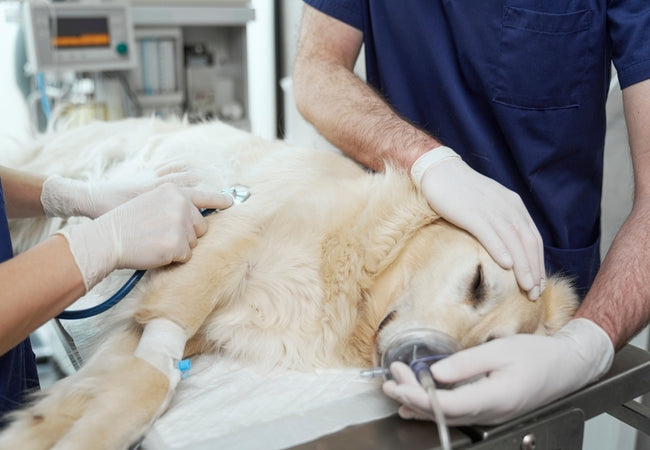
- Anesthesia & monitor: IV catheter, gas anesthesia, ECG, BP, fluids, warming.
- Incision: midline abdomen, accessing the splenic hilus.
- Vessel management: Ligated or stapled carefully, preserving the adjacent organs’ blood supply.
- Remove spleen: Whole or part, then suction bleed/fluid, check for torsion or tumor spread.
- Closure: multiple-layer sutures, drains if bleeding risk, sterile dressing applied.
5. ⚠️ Risks & Complications
- Bleeding: Most common intra/post-op risk—transfusions often required.
- Arrhythmias & hypotension: Monitored closely; ventricular arrhythmias paired with anemia predict mortality.
- Infection & sepsis: Loss of splenic function slightly increases infection risk.
- Damage to nearby organs: Pancreas, stomach—causes pancreatitis or leakage.
- Long-term: Compensatory hematopoiesis occurs, immune risk is modest; watch for GDV risk elevated post-op.
6. 🏥 Aftercare & In‑Hospital Recovery
- Monitor vitals (HR, BP, bleeding), transfusions continue if needed.
- Pain control (opioids, NSAIDs), antibiotics if infection risk.
- Fluid therapy, soft bedding, and restricted activity during hospital stay (usually 24–48 hrs).
7. 🏡 Home Recovery & Monitoring (10–14 Days)
- Activity restriction: No running/jumping for 2 weeks; leash walks only.
- Incision care: Check daily for swelling, discharge, redness; use a cone or recovery suit.
- Pain meds: NSAIDs, tramadol, gabapentin per vet prescription.
- Nutrition: Light meals, hydration, no baths until sutures healed.
- Keep calm & supported: Soft bedding, minimal stress, avoid visitors during healing period.
- Follow-up visit: 10–14 days post-op for exam, suture removal, bloodwork to assess anemia/infection.
8. 📊 Prognosis & Long‑Term Care
- Benign disease: Excellent outlook; many dogs resume full life with no spleen.
- Malignant tumors (e.g., hemangiosarcoma): Median survival 1–3 months; extendable with chemotherapy.
- Follow-up for metastasis: 2 weeks post-op, then Q1–3 months rechecks with labs and imaging.
9. 💵 Cost Expectations
- Elective cases: ~$1,500–2,500 CAD/USD; includes surgery, hospitalization, diagnostics.
- Emergency cases: Can reach $4,000+ depending on transfusions, stabilization, and ICU stay.
- Follow-up costs: Include rechecks, chemo (if cancer), post-op labs, and imaging.
10. 🧩 Ask A Vet: Support Tools
- Ask A Vet: Immediate telehealth consults for post-op bleeding, medication guidance, follow-up planning.
11. 📝 Final Thoughts
Splenectomy is a critical, often life-saving surgery for dogs facing splenic rupture or tumors. In 2025, with advanced surgical techniques, careful anesthesia, and strong aftercare, many dogs recover fully and live happy lives without a spleen. Understanding risks, preparing for recovery, and using tools like Ask A Vet empower owners to support healing effectively. Always follow your vet’s guidance and reach out immediately if concerns arise.