Vet Guide to Cushing’s Disease in Dogs 2025 🐶🩺
在本文中
Vet Guide to Cushing’s Disease in Dogs 2025🐶🩺
By Dr. Duncan Houston BVSc
Cushing’s disease, or hyperadrenocorticism, is a common endocrine disorder in middle-aged and older dogs caused by chronic exposure to high cortisol levels, either due to naturally occurring tumors or long-term steroid therapy.
📍 Types & Causes
- Pituitary-dependent (≈80%): ACTH-secreting pituitary tumor drives adrenal cortisol overproduction.
- Adrenal-dependent (≈15%): Adrenal tumor produces cortisol directly.
- Iatrogenic: Long-term corticosteroid use triggers signs similar to Cushing’s.
⚠️ Classic Clinical Signs
- Polydipsia & polyuria – drinking & peeing often (in 82–91% of cases).
- Polyphagia – increased appetite.
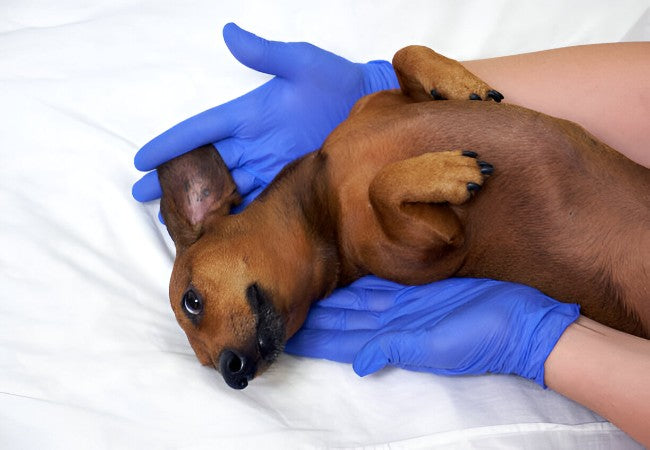
- Pot-bellied abdomen from fat redistribution and muscle loss.
- Panting, lethargy & muscle weakness.
- Dermatologic changes – thin, fragile skin, alopecia, recurrent skin or urinary infections, bruising, calcinosis.
🔬 Diagnostic Workflow
- Blood tests & urinalysis: reveal alkaline phosphatase elevation, dilute urine.
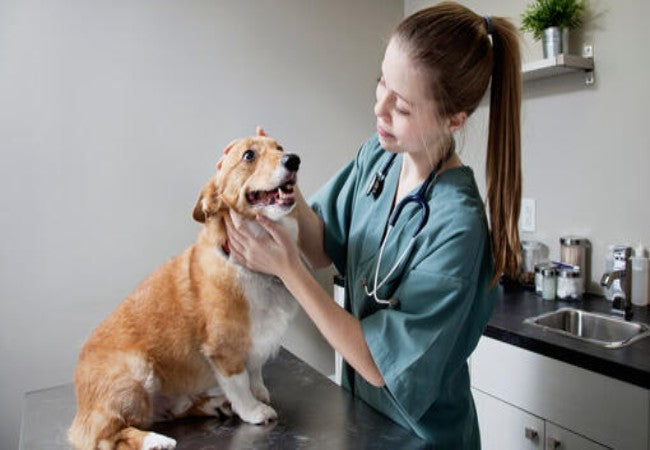
- Screening tests: ACTH-stimulation or low-dose dexamethasone suppression (LDDST) identify cortisol excess.
- Imaging: Abdominal ultrasound or CT to locate adrenal tumors in adrenal-dependent cases.
- Differentiate types: ACTH measurements and imaging help distinguish pituitary vs adrenal causes.
💊 Treatment & Management
-
Medication:
- Mitotane (Lysodren): Adrenal cytotoxic agent, requires monitoring.
- Trilostane (Vetoryl): Modern 3β-HSD inhibitor favored for pituitary and adrenal cases.
- Selegiline (Anipryl): Option for mild pituitary-dependent disease.
- Surgery: Adrenal tumor removal for isolated adrenal-dependent cases; pituitary transsphenoidal surgery is less available.
- Taper steroids: Necessary in iatrogenic cases to allow adrenal recovery.
- Supportive care: Control infections, diet & weight management, skin care, blood pressure, and monitoring of blood glucose/urine.
📈 Prognosis & Lifelong Monitoring
- With medication, many dogs live 2–3 years or more; adrenal surgery may extend survival further—pituitary cases average ~700–900 days.
- Monitor with cortisol levels post-treatment, adjust dosage carefully, and repeat testing recommended quarterly to biannually.
- Watch for complications: diabetes, hypertension, UTI, pancreatitis, and thromboembolic events.
✅ Vet Tips by Dr Duncan Houston BVSc
- 🔍 Consider Cushing’s in any middle‑aged/older dog with PU/PD, pot‑belly, thin skin, or recurrent infections.
- 📆 Use screening tests for initial diagnosis, then follow appropriately with ACTH-stim or LDDST.
- 💊 Choose trilostane for most, consider mitotane or surgery where appropriate.
- 🩺 Monitor clinical response and cortisol levels at 10–14 days after starting therapy.
- 📊 Screen for concurrent conditions—UTIs, diabetes, hypertension—for comprehensive care.
If your dog is showing signs like increased drinking, weight changes, panting, or skin problems—connect via AskAVet.com. Set treatment reminders, track symptoms, 🐾❤️