Veterinary Guide to Exercise‑Induced Collapse (EIC) in Dogs 2025 🐶

在本文中
Veterinary Guide to Exercise‑Induced Collapse (EIC) in Dogs 2025 🐶
By Dr. Duncan Houston BVSc
🔍 Introduction
Exercise‑Induced Collapse (EIC) is a genetic neuromuscular condition that causes otherwise healthy, athletic dogs to suddenly weaken or collapse during or after intense exercise, typically following 5–20 minutes of high‑drive activity. Though alarming, it's often manageable with early detection and proper training adjustments. 🩺
💡 What Is EIC?
- A hereditary disorder from a mutation in the dynamin‑1 (DNM1) gene, affecting neurotransmitter release during strenuous activity.
- Dogs with two copies (homozygous E/E) are affected; carriers (E/N) are asymptomatic but can pass the gene.
- Most episodes occur between 5 months and 3 years of age during intense activity or high excitement.
⚠️ Clinical Signs
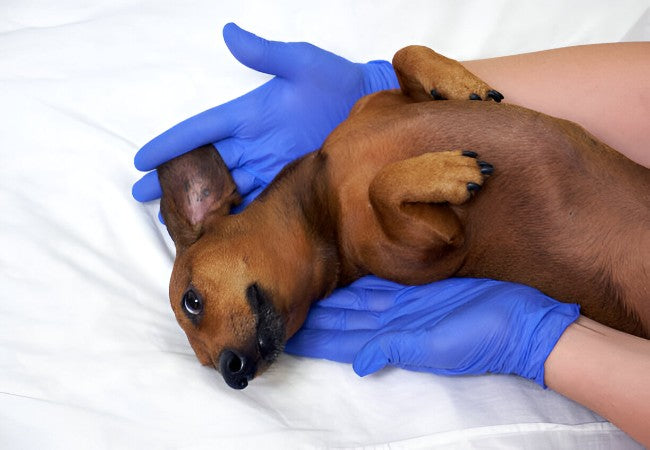
- Initial wobbling or wide-based gait in hindlimbs progressing to collapse.
- Hindlimb dragging and, in severe cases, forelimb weakness; most dogs stay alert and pain-free.
- Episodes last 5–25 minutes, often resolve with rest; elevated body temperature is common but non-specific.
- Rarely, episodes may include disorientation, seizures, or be fatal.
📊 Breeds at Risk
- Labrador Retrievers show the highest prevalence—~6% affected, ~40% carriers in some populations.
- Other susceptible breeds: Chesapeake Bay & Curly-Coated Retrievers, Boykin Spaniels, Cocker Spaniels, Corgis, German Wirehaired Pointers, Old English Sheepdogs, Bouvier des Flandres.
🔬 Diagnosis
- DNA testing for the DNM1 mutation is the gold standard.
- Clinical signs and history support the diagnosis after excluding other causes like cardiac or metabolic issues.
- Routine bloodwork, ECG, imaging, and thyroid panels help rule out other causes.
🛠 Treatment & Management
- Main strategy—avoid triggers: intense exercise, overheating, competition, and stimulation.
- At first sign of wobble—stop activity, cool with water, allow rest.
- Some dogs show fewer episodes after neutering—likely due to reduced excitement.
- Phenobarbital may help reduce excitation in some cases, though not a cure.
📈 Prognosis & Lifestyle
- Excellent if managed—dogs live healthy lives with controlled exercise.
- Avoiding triggers usually prevents collapse; no residual weakness between episodes.
- Regular follow‑up to reassess activity changes and recheck genetic clearance if breeding is considered.
🛡 Prevention & Breeding Advice
- Genetic screening of breeding dogs is essential—do not breed two carriers or affected dogs.
- Breeders should use DNA test results to ensure that at least one parent is clear to prevent affected puppies.
- Educate owners: reduce dropout in field trials, adjust exercise, and manage the environment to avoid triggers.
🔧 Tools & Support Services
- Ask A Vet App: 24/7 veterinary support for interpreting episodes, guidance on safe exercise, and cooling strategies 📱
✅ Final Thoughts
Exercise‑induced collapse is a dramatic but manageable neuromuscular condition. With DNA testing, activity modification, early cooling, and responsible breeding practices, dogs with EIC can enjoy happy, active lives. Tools like Ask AVet, empower owners to confidently support their pet’s well-being in 2025 and beyond. 🐾❤️
Download the Ask A Vet app today for expert guidance on exercise safety, genetic testing, and monitoring your dog’s health. 📱💡