Veterinary Guide to Lymphedema in Dogs (2025)🐶

在本文中
Veterinary Guide to Lymphedema in Dogs (2025)🐶
By Dr. Duncan Houston BVSc
🔍 What Is Lymphedema?
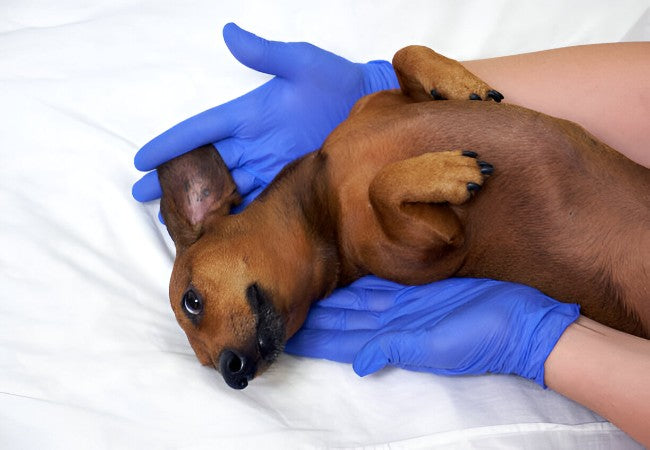
Lymphedema in dogs is swelling from protein-rich lymph fluid collecting in soft tissues due to lymphatic system dysfunction—often seen in limbs, abdomen, genital area, or face 🩺.
💡 Types & Causes
- Primary (congenital): lymphatic malformations (aplasia, hypoplasia, valve issues). Reported in Bulldogs, Poodles, Labradors, Old English Sheepdogs, and English Sheepdogs; often evident as puppies.
- Secondary: damage from trauma, surgery, radiation, infection, cancer (e.g., lymphangiosarcoma), insect or snake bites, heart disease.
🚨 Clinical Signs
- “Water‑balloon” swelling starting distally and progressing proximally; soft and pitting in early stage, becoming firm with chronic fibrosis.
- Usually painless unless heavy or infected; may cause limb heaviness, lameness, and reduced activity.
- Skin thickening, hyperkeratosis, papillomas, and risk of cellulitis or chronic ulcers with long-standing cases.
- High infection risk—protein-rich fluid encourages bacterial growth; rapid response to infection is critical.
🔬 Diagnosis
- History & exam: onset at puppy age suggests primary, whereas acquired follows trauma or surgery.
- Rule out other causes via bloodwork, urinalysis, and tick/heartworm tests.
- Imaging: lymphography (contrast X-ray) is diagnostic gold standard; ultrasound/MRI may help evaluate structure and rule out masses.
- Skin biopsy may reveal lymphatic vessel changes and fibrosis.
🛠 Management Strategies
- No cure, but management focuses on symptom control and infection prevention.
- Compression Therapy: Robert Jones bandages or multilayer wraps applied by vet—promote lymph drainage; trained owners can maintain at home.
- Massage & Exercise: gentle movement, hydrotherapy, and manual lymphatic drainage (human data) support lymph flow and reduce stagnation.
- Infection control: keep skin clean, promptly treat cuts; monitor daily and seek antibiotics at first signs.
- Medications: diuretics and steroids generally contraindicated; benzopyrones and topical agents are under investigation but not routine.
- Surgery: limited use—debulking or excision of fibrotic tissue may help in localized cases; surveys show inconsistent outcomes.
📈 Prognosis & Follow‑Up
- Primary in puppies often has a guarded prognosis; severe cases may require euthanasia.
- Milder or secondary cases may remain stable with lifelong management; infection prevention is key to preserving quality of life.
- Regular check-ups: re-evaluate bandaging technique, monitor for infection, adjust care every 2–3 months.
🛡 Owner Tips
- Daily cleaning and inspection of affected limb(s).
- Keep pets protected from bites, cuts, and trauma.
- Maintain ideal weight to reduce lymphatic workload.
- Consider hydrotherapy to aid fluid mobilization.
- Avoid injections in the affected area to reduce risk of complications.
🔧 Tools & Support Services
- Ask A Vet App: 24/7 stroke-of-brilliance guidance for wrapping, early infection signs, and bandage changes 📱
✅ Final Thoughts
Lymphedema in dogs, though incurable, can often be managed effectively. With gentle compression, hygiene vigilance, and owner engagement supported by Ask A Vet, many dogs live comfortable, infection‑free lives. In 2025, ongoing care is key to preserving mobility and quality. 🐾❤️
Download the Ask A Vet app today for expert support on bandaging, infection alerts, and long‑term lymphedema guidance. 📱💡