


American Pit Bull Guide: Care, Behavior & Health for Loyal Athletes 🐶✨
この記事で
American Pit Bull Guide: Care, Behavior & Health for Loyal Athletes 🐶✨
By Dr. Duncan Houston BVSc
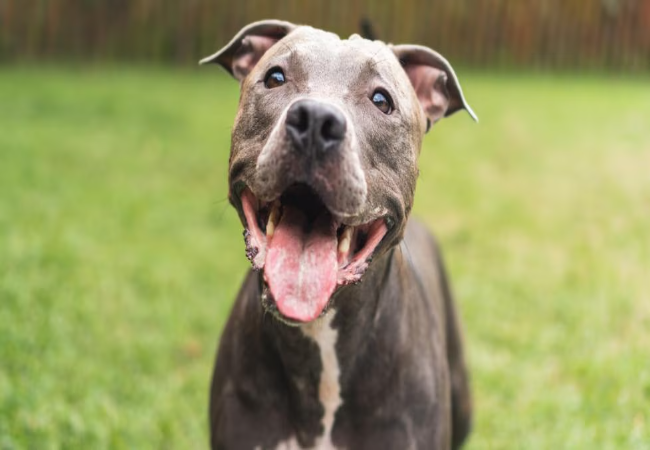
The American Pit Bull Terrier—affectionately known as the "Pit Bull"—is a strong, athletic, and intensely loyal breed. Despite stereotypes, well-socialized and trained PITBs make exceptional family dogs, therapy companions, and working athletes. As a vet, I’ve guided many Pit owners through health, behavior, and lifestyle challenges. Here's your complete, evidence-based guide to seeking the best life for your APBT.
📜 Origins & Physical Traits
- Breed roots: Developed in 19th-century England by crossing Bulldogs and Terriers for farm work and later refined in the U.S.; UKC's first registered breed in 1898.
- Appearance: Medium-sized (18–21" males, 17–20" females); muscular, athletic build with a short, smooth coat; ears may be natural or cropped.
- Weight: Females ~30–50 lb; males ~35–60 lb; compact but powerful.
- Colors: Every hue except merle; coat dense and glossy.
🧠 Temperament & Personality
APBTs are often misunderstood. Here’s what the science shows:
- People-Loving: Bred to be "nanny dogs"—Loyal, friendly, and patient with kids.
- Fearless Athletes: Confident, driven, and energetic—excel in sports like weight-pulling, agility, and dock diving.
- Variable Dog Sociability: Some show dog-dog aggression due to history and poor socialization—individual temperament matters.
- Intelligent & Trainable: Highly food-motivated and eager to learn—respond excellently to positive reinforcement.
🏡 Ideal Home & Lifestyle Fit
APBTs thrive under structure:
- Need at least 60–90 minutes of daily exercise—walking, fetch, trails, or dog sports.
- Enjoy apartment living if adequately exercised and mentally stimulated.
- Flourish in families with consistent presence; unsupervised or left alone can lead to destructive behaviors.
✂️ Grooming & Routine Care
Grooming APBTs is easy—but consistency counts:
- Weekly brushing distributes oils and removes loose fur.
- Bath monthly or as needed—short coat dries easily.
- Clean wrinkles, ears weekly to prevent moisture buildup and infection.
- Trim nails and brush teeth 2–3× weekly for hygiene.
Tip: Use Ask A Vet to set care reminders and monitor any skin or ear issues through photo uploads and logs.
🍽️ Nutrition & Feeding Strategy
- Provide 2–3 cups of high-quality, active adult kibble daily—split into two meals.
- Include joint and skin-supporting supplements if active—fish oil, glucosamine.
- Utilize slow feeders and elevated bowls to prevent gulping and bloat.
- Reserve treats as part of the daily food allowance to prevent weight gain.
- Log weight and body condition monthly—Ask A Vet will flag trends.
🩺 Health Risks & Preventive Care
Lifespan: ~12 years.
- Hip Dysplasia: Screen early with X-rays; emphasize proper weight and joint supplements.
- Skin Allergies: Prone to food and environmental allergies—manage with hypoallergenic diets, baths, and ear care.
- Cardiomyopathy (Myocarditis): ADBA data suggests possible rare heart issues—annual exams recommended.
- Gastrointestinal Upsets: Sensitive GI—limited-ingredient or probiotic diets may help dogs with recurring episodes.
- Breed-Restricted Legislation: Restrictions apply in many jurisdictions—check local laws.
Proactive Health Strategy: Annual vet exams with weight, dental, joint, and allergy testing, plus city-specific compliance (vaccines, muzzling). Use Ask A Vet for automated reminders and journaled updates.
🎓 Training & Socialization
- Start early: Socialize puppies with people, pets, sounds—first 16 weeks are critical.
- Use positive training: Treats, praise, and toy rewards work best.
- Teach impulse control: Training like “sit-watch” and recall helps channel strength safely.
- Enroll in sports: Rally, agility, obedience, and weight-pull match their natural drive.
- Track progress: Keep logs in Ask A Vet for behavior patterns and adjust training accordingly.
🐕 Ideal Owners & Lifestyle Compatibility
✅ Perfect fit: Active singles, families with older kids, owners committed to training and vet care.
⚠️ Risk factors: First-time owners may struggle with misunderstood history, strong prey instinct, and needing strong leadership.
📱 Ask A Vet
- Ask A Vet: Track weight, health, care routines, behavior, licensing—all in one place
⭐ Case Study: “Max the Ambassadog”
Max, a 3-year-old Pit, was often left alone and became destructive. His owner used Ask A Vet to track behavior and implemented:
- Two daily 30-minute walks
- Positive leash and recall training
- Weekly logs shared with me—Max’s aggression decreased, confidence increased over 8 weeks
🧑⚕️ Final Thoughts from Dr Duncan Houston
The American Pit Bull Terrier is a vibrant, loyal, and athletic breed—often misjudged due to misconceptions. With proper training, health care, and enrichment, APBTs thrive as loving family members and working dogs. Use targeted tracking through Ask A Vet.
Next steps? Set up your Pit’s profile in the app, schedule a health check, and plan your first positive reinforcement training session. Let me know if you’d like an infographic or social share copy next!

