


Succulents & Pet Safety (2025): Vet-Approved Toxicity Guide 🐶🐱
この記事で
Are Succulents Poisonous to Pets in 2025? 🐶🐱
By Dr Duncan Houston BVSc
1. Good News: Most Succulents Are Safe
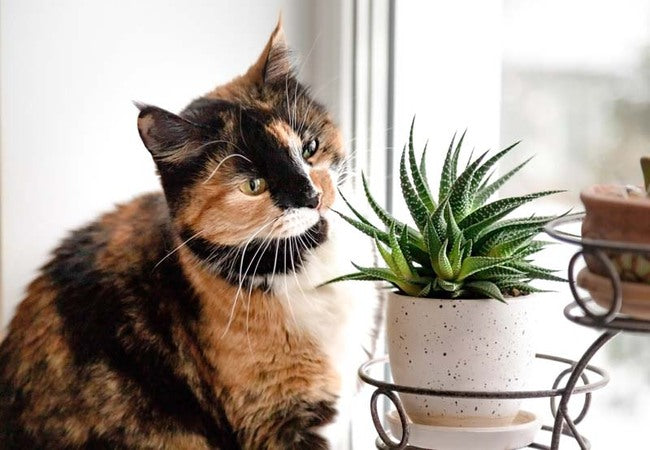
The majority of succulents are non-toxic and even indifferent tasting to pets, as many are mainly water-filled and lack an appealing scent or flavor.
Leaf-nibbling typically leads to mild stomach upset—vomiting, diarrhea—but serious toxicity is uncommon with safe varieties like Echeveria and Sedum.
2. Common Toxic Succulents 🚫
- Kalanchoe (Mother-of-Millions, Devil’s Backbone): contains cardiac glycosides and may cause drooling, vomiting, diarrhea, irregular heartbeat, and weakness.
- Jade plant (Crassula ovata and relatives): mildly toxic—gastrointestinal upset, lethargy; reports show nausea and low heart rate.
- String-of-Pearls (Curio rowleyanus/Senecio): may cause vomiting, diarrhea, drooling, lethargy; sap can irritate skin.
- Euphorbia species (Fire-Stick, Pencil Cactus, Crown-of-Thorns): milky sap is caustic—can burn mouth/skin, cause irritation, drooling, GI upset.
- Aloe vera & Snake plant: though not true succulents, are often grouped—cause vomiting, diarrhea, drooling, lethargy.
3. Recognizing Toxicity Symptoms
Signs often appear within hours of ingestion. Monitor for:
- Gastrointestinal upset – vomiting, drooling, diarrhea
- Behavior changes – lethargy, weakness
- Oral irritation – pawing mouth, red/swollen gums
- Cardiac signs – irregular heartbeat or tremors (especially with Kalanchoe)
Even mild symptoms warrant a vet consultation—better safe than sorry.
4. First Aid Steps
- Remove access—safely move the plant away.
- Note the plant type and amount ingested.
- Contact your vet or pet poison hotline (e.g., ASPCA Animal Poison Control) immediately.
- Do NOT induce vomiting or give home remedies without professional advice.
- Follow vet instructions — may include exam, activated charcoal, fluids, or observation.
5. Prevention & Pet-Safe Choices
- Select non-toxic succulents: Echeveria, Hardy Sedum, Haworthia, and certain Cacti.
- Keep toxic plants out of reach—use suspended planters or closed terrariums.
- Research before buying—check ASPCA or reliable sources.
- Train pets: teach "leave it" around plants; praise for ignoring them.
6. Ask A Vet Support & Tools
- 📱 Ask A Vet App – 24/7 access if exposure suspected; quick vet triage.
- 🎓 Plant-Safety Webinars – learn about pet-friendly plants and safe arrangements.
- 🛠️ Woopf & Purrz Home Safety Kits™ – include plant info cards, training tips, and emergency contact guides.
7. Final Takeaway
In 2025, you can enjoy succulents and keep pets safe with smart plant choices and placement. Most succulents are harmless, but watch for Kalanchoe, Jade, Euphorbia, and related varieties. Observe your pet, act quickly with signs of ingestion, and consult your vet to ensure safety and peace of mind 🪴❤️🐾.
Unsure if your plant is safe? Visit AskAVet.com or open our app—expert vet advice is just a tap away.