






Comprehensive Vet Guide 2025: Vitamin K1 (Phytonadione) for Dogs & Cats 🐾💉
Written by Dr Duncan Houston, BVSc – trusted veterinarian & Ask A Vet founder 👨⚕️🐾
Vitamin K1 (phytonadione) is a fat‑soluble vitamin crucial for creating clotting factors (II, VII, IX, X) in the liver. In 2025, it remains the first‑line antidote for rodenticide poisoning and is vital in treating bleeding from liver disease, bile obstruction, or antibiotic‑induced deficiency. This guide covers how it works, dosing, safety, monitoring, and how Ask A Vet, Woopf & Purrz assist in managing pet bleeding emergencies. 🩺📘
1. Mechanism & Importance
Vitamin K1 enables the liver to activate clotting factors II, VII, IX, and X, essential for normal blood clotting. Without it, pets may bleed uncontrollably :contentReference[oaicite:2]{index=2}.
It is the only effective antidote for anticoagulant rodenticides (e.g., warfarin, brodifacoum) and treats bleeding related to liver dysfunction or malabsorption :contentReference[oaicite:3]{index=3}.
2. Forms & Administration Routes
- Oral tablets/chewables: best absorbed when given with fat—cream, oil, or fatty food :contentReference[oaicite:4]{index=4}.
- Injectable (SC/IM/IV): used in emergencies for rapid effect; SC or IM preferred—IV risks allergic / anaphylactic reactions :contentReference[oaicite:5]{index=5}.
3. Indications & Urgency
- Rodenticide poisoning: critical—bleeding usually starts 2–5 days after ingestion :contentReference[oaicite:6]{index=6}.
- Liver or biliary issues: support when clotting factor production is compromised :contentReference[oaicite:7]{index=7}.
- Antibiotic-induced deficiency: especially after prolonged oral antibiotics :contentReference[oaicite:8]{index=8}.
4. Dosing Guidelines
Rodenticide toxicity:
Emergency injectable start: 2.2 mg/kg SC once, then 1.1 mg/kg SC every 12 hours until bleeding stops, transitioning to oral :contentReference[oaicite:9]{index=9}.
Typical oral: 2.5–6 mg/kg once daily; up to 3 weeks guided by prothrombin time/PIVKA‑II trends :contentReference[oaicite:10]{index=10}.
Oral forms take 6–12 hours to work; injectable works in 24–48 hours :contentReference[oaicite:11]{index=11}.
5. Onset & Treatment Duration
- Injectable: Clotting resumes within 24 hours :contentReference[oaicite:12]{index=12}.
- Oral: Effects begin after 6–12 hours, though full normalization may take days :contentReference[oaicite:13]{index=13}.
- Therapy typically lasts 2–6 weeks depending on rodenticide half‑life and lab results :contentReference[oaicite:14]{index=14}.
6. Side Effects & Risks
- Injection-related: pain, swelling, bleeding; risk of allergic/anaphylaxis if IV or IM :contentReference[oaicite:15]{index=15}.
- Oral administration: well tolerated; rare allergic reactions :contentReference[oaicite:16]{index=16}.
- Overdose risk: In cats can cause red blood cell destruction and anemia—use accurate dosing :contentReference[oaicite:17]{index=17}.
7. Contraindications & Cautions
- Known allergy to phytonadione—use only if benefits outweigh risks :contentReference[oaicite:18]{index=18}.
- Avoid IM/IV routes due to risk of severe anaphylaxis—use SC if necessary :contentReference[oaicite:19]{index=19}.
- Use cautiously during pregnancy/lactation—limited safety data :contentReference[oaicite:20]{index=20}.
8. Drug Interactions
- Oral antibiotics, cimetidine, chloramphenicol, metronidazole, erythromycin: may reduce Vitamin K absorption or metabolism :contentReference[oaicite:21]{index=21}.
- Mineral oil: interferes with uptake—avoid during therapy :contentReference[oaicite:22]{index=22}.
- Warfarin-type drugs: Vitamin K reverses their effects—inform human vets if shared environment :contentReference[oaicite:23]{index=23}.
9. Monitoring & Follow-Up
- Track bleeding symptoms—nosebleed, bruising, blood in urine/stool.
- Lab checks: prothrombin time or PIVKA‑II before stopping oral therapy :contentReference[oaicite:24]{index=24}.
- For rodenticide cases, continue treatment for full expected duration of toxin presence in body.
10. Storage & Handling
- Oral tablets/chewables: room temperature, sealed, away from children/pets :contentReference[oaicite:25]{index=25}.
- Injectables: store per label, protect from light and shake before use.
- Wear gloves; avoid accidental ingestion—especially chewables :contentReference[oaicite:26]{index=26}.
- Safely dispose of used syringes and leftover pills.
11. Role of Ask A Vet, Woopf & Purrz
- Ask A Vet: Emergency dosing guidance, lab interpretation, overdose triage.
- Woopf: Dosing and lab-testing reminders, bleeding symptom logs.
- Purrz: Track pet energy, appetite, bruising, bleeding—share insights with your vet.
12. Pet Owner Experiences
Many families report visible signs of recovery—cessation of bleeding and energy return—within 48 hrs of injectable dose. Chewable tablets are often described as “treat-like” and stress-free to administer :contentReference[oaicite:27]{index=27}.
13. FAQs
🐾 Missed dose—what do I do?
Give as soon as remembered unless it's near the next dose; do not double up—call your vet if unsure :contentReference[oaicite:28]{index=28}.
🐾 Can Vitamin K1 be used long-term?
Only when underlying causes persist (e.g., liver disease or malabsorption). Monitor labs and adjust, stopping once clotting normalizes.
🐾 My pet is bleeding again after treatment—should I restart?
Return to your vet immediately—repeat labs may be needed and oral therapy restarted.
🐾 Can I give with or without food?
Best absorbed with a fatty meal—especially oral forms :contentReference[oaicite:29]{index=29}.
14. Summary Table
| Aspect | Details |
|---|---|
| Drug | Vitamin K1 (phytonadione) |
| Primary Use | Rodenticide poisoning, liver/biliary-related bleeding |
| Forms | Oral tablets/chews, injectable SC/IM |
| Dose | 2.5–6 mg/kg PO daily or 1.1–2.2 mg/kg SC/IM q12h |
| Onset | Injectable: ~24 h; oral: 6–12 h |
| Side Effects | Injection site pain, rare allergy/anemia in cats |
| Monitoring | Prothrombin time/PIVKA‑II, clinical bleeding |
| Precautions | Avoid IV/IM, watch drug interactions, use gloves |
15. Final Thoughts from Dr Duncan
Vitamin K1 remains an essential, lifesaving therapy in 2025 for clotting crises—from rat poison to liver disease. When given promptly, monitored properly, and supported by tools like Ask A Vet, Woopf & Purrz, most pets stabilize and recover fully. Always consult your vet for tailored dosing and follow-up care. 💗🐾
For emergency guidance, lab support, or medication reminders, visit AskAVet.com and download the Ask A Vet app. Your pet’s safety matters—every moment. 🐶📱🐱
This article is general veterinary education and does not diagnose or treat an individual animal. Always confirm medication names, doses and interactions with the veterinarian who knows your pet.
If your animal is struggling to breathe, collapsed, bleeding heavily, seizing, or has eaten something toxic, contact your vet or the nearest emergency clinic now.
Animal Poisons Helpline (AU) 1300 869 738 · Animal Poisons Helpline (NZ) 0800 869 738 · ASPCA Animal Poison Control (US) (888) 426-4435
More from Ask A Vet
For everyday pet care, one scan or tap of the smart pet ID tag opens your pet's free profile on any phone, no app needed; the GPS pet tracker logs live location and activity trends; and the Ask A Vet app keeps your pet's records and routines together.
 QR & NFC Pet ID Tag for Dogs and CatsView ID Tag
The ASK A VET™ Smart ID Tag is a QR scan or NFC tap on any phone, no app needed, with a free profile you can update anytime.
 GPS Pet Tracker for Dogs and CatsView tracker
The ASK A VET™ Tracker logs live location and activity trends, so a change in routine never goes unnoticed.
 Talk to a Vet Online: The Ask A Vet AppExplore the app
Ask questions, speak with vets, and keep your pet's records and routines together with Ask A Vet.
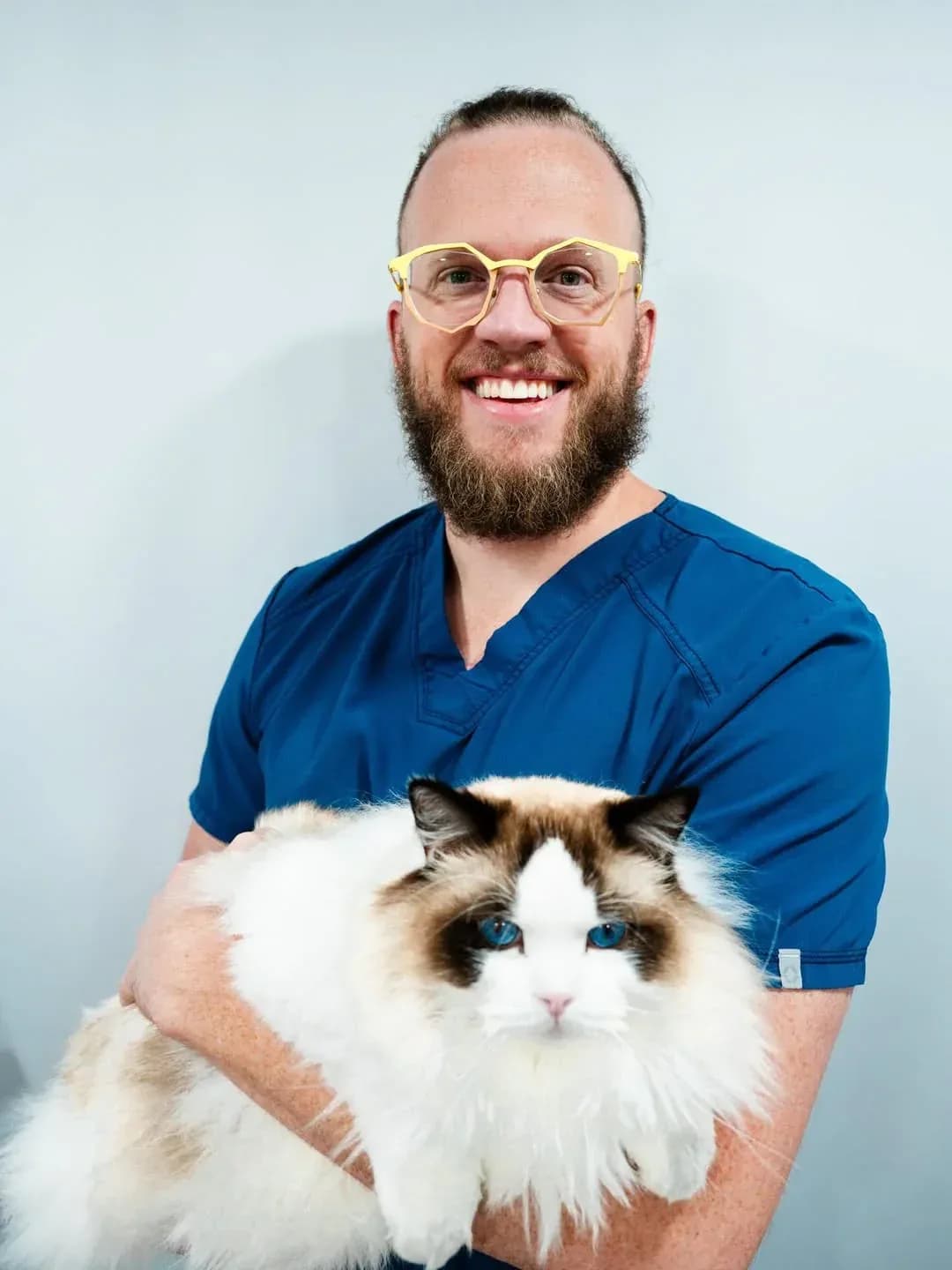
Ask A Vet articles are written by Dr Duncan Houston BVSc, a practising veterinarian, unless another author is named in the byline.