


Feather Plucking in Birds 2025 🪶 | Vet Guide by Dr Duncan Houston BVSc
Feather plucking—also known as feather-picking or pterotillomania—is a troubling, multifaceted issue where pet birds chew, pull, or damage their own feathers. It's alarmingly common (~10% of captive parrots) and can cause lasting harm—from skin lesions to immune suppression. In this comprehensive 2025 guide, we dive into causes, medical protocols, behavioral approaches, enrichment strategies, and when to consult your vet.
1. 🔎 What Is Feather Plucking?
Feather plucking is when a bird intentionally damages or removes its feathers—often starting with chewing and escalating to skin trauma. Early veterinary attention is key; the behavior often worsens without intervention :contentReference[oaicite:3]{index=3}.
2. 🩺 Why Birds Pluck Feathers
2.1 Medical Causes
- Skin disorders: mites, dermatitis, fungal or bacterial infections.
- Allergies or irritants: low humidity, toxins, exposure to scents :contentReference[oaicite:4]{index=4}.
- Internal disease: liver/kidney issues, neoplasia, pain from arthritis or GI disease :contentReference[oaicite:5]{index=5}.
- Parasites or worms: e.g., giardiasis causing itching and absorption issues :contentReference[oaicite:6]{index=6}.
- Viral diseases: PBFD, pox, circo- or bornavirus :contentReference[oaicite:7]{index=7}.
- Nutritional deficiencies: especially vitamin A, overall malnutrition :contentReference[oaicite:8]{index=8}.
2.2 Psychological & Behavioral Causes
- Boredom & lack of stimulation: Birds need hours of foraging and enrichment—when unmet, they often pluck :contentReference[oaicite:9]{index=9}.
- Stress & anxiety: Sudden changes, isolation, loud noises, or dominant cage mates cause distress-triggered plucking :contentReference[oaicite:10]{index=10}.
- Genetic predisposition: Certain species (cockatoos, African greys) or family lines may be more prone :contentReference[oaicite:11]{index=11}.
- Past trauma or imprinting: Poor socialization or hand-rearing can trigger compulsive plucking later :contentReference[oaicite:12]{index=12}.
3. 🧩 Diagnosis: Finding the Root Cause
Work closely with your avian veterinarian to:
- Perform a complete physical exam including skin, beak, and feather follicle assessment.
- Run diagnostic tests: skin scrapings, cultures, fecal exams for parasites, blood panels :contentReference[oaicite:13]{index=13}.
- Screen for viruses such as PBFD :contentReference[oaicite:14]{index=14}.
- Assess environmental factors, stressors, diet, and history.
4. 🩹 Treatment & Management Strategies
4.1 Address Medical Causes
- Treat infections (anti-parasitic, antifungal, antibiotics).
- Support internal disease with fluids, diet, and pain relievers.
- Correct nutritional deficiencies with balanced diet or supplements.
- Manage viruses symptomatically and isolate if contagious :contentReference[oaicite:15]{index=15}.
4.2 Behavioral & Environmental Enrichment
- Add daily foraging tasks: hide pellets in puzzles or pipe feeders—studies show improved plumage with increased foraging :contentReference[oaicite:16]{index=16}.
- Reorganize cage with climbing perches, chew-safe toys, swings, and foot toys.
- Rotate toys, change layout, adjust lighting to reduce monotony.
- Provide safe foraging time outdoors or supervised free-flight.
4.3 Social & Emotional Support
- Ensure companionship—another bird or consistent human interaction.
- Maintain predictable routine for feeding, play, and rest.
- Reduce stress: minimize noise, drafts, and negative interactions.
- Use calming aids like herbal supplements or pheromone diffusers, under vet guidance.
4.4 Physical Barriers & Medications
- As a last resort, use bird-safe collars or wraps—but these don't treat causes :contentReference[oaicite:17]{index=17}.
- Medications, such as antidepressants or antipsychotics (e.g., haloperidol, clomipramine), may be prescribed—but success varies and relapse is common after stopping :contentReference[oaicite:18]{index=18}.
5. 📅 Ongoing Monitoring & Follow‑Up
- Track feather regrowth, behavior, and flare-ups.
- Schedule follow-up vet visits every 4–8 weeks initially.
- Adjust enrichment and medication based on progress.
6. 🚨 Recognizing Severity
- Permanent bald spots, sores, or infection require urgent attention—follicle damage may stop regrowth :contentReference[oaicite:19]{index=19}.
- Self‐mutilation, bleeding, or systemic illness like weight loss or anemia need immediate vet evaluation.
7. 🧠 Why Feels Good & Keeps Going
Feather plucking often becomes a self-reinforcing compulsion—similar to trichotillomania in humans. Even once causes are addressed, the behavior can persist, making long-term strategies essential :contentReference[oaicite:20]{index=20}.
8. 🧭 Owner Checklist: Reversing Feather Plucking
| Step | Your Action |
|---|---|
| Vet Visit | Full exam and diagnostics |
| Medical Treatment | Implement medications/diet fixes |
| Enrichment | Add foraging, toys, flight time |
| Social Interaction | Increase bonding & routine |
| Environmental Safety | Reduce stress factors |
| Monitor Progress | Track regrowth and adjust plan |
9. 🧡 Final Thoughts
Feather plucking is a complex, sometimes heartbreaking condition that demands a compassionate, multifaceted response. By combining veterinary diagnosis, environmental modifications, behavioral enrichment, and emotional support, many birds can stop plucking and begin to heal—though it may take months or even years. Remember: identify the root causes, treat holistically, and proceed with kindness and patience.
— Dr Duncan Houston BVSc
👉 Visit AskAVet.com or download the Ask A Vet app for feather plucking consultations, veterinary referrals, and support tools to restore your bird’s health and happiness. 🐥✨
This article is general veterinary education and does not diagnose or treat an individual animal. Always confirm medication names, doses and interactions with the veterinarian who knows your pet.
If your animal is struggling to breathe, collapsed, bleeding heavily, seizing, or has eaten something toxic, contact your vet or the nearest emergency clinic now.
Animal Poisons Helpline (AU) 1300 869 738 · Animal Poisons Helpline (NZ) 0800 869 738 · ASPCA Animal Poison Control (US) (888) 426-4435
More from Ask A Vet
For everyday pet care, one scan or tap of the smart pet ID tag opens your pet's free profile on any phone, no app needed; the GPS pet tracker logs live location and activity trends; and the Ask A Vet app keeps your pet's records and routines together.
 Hanging QR & NFC Pet ID TagView ID Tag
The ASK A VET™ Smart ID Tag is a QR scan or NFC tap on any phone, no app needed, with a free profile you can update anytime.
 GPS Pet Tracker for Dogs and CatsView tracker
The ASK A VET™ Tracker logs live location and activity trends, so a change in routine never goes unnoticed.
 Talk to a Vet Online: The Ask A Vet AppExplore the app
Ask questions, speak with vets, and keep your pet's records and routines together with Ask A Vet.
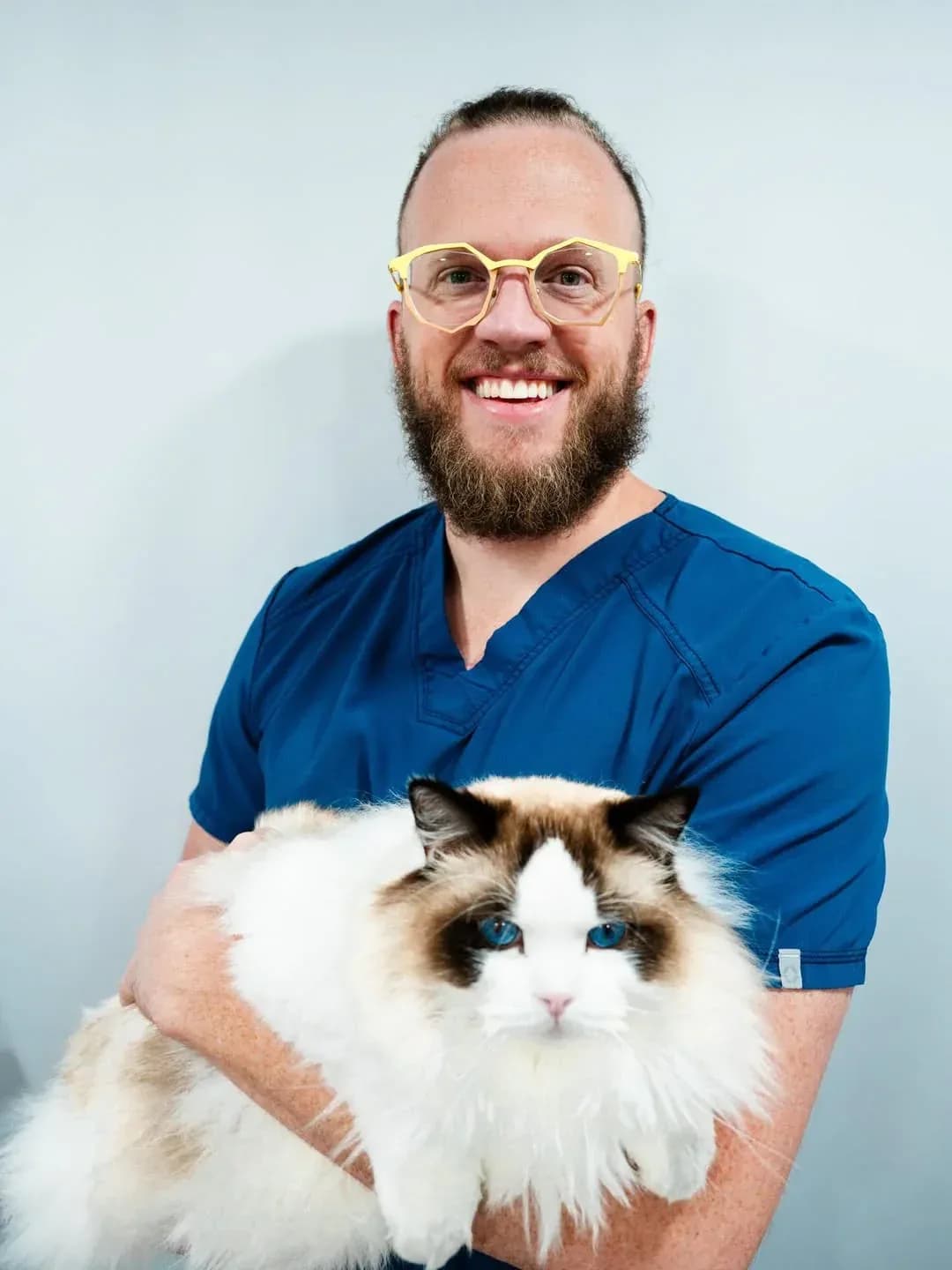
Ask A Vet articles are written by Dr Duncan Houston BVSc, a practising veterinarian, unless another author is named in the byline.