






Maternal Behavior in Cats: A Vet’s 2025 Guide to Queen Care & Concerns 🐾
By Dr Duncan Houston BVSc, founder of Ask A Vet — expert insight into maternal instincts, when things go off‑track, and how to help queens care better for kittens.
🧠 Normal Maternal Instincts
Mother cats instinctively nurture kittens—cleaning, nursing, keeping them warm, stimulating elimination, and moving them to safe spots. These behaviors support kitten health and survival :contentReference[oaicite:3]{index=3}.
- 🧼 **Grooming & cleaning:** Stimulates bowel and bladder function
- 🍼 **Nursing:** Provides essential nutrition and immunity
- 🤲 **Retrieval & protection:** Move kittens to quiet, safe nest zones
- 👂 **Vigilance:** Guards kittens from disturbance or threat
⚠️ Maternal Behavior Problems
Two main issues can arise with queens:
Lack of Maternal Care
- Refusing to nurse or groom kittens
- Aggression toward them—sometimes lethal
- Failing to stimulate elimination or retrieve wandering kittens :contentReference[oaicite:4]{index=4}
Excessive or Misplaced Mothering
- Persistent lactation or swelling of the mammary glands
- Pseudopregnancy in unbred queens—attempting to nurse toys or other kittens :contentReference[oaicite:5]{index=5}
🔎 Why It Happens
Causes of Deficient Maternal Behavior
- Hormonal imbalance: Low oxytocin post-caesarean can impair bonding :contentReference[oaicite:6]{index=6}
- Stress & environment: Loud noises, interruptions, other animals may cause avoidance :contentReference[oaicite:7]{index=7}
- First-time or older queens: Inexperience or fatigue can interfere with care :contentReference[oaicite:8]{index=8}
Causes of Excessive Maternal Behavior
- Misfiring hormone levels—pseudopregnancy :contentReference[oaicite:9]{index=9}
- Spaying during estrus—triggering false pregnancy signs :contentReference[oaicite:10]{index=10}
📋 Identifying Symptoms
- Queens that avoid nursing, bite kittens, or relocate them repeatedly
- Pretending to nurse inanimate objects, persistent milk production
- Physical exam may show enlarged udders or injuries in kittens
🛠️ Diagnosis & Vet Evaluation
Vets will conduct:
- Comprehensive exams and blood work (looking at hormones, infection, pain)
- Observation of queen–kitten interactions
Medical causes like mastitis, pain, or infection must be ruled out before attributing behavior to psychological or hormonal reasons :contentReference[oaicite:11]{index=11}.
✔️ Management Strategies
Supporting a Deficient Queen
- Separate kitten care: manually stimulate elimination, feed kitten formula if necessary
- Provide a quiet, dim, warm environment—reduce stressors :contentReference[oaicite:12]{index=12}
- Supplement oxytocin or prolactin if recommended by your vet :contentReference[oaicite:13]{index=13}
- Monitor queen’s physical condition and weight of kittens daily
Managing Excessive or False Maternal Behavior
- Remove kits or objects being nursed
- Delay spaying until pseudopregnancy wanes
- Consult vet about prolactin inhibitors like cabergoline :contentReference[oaicite:14]{index=14}
When Support Isn’t Enough
If aggression continues, vets may recommend:
- Temporary separation using cages or gated safe zones :contentReference[oaicite:15]{index=15}
- Use of e-collars to prevent nursing until behavior normalizes
- Behavior modification via gradual, supervised reunions
- Rehoming kittens if queen remains ineffective despite intervention
🌱 Recovery & Prevention
- Spaying queens with maternal issues to prevent recurrence in next heat :contentReference[oaicite:16]{index=16}
- Providing peace, nutrition, and age-appropriate kitten litters
- Avoid breeding at extremes of reproductive age
- Evaluate lineage before breeding—genetic maternal problems often recur :contentReference[oaicite:17]{index=17}
📊 Quick Reference Table
| Issue | Symptoms | Vet‑Approved Actions |
|---|---|---|
| Miss‑mothering | Neglecting, abandoning, attacking kittens | Separate kittens, oxytocin/pl-like support, quiet nest |
| Pseudopregnancy | Lactation, nursing objects | Remove triggers, delay spay, possible medication |
| Mild stress | Nervous shoreting, poor grooming | Reduce disturbance, improve nesting, enrich environment |
💡 Practical Tips for Owners
- Always observe queen–kitten interactions initially and intervene if things get aggressive
- Provide a secure birthing space: quiet room, comfy bedding, minimal traffic
- Keep nutritional needs high—nursing queens burn thousands of kilocalories daily :contentReference[oaicite:18]{index=18}
- Consult your vet promptly at first sign of maternal trouble
- Plan spay/neuter timing carefully post-lactation
🧡 Final Thoughts from Dr Houston
Mothering issues in queens can be complex and emotionally taxing—but with the right environment, veterinary support, and sometimes medical intervention, most cats settle into healthy maternal routines. When problems persist, Ask A Vet is here—through our site or app—for tailored guidance, reassurance, and expert help. 🐱🤱
🩺 Visit AskAVet.com and download the Ask A Vet app for expert support anytime! 📱
This article is general veterinary education and does not diagnose or treat an individual animal. Always confirm medication names, doses and interactions with the veterinarian who knows your pet.
If your animal is struggling to breathe, collapsed, bleeding heavily, seizing, or has eaten something toxic, contact your vet or the nearest emergency clinic now.
Animal Poisons Helpline (AU) 1300 869 738 · Animal Poisons Helpline (NZ) 0800 869 738 · ASPCA Animal Poison Control (US) (888) 426-4435
More from Ask A Vet
For everyday pet care, one scan or tap of the smart pet ID tag opens your pet's free profile on any phone, no app needed; the GPS pet tracker logs live location and activity trends; and the Ask A Vet app keeps your pet's records and routines together.
 QR & NFC Pet ID Tag for Dogs and CatsView ID Tag
The ASK A VET™ Smart ID Tag is a QR scan or NFC tap on any phone, no app needed, with a free profile you can update anytime.
 GPS Pet Tracker for Dogs and CatsView tracker
The ASK A VET™ Tracker logs live location and activity trends, so a change in routine never goes unnoticed.
 Talk to a Vet Online: The Ask A Vet AppExplore the app
Ask questions, speak with vets, and keep your pet's records and routines together with Ask A Vet.
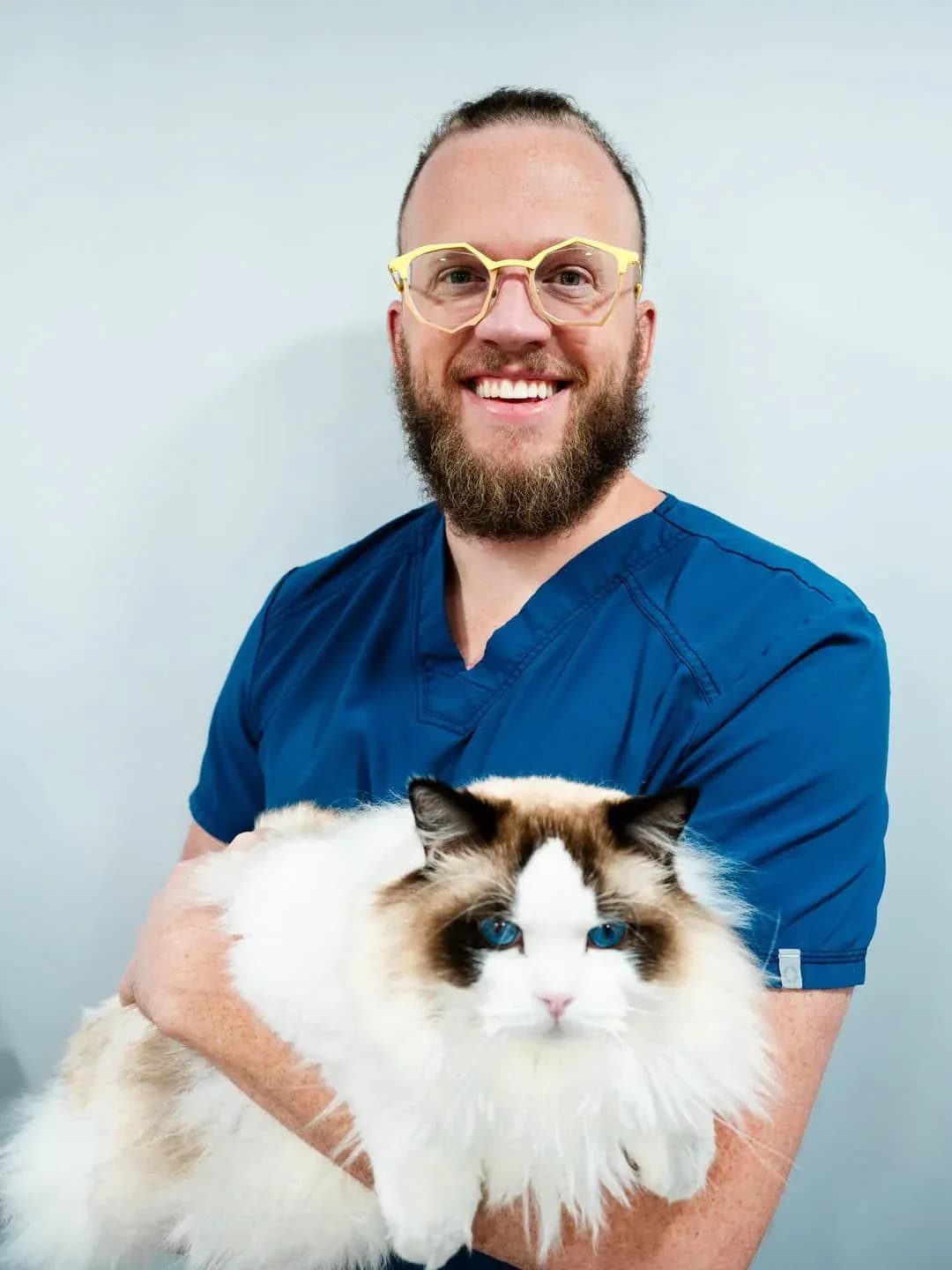
Ask A Vet articles are written by Dr Duncan Houston BVSc, a practising veterinarian, unless another author is named in the byline.