


Senior Cat Nutrition: Vet‑Approved 2025 Guide to Meeting Older Feline Needs 🐱🥣
Hello caring cat parents! I’m Dr Duncan Houston BVSc, founder of Ask A Vet. As cats age, so do their nutritional needs. In this 2025 vet‑approved guide, we’ll explore how to fine-tune calories, protein, fats, hydration, digestibility, and targeted diets—ensuring your senior cat stays robust, comfortable, and thriving in their golden years. 🐾✨
---1. 📊 Adjusting Calories & Meal Frequency
- Senior cats often need **20–25% fewer calories** unless underweight or ill :contentReference[oaicite:3]{index=3}.
- However, cats over ~12 years may require **equal or increased energy** due to decreased absorption and muscle loss :contentReference[oaicite:4]{index=4}.
- **Smaller, frequent meals** (2–4/day) help digestion and let you monitor appetite :contentReference[oaicite:5]{index=5}.
2. 🥩 High-Quality, Highly Digestible Protein
- Senior cats digest protein less efficiently (~20% drop); choose **highly digestible sources** like chicken, turkey, salmon :contentReference[oaicite:6]{index=6}.
- Maintain **≥35% crude protein (dry matter basis)** to support muscle; adjust if kidney disease is present :contentReference[oaicite:7]{index=7}.
- Monitor muscle mass—loss without illness often needs dietary adjustment :contentReference[oaicite:8]{index=8}.
3. 🧈 Healthy Fats & Anti‑Inflammatory Omegas
- Include **digestible fats** for energy—keep total fat balanced for weight management :contentReference[oaicite:9]{index=9}.
- Boost **omega‑3 (EPA/DHA)** for arthritis, cognition, and immune function; likely beneficial in senior diets :contentReference[oaicite:10]{index=10}.
4. 💧 Hydration & Food Texture
- Seniors may fail to drink enough—wet food supports hydration and easier eating :contentReference[oaicite:11]{index=11}.
- Serve wet food **at room temperature** to enhance smell and palatability :contentReference[oaicite:12]{index=12}.
- Offer **multiple water stations**, use wide bowls and fountains for comfort :contentReference[oaicite:13]{index=13}.
5. ❤️ Antioxidants, Vitamins & Cognitive Support
- Older cats benefit from **vitamins C/E, beta‑carotene** to fight free radicals :contentReference[oaicite:14]{index=14}.
- Add antioxidants and **omega‑3s** to support brain and cognitive health :contentReference[oaicite:15]{index=15}.
- Look for added **vitamin E** in senior diets to prevent oxidative nerve damage :contentReference[oaicite:16]{index=16}.
6. 🏥 Disease‑Specific Diet Considerations
If your cat has chronic conditions, tailor nutrition accordingly:
- Kidney disease: Low phosphorus, moderate protein to reduce kidney strain :contentReference[oaicite:17]{index=17}.
- Heart conditions: Low sodium, maintain quality protein :contentReference[oaicite:18]{index=18}.
- Cognitive dysfunction: Enhanced antioxidants, EPA/DHA, B vitamins :contentReference[oaicite:19]{index=19}.
- Cancer: High calories, omega‑3s, antioxidants to maintain weight and reduce inflammation :contentReference[oaicite:20]{index=20}.
7. 🧩 Selecting Prescription vs Maintenance Diets
- For healthy seniors, choose **complete & balanced adult or senior diets** meeting AAFCO guidelines :contentReference[oaicite:21]{index=21}.
- If health issues are present, use **veterinary therapeutic diets** suited for CKD, cardiac, or cognitive care :contentReference[oaicite:22]{index=22}.
- Follow **transition protocol** over 7+ days to avoid digestive upset :contentReference[oaicite:23]{index=23}.
8. 🧪 Monitoring & Regular Vet Check‑Ins
- Track **body condition and muscle score** monthly to guide calorie and protein adjustments :contentReference[oaicite:24]{index=24}.
- Have **routine bloodwork (CBC, chemistry, SDMA)** every 6–12 months to assess organ health and diet effectiveness :contentReference[oaicite:25]{index=25}.
- Watch behavior—dehydration, poor coat, digestion issues may signal diet inadequacy.
9. 🍽️ Feeding Tips & Senior Comfort
- Use **shallow or elevated bowls** to support dental or mobility discomfort. Elevated bowls aid posture :contentReference[oaicite:26]{index=26}.
- Offer **warm food toppers** (broth, tuna juice) to entice picky seniors.
- Provide **multiple small meals or timed feeding** to maintain consistent energy intake.
- Consider **supplements** (fish oil, antioxidants)—but discuss with your vet first.
🔟 Vet’s Final Takeaways
- Senior nutrition requires personalized attention—balanced calories, protein, fat, hydration, and antioxidants.
- Prioritize highly digestible ingredients and frequent small meals.
- Therapeutic diets may be needed if chronic disease exists; maintenance diets are fine for healthy elders.
- Monitor body condition, health markers, and behavior to tweak diet over time.
- Seek 6–12‑month vet evaluations to catch early changes and support quality of life.
- Ask A Vet is here 24/7 to help you develop tailored meal plans, supplement guidance, feeding tools, and health monitoring—ensuring senior cats live vibrantly in 2025 and beyond! 💙
📣 Call to Action
Need a personalized nutrition plan for your senior cat? Visit AskAVet.com or download the Ask A Vet app—our team can build a daily feeding strategy, adjust prescription diets, choose enrichment foods, and support senior health tracking. Help your kitty enjoy golden years with vitality! 🐾✨
Here’s to nourished tummies, soft coats, and joyful purrs into every senior season! 🐱❤️
This article is general veterinary education and does not diagnose or treat an individual animal. Always confirm medication names, doses and interactions with the veterinarian who knows your pet.
If your animal is struggling to breathe, collapsed, bleeding heavily, seizing, or has eaten something toxic, contact your vet or the nearest emergency clinic now.
Animal Poisons Helpline (AU) 1300 869 738 · Animal Poisons Helpline (NZ) 0800 869 738 · ASPCA Animal Poison Control (US) (888) 426-4435
More from Ask A Vet
For everyday pet care, one scan or tap of the smart pet ID tag opens your pet's free profile on any phone, no app needed; the GPS pet tracker logs live location and activity trends; and the Ask A Vet app keeps your pet's records and routines together.
 Hanging QR & NFC Pet ID TagView ID Tag
The ASK A VET™ Smart ID Tag is a QR scan or NFC tap on any phone, no app needed, with a free profile you can update anytime.
 GPS Pet Tracker for Dogs and CatsView tracker
The ASK A VET™ Tracker logs live location and activity trends, so a change in routine never goes unnoticed.
 Talk to a Vet Online: The Ask A Vet AppExplore the app
Ask questions, speak with vets, and keep your pet's records and routines together with Ask A Vet.
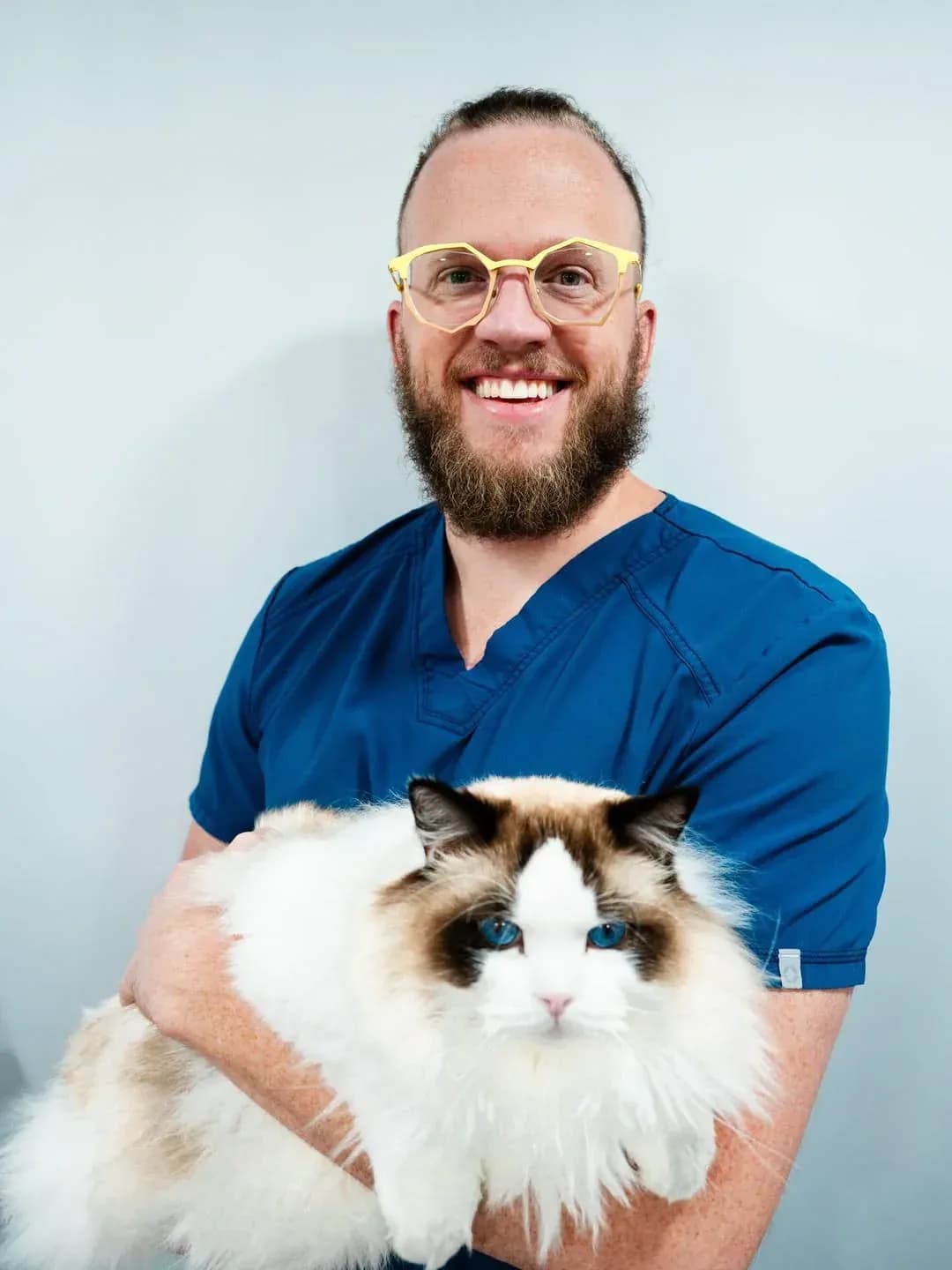
Ask A Vet articles are written by Dr Duncan Houston BVSc, a practising veterinarian, unless another author is named in the byline.