






Vet-Approved Guide: The Purrfect List of Homemade Cat Treat Recipes 🐱🍪
Written in the veterinary voice of Dr Duncan Houston BVSc 🩺🐱
There’s something deeply satisfying about making treats for your cat at home 🐱💚. Whether it’s the joy of watching them sniff curiously, the reassurance of knowing exactly what’s in their food, or the bonding that happens during treat time, homemade cat treats can be a wonderful addition to your feline’s routine.
As a veterinarian, I’m often asked whether homemade treats are actually healthier than store-bought options. The answer is: they can be—when they’re made with the right ingredients, in the right portions, and with feline biology firmly in mind.
This vet-approved guide shares the purrfect list of homemade cat treat recipes, along with essential safety tips, nutritional guidance, and practical advice to help you treat your cat without compromising their health 🐾✨.
Why Homemade Cat Treats Can Be a Great Choice 🐾🏡
Cats are obligate carnivores, meaning their bodies are designed to thrive on animal-based nutrition 🥩🐱. Many commercial treats are heavily processed and may contain unnecessary fillers, carbohydrates, or artificial additives.
Homemade treats allow you to:
- 🍗 Control ingredient quality
- 🚫 Avoid artificial colors, flavors, and preservatives
- 🐱 Tailor treats to sensitive stomachs
- 💚 Strengthen the human–cat bond
When used thoughtfully, homemade treats can complement a balanced diet and provide enrichment without excess calories.
Important Nutrition Rules for Cat Treats 🧠🐱
Before diving into recipes, it’s important to understand a few non-negotiables of feline nutrition.
Golden Rules
- 🥩 Animal protein should always be the main ingredient
- 🍠 Carbohydrates should be minimal
- 🧂 No salt, seasoning, or additives
- ⚖️ Treats should make up less than 10% of daily calories
Vet Tip 🩺: Treats are supplements to a complete diet—not replacements for meals.
Ingredients That Are Safe for Homemade Cat Treats ✅🐾
::contentReference[oaicite:0]{index=0}When choosing ingredients, simplicity is best.
Vet-Approved Ingredients
- 🐔 Plain cooked chicken or turkey
- 🐟 Cooked fish (salmon, sardines, white fish)
- 🥚 Eggs (fully cooked)
- 🍗 Organ meats (small amounts, cooked)
- 🍠 Small amounts of pumpkin or sweet potato (optional)
Always cook ingredients thoroughly and allow them to cool before serving.
Ingredients to Always Avoid 🚫🐱
Some common human foods are dangerous—or even toxic—to cats.
Never Use
- 🧅 Onion or garlic
- 🧂 Salt or seasoning blends
- 🍫 Chocolate
- 🍇 Grapes or raisins
- 🥛 Milk or cream
- 🍬 Xylitol
Vet Tip 🩺: When in doubt, leave it out.
Recipe 1: Simple Chicken Bites 🐔🐱
Best for: Training rewards and picky eaters
Ingredients
- 🐔 Boneless, skinless chicken breast
Instructions
- Boil or bake chicken with no seasoning
- Allow to cool completely
- Cut into tiny, pea-sized pieces
These can be stored in the fridge for up to 3 days.
Recipe 2: Salmon Crunchies 🐟🍪
Best for: Omega-3 support and coat health
Ingredients
- 🐟 Cooked salmon (skin and bones removed)
- 🥚 1 egg
Instructions
- Preheat oven to low heat
- Mash salmon and mix with egg
- Form tiny balls and flatten
- Bake until firm and dry
Let cool completely before serving.
Recipe 3: Tuna Training Treats 🐟🎯
Best for: High-value rewards
Ingredients
- 🐟 Canned tuna in water (no salt)
- 🥚 1 egg
Instructions
- Drain tuna thoroughly
- Mix with egg
- Bake in thin layer
- Cut into very small squares
Use sparingly due to strong flavor.
Recipe 4: Soft Pumpkin & Chicken Bites 🎃🐔
Best for: Digestive support
Ingredients
- 🐔 Cooked chicken
- 🎃 Plain pumpkin purée (no spices)
Instructions
- Blend chicken with small amount of pumpkin
- Form tiny bites
- Refrigerate until firm
Great for cats prone to hairballs or mild constipation.
Recipe 5: Egg & Fish Nibbles 🥚🐟
Best for: Protein variety
Ingredients
- 🥚 1 egg
- 🐟 Cooked white fish
Instructions
- Scramble egg fully
- Mix with flaked fish
- Cool and cut into tiny pieces
Serve in moderation.
How Often Should Cats Get Treats? ⚖️🐱
Even healthy treats can cause problems if overused.
- 🍪 Treats should make up less than 10% of daily calories
- 🎯 Use treats intentionally, not constantly
- ⚖️ Adjust meal portions if treats increase
For many cats, a few tiny pieces per day is plenty.
Using Treats for Enrichment & Bonding 🧠🐾
Homemade treats aren’t just food—they’re tools for enrichment.
- 🎯 Use during training or clicker sessions
- 🧩 Place in puzzle feeders
- 💚 Reinforce positive interactions
The act of preparing and sharing treats strengthens trust and connection.
Storage & Food Safety 🧊🐱
Homemade treats lack preservatives, so proper storage is critical.
- 🧊 Refrigerate and use within 3–5 days
- ❄️ Freeze small batches if needed
- 🚫 Discard any treats with odor or mold
When in doubt, throw it out.
When Homemade Treats May Not Be Appropriate ⚠️🩺
Some cats require special dietary management.
Seek professional advice if your cat has:
- 🫘 Kidney disease
- ⚖️ Obesity
- 🫃 Chronic digestive disease
- 🐱 Food allergies
Individualized guidance helps avoid unintended harm.
When to Ask for Professional Guidance 📲🩺
If you’re unsure which ingredients or recipes are appropriate, professional advice can help.
AskAVet.com provides easy access to veterinary guidance 📲🐾.
The Ask A Vet app allows you to:
- 📸 Share recipes or ingredient lists
- 🕒 Get tailored feeding advice
- 🐱 Treat your cat with confidence
Final Thoughts: Treats Made With Love Matter 🐱💚
Homemade cat treats can be a joyful, healthy way to enrich your cat’s life when made thoughtfully 🐾✨.
By choosing simple, protein-focused recipes and practicing moderation, you can offer treats that support health while strengthening the special bond you share.
Dr Duncan Houston BVSc 🩺 believes that when nutrition, safety, and love come together, even the smallest treats can make a big difference.
For expert reassurance and personalized advice, visit AskAVet.com and download the Ask A Vet app today 📲🐾.
Because every purr-worthy treat should support a happy, healthy cat—from whiskers to tail 🐱✨.
This article is general veterinary education and does not diagnose or treat an individual animal. Always confirm medication names, doses and interactions with the veterinarian who knows your pet.
If your animal is struggling to breathe, collapsed, bleeding heavily, seizing, or has eaten something toxic, contact your vet or the nearest emergency clinic now.
Animal Poisons Helpline (AU) 1300 869 738 · Animal Poisons Helpline (NZ) 0800 869 738 · ASPCA Animal Poison Control (US) (888) 426-4435
More from Ask A Vet
For everyday pet care, one scan or tap of the smart pet ID tag opens your pet's free profile on any phone, no app needed; the GPS pet tracker logs live location and activity trends; and the Ask A Vet app keeps your pet's records and routines together.
 QR & NFC Pet ID Tag for Dogs and CatsView ID Tag
The ASK A VET™ Smart ID Tag is a QR scan or NFC tap on any phone, no app needed, with a free profile you can update anytime.
 GPS Pet Tracker for Dogs and CatsView tracker
The ASK A VET™ Tracker logs live location and activity trends, so a change in routine never goes unnoticed.
 Talk to a Vet Online: The Ask A Vet AppExplore the app
Ask questions, speak with vets, and keep your pet's records and routines together with Ask A Vet.
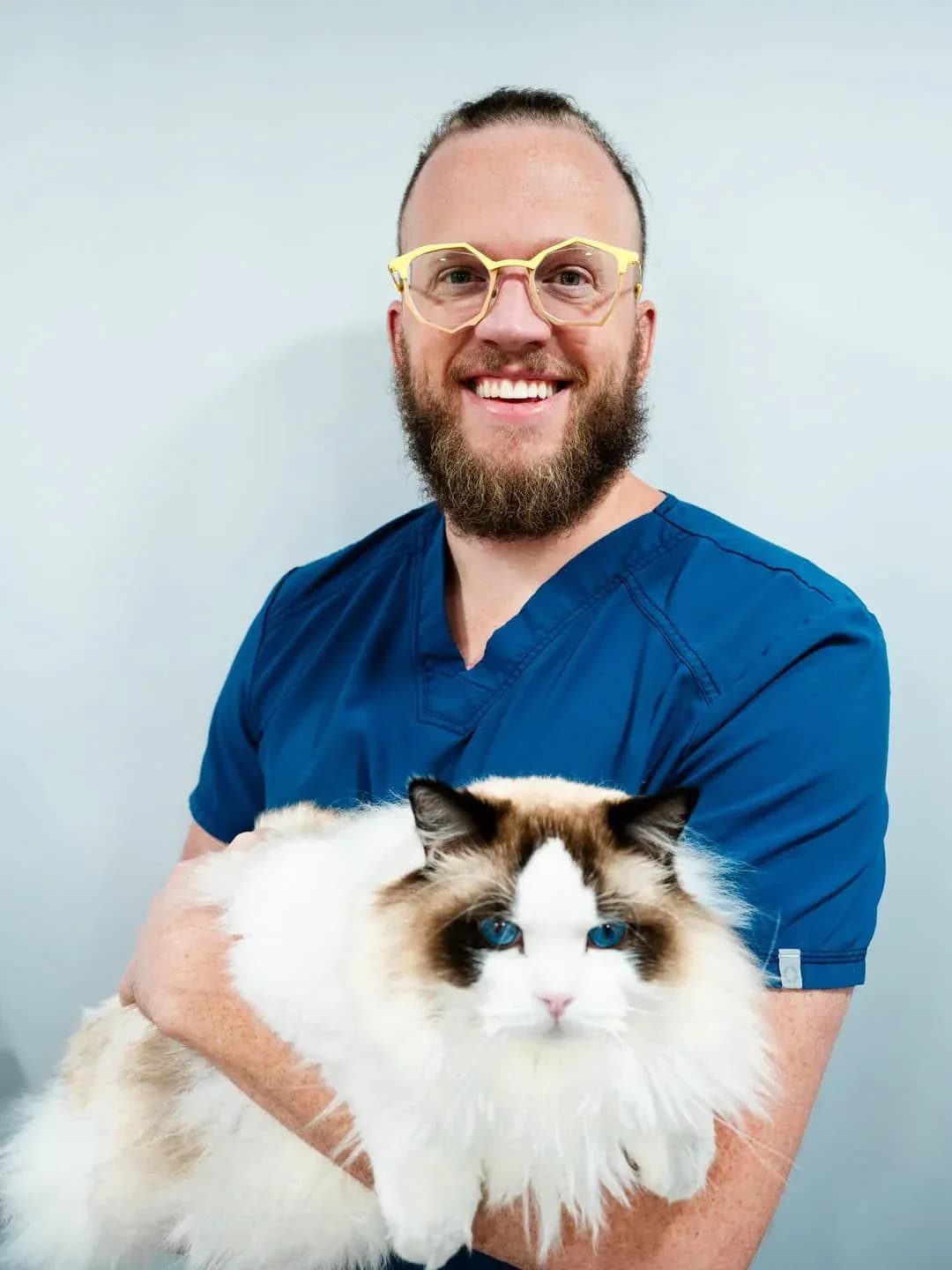
Ask A Vet articles are written by Dr Duncan Houston BVSc, a practising veterinarian, unless another author is named in the byline.