


By Dr Duncan Houston
Rabbit droppings are a useful daily health check. Their number, size and consistency can change when a rabbit eats less, develops pain or experiences digestive disturbance, sometimes before other signs are obvious.
Rabbits also produce two different types of material: the familiar dry faecal pellets and softer nutrient-rich caecotrophs that they normally eat directly. Knowing the difference helps you describe a problem accurately without dismissing genuine diarrhoea.
Quick Answer
Healthy rabbits usually pass many formed, round faecal pellets and consume their caecotrophs as part of normal digestion. Fewer or smaller pellets with reduced appetite need prompt veterinary advice. Watery diarrhoea, severe bloating, marked pain or collapse is urgent, and a dirty rear should also be checked for skin damage and flystrike.
Dry pellets and caecotrophs have different jobs
Ordinary faecal pellets are generally firm, dry and rounded, with visible fibrous material when broken apart. Their colour and size vary with diet and the individual rabbit. A change from that rabbit’s normal pattern is more useful than comparing with an exact online size guide.
Caecotrophs are softer, often shiny and clustered, and are normally taken directly from the anus. This recycling lets the rabbit recover nutrients produced through fermentation. The Merck rabbit nutrition review explains this specialised digestive process. Owners may rarely see normal caecotrophs because they are consumed immediately.
Why caecotrophs may be left behind
Occasional visible soft clusters are different from liquid stool. However, repeatedly finding uneaten caecotrophs or sticky material on the rear is a reason to review health and diet. A rabbit may be unable to reach its hindquarters because of obesity, arthritis or another painful condition. Dental problems and an unsuitable diet can also contribute.
A veterinary review of rabbit gastrointestinal disease discusses the distinction between abnormal caecotrophs and true diarrhoea. Treatment should address why the material is being left or produced abnormally. Cleaning alone does not solve the cause.
What different changes can mean
| Observation | Possible significance | Response |
|---|---|---|
| Usual dry pellets with normal eating | Reassuring daily pattern | Continue routine observation |
| Smaller or fewer pellets | Reduced intake or gut movement | Contact a vet promptly, particularly if appetite changes |
| Repeated uneaten soft clusters | Dietary, mobility or other health problem | Arrange a health and feeding review |
| Watery stool or liquid soiling | Potentially serious intestinal disease | Seek urgent veterinary care |
| No apparent output with pain or swelling | Possible obstruction or severe digestive dysfunction | Seek emergency assessment |
| Maggots or rapidly damaged skin around the rear | Flystrike | Contact an emergency vet immediately |
Hair, colour and misleading reassurance
Some pellets may be linked by swallowed hair during moulting. That does not prove there is a blockage, but it is a prompt to review grooming, hay intake and the overall stool pattern. Do not use pineapple juice, oils or a hairball product as a substitute for assessment when appetite or output falls.
A change in colour alone may follow a food change. Blood, mucus, repeated unusual stools or an unwell rabbit needs more attention. Passing some pellets does not guarantee that the digestive tract is functioning normally; output may lag behind a change in eating.
Emergency signs
The Merck owner guidance advises prompt care for appetite loss, fewer droppings and digestive upset. Call immediately for a rabbit with severe pain, a swollen abdomen, collapse, profound weakness or breathing difficulty. Watery diarrhoea can be particularly dangerous in young rabbits.
Check a soiled rear carefully without stressful restraint. The Royal Veterinary College identifies flystrike as potentially fatal. If you see maggots, seek emergency care rather than delaying for a bath or home treatment.
A practical plan when droppings change
- Check the rabbit’s actual appetite, activity and posture, including hay intake.
- Note the time of the last normal meal and usual droppings.
- Photograph the change and ask the clinic whether to bring a fresh sample.
- Provide the diet, medication and recent weight history, including any new food or possible foreign-material exposure.
- Follow the vet’s feeding and treatment plan, with monitoring of both intake and output after discharge.
Do not automatically syringe-feed a rabbit with marked bloating or suspected obstruction. Avoid human laxatives, anti-diarrhoeal medicines and leftover antibiotics. Some medications that are safe for other pets can be dangerous for rabbits.
Common mistakes
- Calling every soft cluster diarrhoea, or every wet patch harmless caecotrophs.
- Waiting until all droppings stop before asking for help.
- Withholding food to make stools firmer.
- Assuming a companion’s normal droppings belong to the affected rabbit.
- Ignoring recurrent rear-end soiling after cleaning it away.
Everyday prevention
Provide appropriate hay or grass, fresh water and a balanced ration with measured concentrated foods. PDSA’s feeding guidance is a useful basis for diet discussions. Make changes gradually, maintain comfortable activity and arrange dental checks. The RVC’s gut-stasis advice also emphasises recognising pain and supporting hydration.
Frequently asked questions
Should I stop my rabbit eating caecotrophs?
No. This is a normal and important part of rabbit digestion.
Does a rabbit with a dirty bottom just need a bath?
No. It needs assessment of the cause and safe cleaning advice. Extensive bathing can be stressful, and damaged skin or maggots need urgent care.
Can a rabbit still be seriously ill while eating treats?
Yes. A favourite treat does not demonstrate adequate food intake. Compare hay consumption, normal meals, behaviour and droppings.
Learning your rabbit’s normal pattern makes daily cleaning a useful health check. Act early when eating and droppings change together.
For help describing your rabbit’s droppings or preparing questions for the clinic, ASK A VET™ can support your next steps.
This article is general veterinary education and does not diagnose or treat an individual animal. Always confirm medication names, doses and interactions with the veterinarian who knows your pet.
If your animal is struggling to breathe, collapsed, bleeding heavily, seizing, or has eaten something toxic, contact your vet or the nearest emergency clinic now.
Animal Poisons Helpline (AU) 1300 869 738 · Animal Poisons Helpline (NZ) 0800 869 738 · ASPCA Animal Poison Control (US) (888) 426-4435
More from Ask A Vet
For everyday pet care, one scan or tap of the smart pet ID tag opens your pet's free profile on any phone, no app needed; the GPS pet tracker logs live location and activity trends; and the Ask A Vet app keeps your pet's records and routines together.
 QR Code Dog & Cat ID Tag with NFC, HangingView ID Tag
The ASK A VET™ Smart ID Tag is a QR scan or NFC tap on any phone, no app needed, with a free profile you can update anytime.
 Dog & Cat GPS Tracker for Their CollarView tracker
The ASK A VET™ Tracker logs live location and activity trends, so a change in routine never goes unnoticed.
 Talk to a Vet Online: The Ask A Vet AppExplore the app
Ask questions, speak with vets, and keep your pet's records and routines together with Ask A Vet.
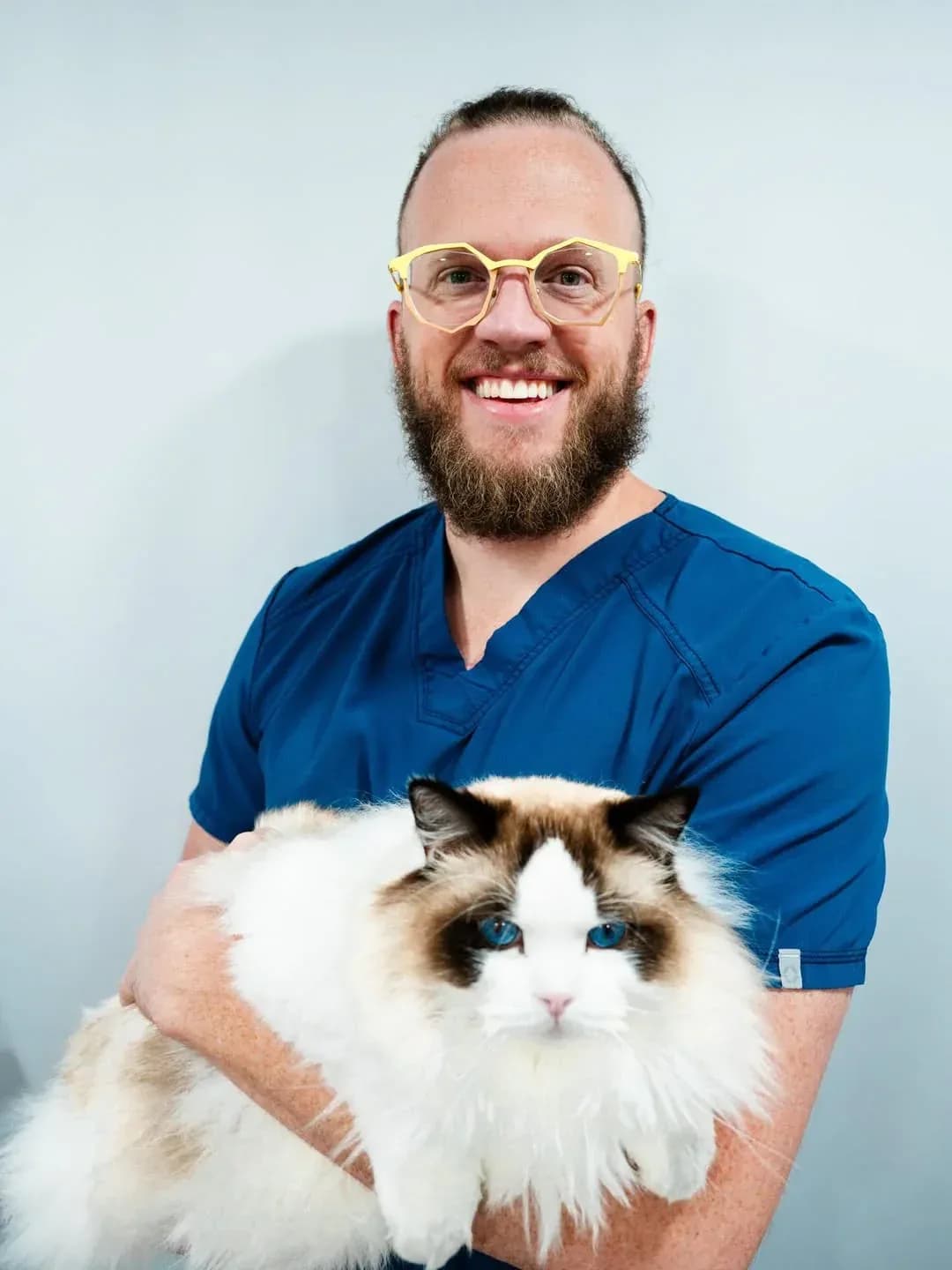
Ask A Vet articles are written by Dr Duncan Houston BVSc, a practising veterinarian, unless another author is named in the byline.