


🚨 Vet Emergency 2025: Bloat in Dogs — The Deadliest Condition You Need to Know About
Bloat, scientifically known as gastric dilatation-volvulus (GDV), isn’t just another emergency—it’s the most critical condition a dog can face, with life on the line within hours. I’m Dr Duncan Houston, and in this comprehensive 2025 guide, I’ll empower you with the knowledge to spot early warning signs, understand risk factors, and take swift action to save your dog’s life. 🐶
1. What is GDV?
In healthy dogs, the stomach stores and gradually empties food. In GDV, the stomach rapidly fills with gas and/or food—expanding like a balloon—and then often twists on its axis. This twisting:
- 🔒 Cuts off blood supply to the stomach and spleen
- 🚱 Blocks gas and fluid from escaping
- 🫀 Stops blood from returning to the heart, causing shock
If untreated, GDV is excruciatingly painful and fatal within hours.
2. Who's at Risk?
While any dog can bloat, certain traits significantly increase risk:
- ⚖️ Large or giant breeds (e.g., Great Danes, St. Bernards, Weimaraners)
- 🔻 Deep-chested body shape
- 🧓 Adults aged 7–12 years
- 🍽️ Dogs who are stress-eating, eating quickly, or exercising after meals
- 📋 Family history of bloat
Statistics show: Bret risks are high—Great Danes suffer a 42% lifetime risk of GDV.
3. Symptoms You Can’t Ignore
- 🐾 Sudden abdominal swelling
- 🫃 Unsuccessful attempts to vomit (often dry heaving)
- 🤒 Pain: panting, pacing, whining, or guarding belly
- 🩺 Rapid heartbeat, pale gums, collapse
Time is critical—if you see any of these, rush your dog to veterinary care immediately.
4. What Happens at the Vet?
4.1 Immediate Stabilization
- 💉 Decompression: releasing trapped gas via tube or surgery
- 🚰 Emergency IV fluids to treat shock
- ❤️ Cardiac monitoring for dangerous arrhythmias (PVCs)
4.2 Emergency Surgery (Gastropexy)
Surgery is crucial to untwist the stomach and assess for dead tissue. Surgeons often perform gastropexy—suturing the stomach to prevent future twists.
- 🩸 Risk increases if stomach or spleen tissues have died
- 🛠️ Spleen may need removal if twisted
5. Survival Stats You Need to Know
| Scenario | Survival Chance |
|---|---|
| Stabilization + surgery (no necrosis) | ≈ 71% |
| Stabilization + surgery (with tissue removal) | ≈ 60–60% |
| Only decompression, no surgery | ≈ 24% |
Without surgery, recurrence is likely—76% risk for a second GDV. With preventive gastropexy, risk drops to 6%.
6. Preventing a Repeat Episode
Gastropexy is recommended for at-risk breeds during neutering/spaying or after a GDV incident. It secures the stomach and drastically reduces recurrence. Healthy lifestyle choices—feeding smaller meals and avoiding exercise post-meal—also help.
7. Feeding & Lifestyle Tips
- 🥣 Serve 2+ small meals daily
- ⏸️ Avoid vigorous activity for at least an hour after meals
- 🦷 Use food puzzles or slower feeders to prevent gulping
- 🏠 Feed at ground level to slow intake
8. Real-Life Case Study
A 9-year-old Great Dane presented with vomiting and distended abdomen after dinner and running. In under 2 hours at the ER, she underwent lifesaving surgery. Thanks to rapid intervention and gastropexy, she recovered fully—and remained twist-free for life.
9. Ask A Vet: Immediate Support at Your Fingertips
Unsure if your dog is bloating? Noticing suspicious signs late at night? Connect with Ask A Vet—our app lets you get real-time vet advice, including what to do en route to the clinic. 📲🐶
10. Quick GDV Checklist
| Signs | Swollen belly, repeated dry retching, pain, pale gums, collapse |
|---|---|
| Immediate Actions | Don’t wait—go to emergency vet! |
| Prevention | Gastropexy, multiple small meals, no post-meal exercise |
11. Final Words
GDV kills fast—but it’s preventable and treatable when caught early. Stay alert for symptoms, know where to go in an emergency, and discuss preventive gastropexy if your dog is in the high-risk group. With vigilance and prompt care, we can turn what seems like a death sentence into a survival story. 🐾
— Dr Duncan Houston BVSc
Need rapid guidance? Visit AskAVet.com or download the Ask A Vet app. We’re here, day or night, when seconds matter. ⏰💙
This article is general veterinary education and does not diagnose or treat an individual animal. Always confirm medication names, doses and interactions with the veterinarian who knows your pet.
If your animal is struggling to breathe, collapsed, bleeding heavily, seizing, or has eaten something toxic, contact your vet or the nearest emergency clinic now.
Animal Poisons Helpline (AU) 1300 869 738 · Animal Poisons Helpline (NZ) 0800 869 738 · ASPCA Animal Poison Control (US) (888) 426-4435
More from Ask A Vet
For everyday pet care, one scan or tap of the smart pet ID tag opens your pet's free profile on any phone, no app needed; the GPS pet tracker logs live location and activity trends; and the Ask A Vet app keeps your pet's records and routines together.
 QR Code Dog & Cat ID Tag with NFC, HangingView ID Tag
The ASK A VET™ Smart ID Tag is a QR scan or NFC tap on any phone, no app needed, with a free profile you can update anytime.
 Dog & Cat GPS Tracker for Their CollarView tracker
The ASK A VET™ Tracker logs live location and activity trends, so a change in routine never goes unnoticed.
 Talk to a Vet Online: The Ask A Vet AppExplore the app
Ask questions, speak with vets, and keep your pet's records and routines together with Ask A Vet.
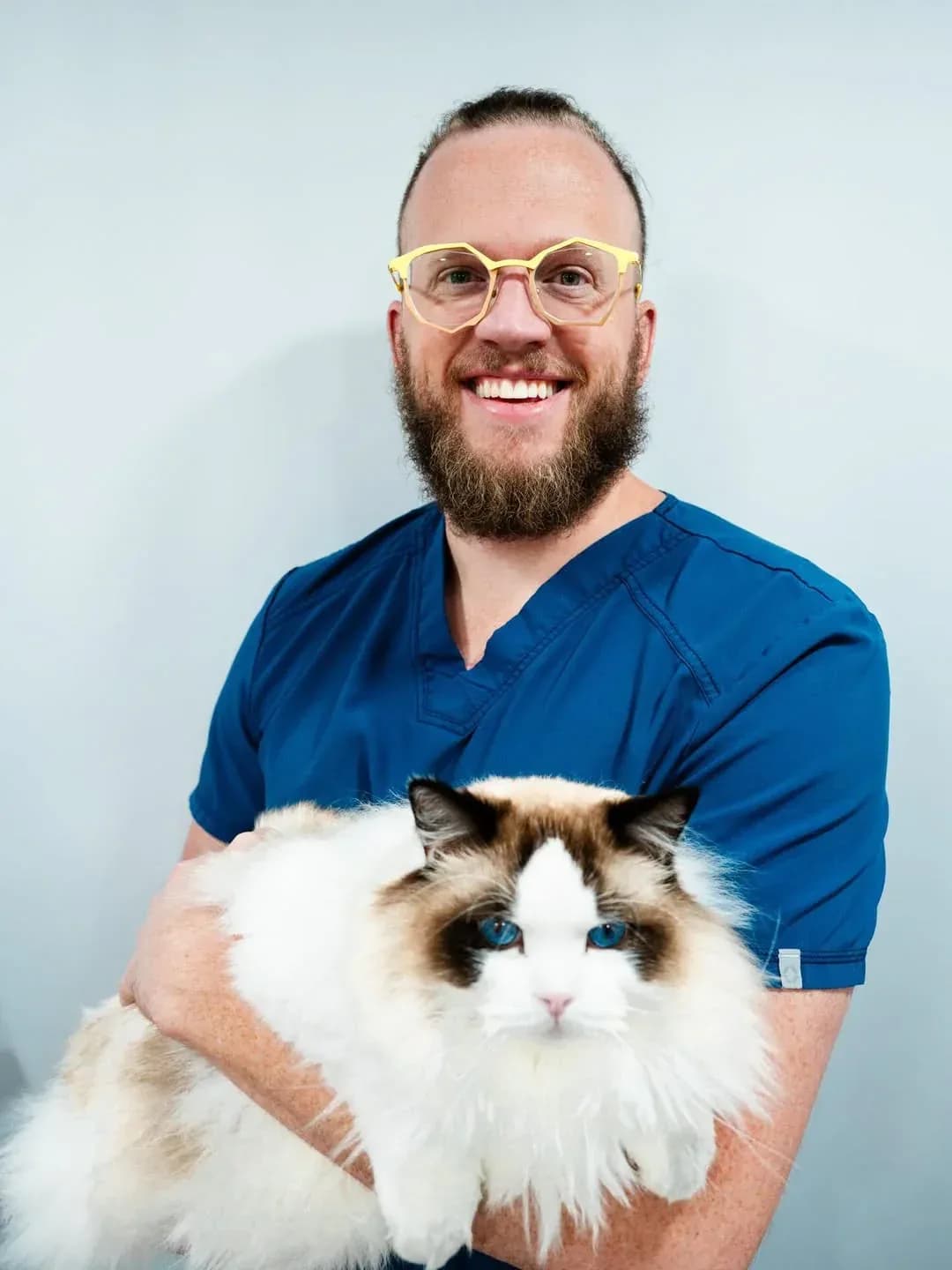
Ask A Vet articles are written by Dr Duncan Houston BVSc, a practising veterinarian, unless another author is named in the byline.